Smart Homes: The Future of Connected Living
Smart Homes: The Future of Connected Living
The concept of the smart home has rapidly evolved from science fiction into an accessible reality. As advancements in technology continue to accelerate, the idea of connected living—where every appliance, device, and system in our homes is seamlessly integrated through the Internet of Things (IoT)—is no longer just a futuristic dream. Smart homes are changing the way we live, offering convenience, security, energy efficiency, and enhanced comfort. With AI-driven innovations, smart homes are poised to redefine modern living and push the boundaries of what is possible in domestic environments.
What is a Smart Home?
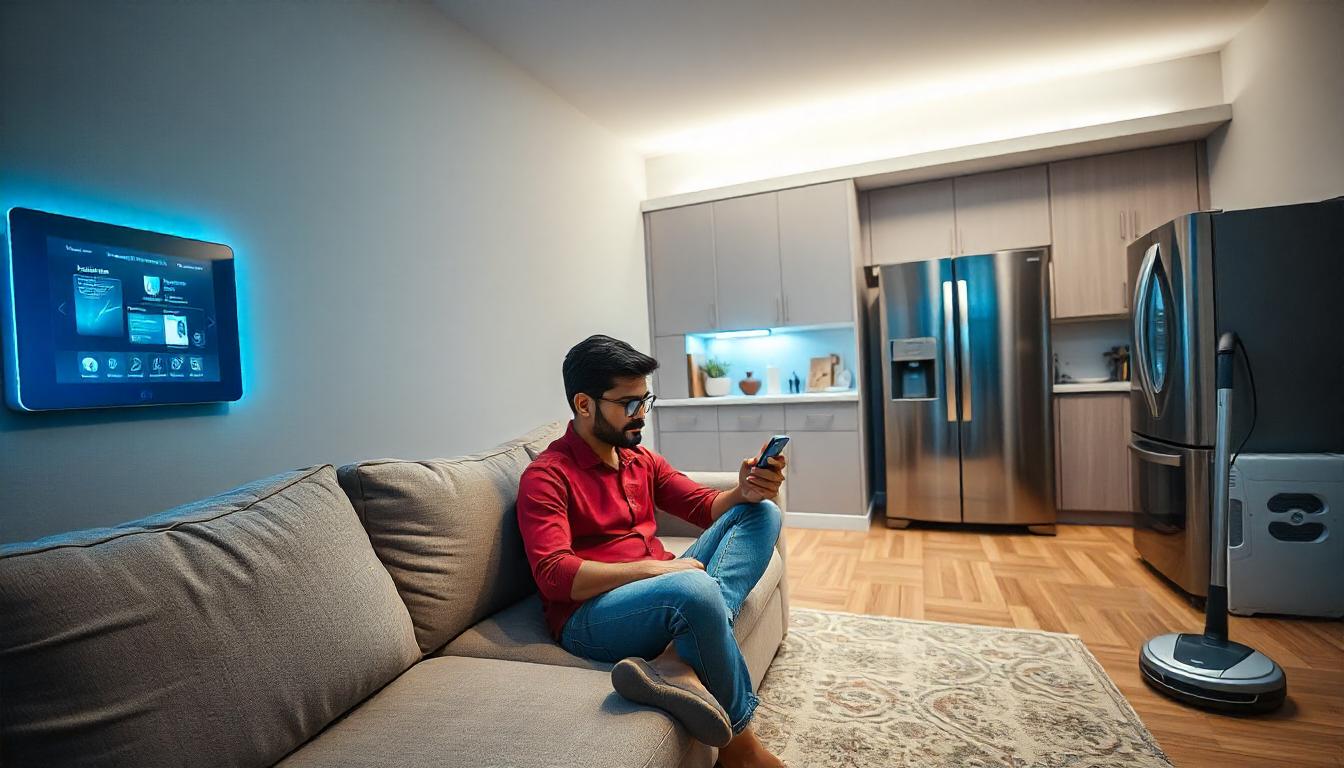
A smart home is a residence equipped with devices that automate tasks and allow remote control through a smartphone, tablet, or voice assistant. These devices can range from smart thermostats and lighting systems to security cameras, appliances, and entertainment systems. The hallmark of smart homes is their ability to connect to the internet and communicate with each other through a centralized hub or cloud-based platforms, making it easier for homeowners to manage and optimize household functions.
At the core of the smart home ecosystem is the Internet of Things (IoT), a network of physical objects embedded with sensors, software, and other technologies. These devices collect and exchange data to create a cohesive and personalized living experience. As AI becomes increasingly integrated into these systems, smart homes are evolving to anticipate and adapt to the needs of their residents, enhancing comfort and convenience in unprecedented ways.
Key Features of Smart Homes
The foundation of a smart home lies in its ability to automate and optimize various aspects of household management. Here are some key features of smart homes that are driving their popularity and adoption:
- Automation and Remote Control
One of the most attractive features of smart homes is the ability to automate routine tasks. For example, smart thermostats like Nest or Ecobee can learn a homeowner’s daily habits and adjust the temperature accordingly, saving energy and creating a more comfortable living environment. Smart lighting systems can be programmed to turn on or off at specific times, dim based on the time of day, or even change color to set the mood.
In addition to automation, smart homes allow for remote control via smartphones or voice assistants like Amazon Alexa, Google Assistant, or Apple’s Siri. Whether it’s adjusting the thermostat while at work, turning off the lights after leaving the house, or even starting the coffee maker from bed, the ability to control home systems from anywhere offers unparalleled convenience.
- Enhanced Security
Home security has seen significant improvements with the introduction of smart technology. Smart locks, video doorbells, and security cameras can be monitored and controlled remotely, giving homeowners peace of mind. For example, devices like the Ring doorbell provide real-time video feeds of anyone approaching the front door, and smart locks allow users to lock or unlock doors from anywhere using their phone.
Some smart home security systems go even further, integrating motion sensors, facial recognition, and AI to provide more advanced protection. These systems can alert homeowners to unusual activity, trigger alarms, or even contact emergency services automatically. The integration of AI in these systems allows them to learn patterns of activity around the house and differentiate between routine movements and potential security threats.
- Energy Efficiency
One of the significant benefits of smart home technology is its potential for energy savings. Smart thermostats, lighting systems, and appliances are designed to optimize energy usage based on the homeowner’s schedule and preferences. For instance, a smart thermostat can lower the temperature when no one is home and raise it before occupants return, reducing unnecessary energy consumption.
Smart lighting systems, such as Philips Hue, can be set to turn off automatically when no one is in the room, while smart power strips can cut power to devices that aren’t in use. Many smart home systems provide detailed reports on energy usage, allowing homeowners to make informed decisions about their consumption and further reduce their energy bills.
- Home Entertainment
The integration of smart technology into home entertainment has also transformed the way we consume media. Smart TVs, streaming devices, and audio systems can be controlled through voice commands or apps, providing seamless access to entertainment content. Platforms like Netflix, Amazon Prime, and Spotify can be integrated with smart speakers, allowing users to stream movies, music, and shows with a simple voice command.
Moreover, smart home systems can create personalized experiences. For example, multi-room audio setups allow different music to play in different rooms, or the same song to play throughout the house. Smart lighting systems can also be synchronized with entertainment devices to change the mood or ambience based on the content being played.
- Health and Wellness
Smart homes are increasingly focusing on health and wellness, with the introduction of devices that monitor and improve indoor air quality, track sleep patterns, and even assist with physical fitness. Air purifiers and smart ventilation systems can monitor air quality and automatically adjust to ensure a healthier living environment. Smart mattresses and sleep trackers can analyze sleep patterns and provide recommendations for improving rest.
Additionally, smart fitness equipment, such as Peloton bikes or smart mirrors like Mirror, allow for interactive workouts, bringing professional trainers and fitness classes directly into the home. These devices can track fitness goals, provide real-time feedback, and even offer personalized workout recommendations based on user data.
AI and Machine Learning in Smart Homes
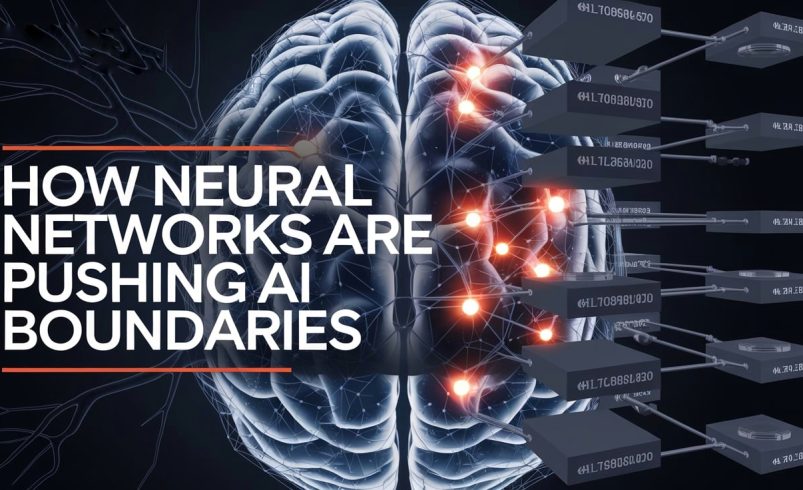
Artificial Intelligence (AI) and Machine Learning (ML) are playing an increasingly prominent role in the development of smart homes. AI enables devices to learn from user behavior, adapt to preferences, and anticipate needs. This is perhaps best exemplified by smart thermostats, which can analyze usage patterns and automatically adjust settings to maximize comfort and efficiency.
Voice assistants like Alexa, Google Assistant, and Siri are powered by AI, allowing them to understand natural language commands, provide answers to questions, and control other smart devices. Over time, these systems learn from interactions, becoming more accurate and responsive to the user’s preferences.
As machine learning algorithms continue to advance, smart homes will become even more intuitive and personalized. For example, future smart homes may be able to predict when appliances need maintenance, recommend energy-saving measures, or even detect health issues based on biometric data collected by wearable devices and other sensors in the home.
The Future of Smart Homes
The future of smart homes looks incredibly promising, with ongoing advancements in AI, IoT, and connectivity set to push the boundaries of what is possible. Here are some trends that will shape the future of connected living:
- Interoperability and Standardization
One of the challenges facing smart homes today is the lack of interoperability between different devices and platforms. As the industry matures, we can expect greater efforts toward standardization, ensuring that devices from different manufacturers can seamlessly work together. Initiatives like Matter, an industry-wide standard for smart home devices, are already working toward this goal.
- 5G Connectivity
The rollout of 5G technology promises to revolutionize smart homes by enabling faster, more reliable internet connections. This will allow smart devices to communicate with each other more efficiently and enable real-time control of household systems. With 5G, smart homes will be able to handle more devices simultaneously and offer improved performance, particularly for tasks that require high bandwidth, such as streaming video and gaming.
- Increased AI Integration
As AI continues to evolve, we can expect smart homes to become even more intelligent and responsive. Future AI systems will be capable of more advanced decision-making, predictive maintenance, and personalization. Homes will be able to anticipate needs and automatically adjust to optimize energy consumption, security, and comfort.
- Sustainability and Green Living
With growing awareness of environmental issues, smart homes will play a key role in promoting sustainability. Future homes will likely integrate renewable energy sources, such as solar panels, with AI-driven energy management systems that optimize usage. Smart appliances and systems will become even more energy-efficient, helping homeowners reduce their carbon footprint and live more sustainably.
Conclusion
Smart homes represent the future of connected living, where technology enhances every aspect of daily life, from security and convenience to energy efficiency and entertainment. As AI and IoT technologies continue to evolve, the potential for smart homes to create personalized, sustainable, and seamless living experiences will only grow. In the coming years, smart homes will not only improve comfort and convenience but will also play a crucial role in addressing global challenges like energy efficiency and environmental sustainability, making connected living an essential part of our future.