

The Impact of Renewable Energy Storage Solutions in 2025
The Impact of Renewable Energy Storage Solutions in 2025
By 2025, renewable energy storage solutions have become pivotal in supporting the global transition to sustainable energy systems. As the world embraces solar, wind, and other renewable energy sources, the demand for effective energy storage technologies has surged. These storage solutions enable the capture and storage of renewable energy for use when generation is low, ensuring a steady, reliable power supply and addressing the intermittency issues that have traditionally hindered renewable energy adoption. Innovations in battery technology, grid-scale storage, and other advanced storage solutions are accelerating the shift toward a resilient, low-carbon energy future.
This article explores the impact of renewable energy storage solutions in 2025, examining key advancements, their applications, and the benefits and challenges of widespread storage adoption.
Why Renewable Energy Storage Is Crucial
Renewable energy sources, such as solar and wind, are inherently variable and intermittent—they only generate power when the sun shines or the wind blows. To ensure a continuous energy supply, effective storage systems are needed to capture excess energy when production is high and release it when demand peaks or renewable generation drops. Renewable energy storage is essential for:
- Grid Stability: Balancing supply and demand on the grid to prevent blackouts and ensure reliability.
- Energy Security: Reducing reliance on fossil fuels by providing a stable renewable energy supply, even during low generation periods.
- Decarbonization: Enabling more renewable energy to be integrated into the grid, reducing greenhouse gas emissions and supporting climate goals.
Advancements in renewable energy storage technologies are making it possible to achieve these goals, providing scalable and efficient solutions to store clean energy.
Key Advancements in Renewable Energy Storage Solutions in 2025
Several transformative advancements have occurred in renewable energy storage by 2025, making these solutions more efficient, affordable, and adaptable.
1. Breakthroughs in Battery Technology
Battery technology has made significant strides, with lithium-ion batteries still dominant but augmented by new chemistries and materials that enhance performance.
- Solid-State Batteries: Solid-state batteries use solid electrolytes instead of liquid ones, increasing energy density and reducing the risk of overheating or fire. These batteries offer longer lifespans and faster charging times, making them ideal for both grid storage and electric vehicles (EVs).
- Lithium-Iron Phosphate (LFP) Batteries: LFP batteries are popular due to their lower cost, longer lifespan, and stability. They are being widely adopted for grid storage because they provide a safer and more durable alternative to traditional lithium-ion batteries.
- Sodium-Ion and Zinc-Based Batteries: These battery chemistries are emerging as cost-effective alternatives to lithium-based batteries, reducing dependency on rare minerals. Sodium-ion and zinc-based batteries are suitable for large-scale storage due to their low cost, abundance, and ability to operate under extreme temperatures.
The diversification of battery chemistries in 2025 is making renewable energy storage more accessible and scalable, reducing costs and enhancing grid resilience.
2. Grid-Scale Storage Solutions and Energy Management
Grid-scale storage is essential for balancing supply and demand, especially as renewable energy penetration increases. In 2025, advancements in grid-scale storage include not only batteries but also technologies that enable long-duration storage.
- Flow Batteries: Flow batteries use liquid electrolytes stored in external tanks, allowing for larger storage capacity and extended discharge times. These batteries are ideal for grid-scale applications, providing long-duration storage to support renewable energy integration.
- Pumped Hydroelectric Storage: While not new, pumped hydro storage remains one of the most effective ways to store energy at scale. Advances in smaller, modular pumped hydro systems are making this technology more versatile and suitable for diverse geographic locations.
- Compressed Air Energy Storage (CAES): CAES systems store energy by compressing air in underground caverns, releasing it to generate electricity when needed. Improvements in efficiency and storage capacity have made CAES an attractive option for grid operators, especially in areas with abundant underground storage options.
These grid-scale storage solutions enable utilities to store energy for extended periods, ensuring that renewable energy can reliably meet demand during peak times.
3. Distributed Energy Storage and Virtual Power Plants
Distributed energy storage allows individual users, such as homeowners and businesses, to store renewable energy on-site and contribute to grid stability. In 2025, distributed storage systems can be aggregated into Virtual Power Plants (VPPs), which pool stored energy from numerous sources to provide grid services.
- Residential and Commercial Battery Storage: Home and business owners with solar panels are increasingly installing battery systems to store excess energy, allowing them to reduce reliance on the grid and participate in demand response programs.
- Virtual Power Plants (VPPs): VPPs aggregate distributed storage systems, creating a network of stored energy that can be dispatched to the grid as needed. VPPs provide grid services, such as frequency regulation and peak shaving, enabling greater integration of renewable energy and reducing the need for fossil fuel-based backup power.
Distributed energy storage and VPPs create a more resilient and flexible grid, empowering consumers to participate in energy markets and contribute to grid stability.
4. Hydrogen Storage for Long-Duration and Seasonal Storage
Hydrogen is emerging as a versatile energy carrier that enables long-duration storage, particularly for seasonal energy needs. Excess renewable energy can be used to produce “green hydrogen” through electrolysis, which splits water into hydrogen and oxygen.
- Green Hydrogen Production: By using renewable energy to produce hydrogen, utilities can store energy in the form of hydrogen gas and use it for electricity generation, industrial applications, or fuel for transportation. Green hydrogen is ideal for applications that require long-duration storage, such as powering the grid during prolonged periods of low renewable generation.
- Hydrogen Fuel Cells: Hydrogen fuel cells convert stored hydrogen back into electricity, providing a zero-emission solution for grid support, backup power, and transportation. Fuel cells are highly efficient and capable of delivering power on demand, making them suitable for both grid-scale and distributed energy storage.
Hydrogen storage solutions are critical for balancing seasonal energy variations, enabling greater renewable energy penetration and contributing to a cleaner energy system.
5. Advanced Energy Management Systems and AI-Driven Optimization
In 2025, energy management systems powered by artificial intelligence (AI) and machine learning optimize renewable energy storage, ensuring efficient utilization of resources.
- AI-Powered Energy Forecasting: AI algorithms analyze historical and real-time data to forecast energy production, demand, and storage needs. Accurate predictions help utilities and storage operators plan storage discharge schedules and optimize energy flows, reducing waste and costs.
- Real-Time Optimization and Automation: Energy management systems automate the dispatch of stored energy based on real-time grid conditions, maximizing the efficiency and economic value of storage assets.
- Demand Response Integration: AI-driven systems coordinate energy storage with demand response programs, ensuring stored energy is released when demand peaks, helping reduce stress on the grid and lowering costs.
Advanced energy management systems enable precise control and automation of storage assets, making renewable energy storage solutions more efficient and responsive to grid needs.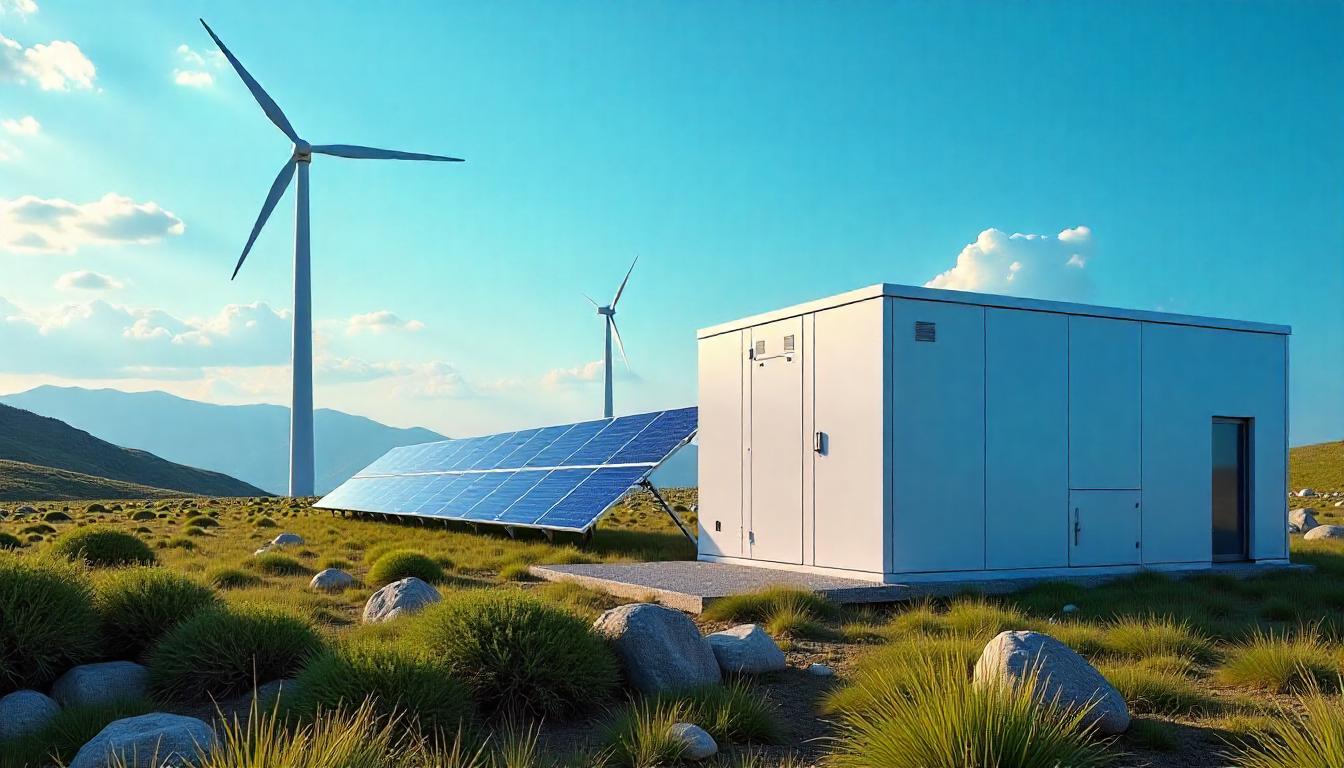
Applications of Renewable Energy Storage Solutions
Renewable energy storage solutions are being deployed across various sectors in 2025, creating a more sustainable and resilient energy landscape.
1. Residential and Commercial Solar Energy Storage
Battery storage has become a common feature in residential and commercial solar installations, allowing homeowners and businesses to store solar energy for use during cloudy days, at night, or during power outages.
- Self-Consumption Optimization: By storing excess solar energy, users can reduce their reliance on the grid, lowering electricity costs and contributing to grid stability.
- Backup Power: Battery storage provides backup power during grid outages, increasing energy security for homes and businesses, especially in areas prone to power disruptions.
Residential and commercial storage enables greater adoption of solar energy and reduces peak demand on the grid, promoting grid stability and energy resilience.
2. Industrial Applications and Microgrids
Industries with high energy demands are using renewable energy storage solutions to reduce operating costs and improve energy resilience.
- Peak Demand Management: Industries with high electricity needs can store energy during low-cost periods and use it during peak demand hours, reducing their electricity bills and decreasing the burden on the grid.
- Microgrid Support: Microgrids, which are localized energy networks, rely on storage systems to integrate renewable energy sources and ensure reliable power in remote or off-grid locations.
Energy storage is essential for industrial energy management and microgrid operations, providing economic and environmental benefits while increasing energy security.
3. Electric Vehicle Integration
Electric vehicles (EVs) and their associated battery storage are becoming integral components of the renewable energy ecosystem. EVs can be used as mobile energy storage units, helping to balance supply and demand on the grid.
- Vehicle-to-Grid (V2G) Technology: V2G technology allows EVs to return stored energy to the grid, helping to stabilize the grid during peak demand and emergencies.
- Decentralized Storage Solutions: As EV adoption grows, their batteries will become increasingly important for decentralized energy storage, enabling bidirectional energy flow between vehicles, homes, and the grid.
EVs are becoming a key part of the renewable energy storage network, contributing to grid stability and reducing the reliance on centralized power plants.
Challenges and Future Outlook
While renewable energy storage technologies are making great strides, challenges remain in their widespread adoption.
- High Costs: Despite recent cost reductions, large-scale storage systems remain expensive, particularly advanced battery technologies. However, economies of scale and technological advancements are expected to reduce costs further in the coming years.
- Energy Density: Current storage technologies still face limitations in energy density, meaning that large-scale storage facilities require substantial space. Researchers are working on developing more compact and efficient storage solutions.
- Grid Integration: Integrating renewable energy storage into existing grids requires significant upgrades to infrastructure, including advanced grid management systems and improved interconnection between storage assets and grid operators.
Despite these challenges, the future of renewable energy storage looks promising. Continued investment in research and development, combined with supportive policies and market incentives, will accelerate the adoption of these technologies and pave the way for a cleaner, more sustainable energy future.
Conclusion
In 2025, renewable energy storage solutions have become a cornerstone of the global energy transition. Advances in battery technologies, grid-scale storage, hydrogen storage, and energy management systems are enabling the integration of more renewable energy into the grid, supporting decarbonization efforts, and ensuring reliable power supply. While challenges remain, the future of energy storage is bright, with continued innovation and scaling poised to transform the energy landscape and contribute to a more sustainable, resilient future.

