AI-Powered Chatbots: Revolutionizing Customer Support
AI-Powered Chatbots: Revolutionizing Customer Support
In today’s fast-paced digital landscape, customer expectations are higher than ever before. With the proliferation of online shopping, social media, and on-demand services, customers now expect instant and personalized responses to their queries and problems. Traditional customer support models, reliant on human agents, often struggle to meet these demands due to high volumes of inquiries, limited availability, and the costs associated with scaling support teams. Enter AI-powered chatbots, a transformative technology that is revolutionizing customer support by providing fast, efficient, and personalized assistance around the clock.
AI-powered chatbots are changing the way businesses interact with their customers, providing instant responses, automating repetitive tasks, and improving customer satisfaction. In this article, we’ll explore how AI chatbots work, their impact on customer support, and the benefits they offer to both businesses and customers. Additionally, we’ll look at the challenges associated with implementing chatbots and the future of AI-powered customer support.
What Are AI-Powered Chatbots?
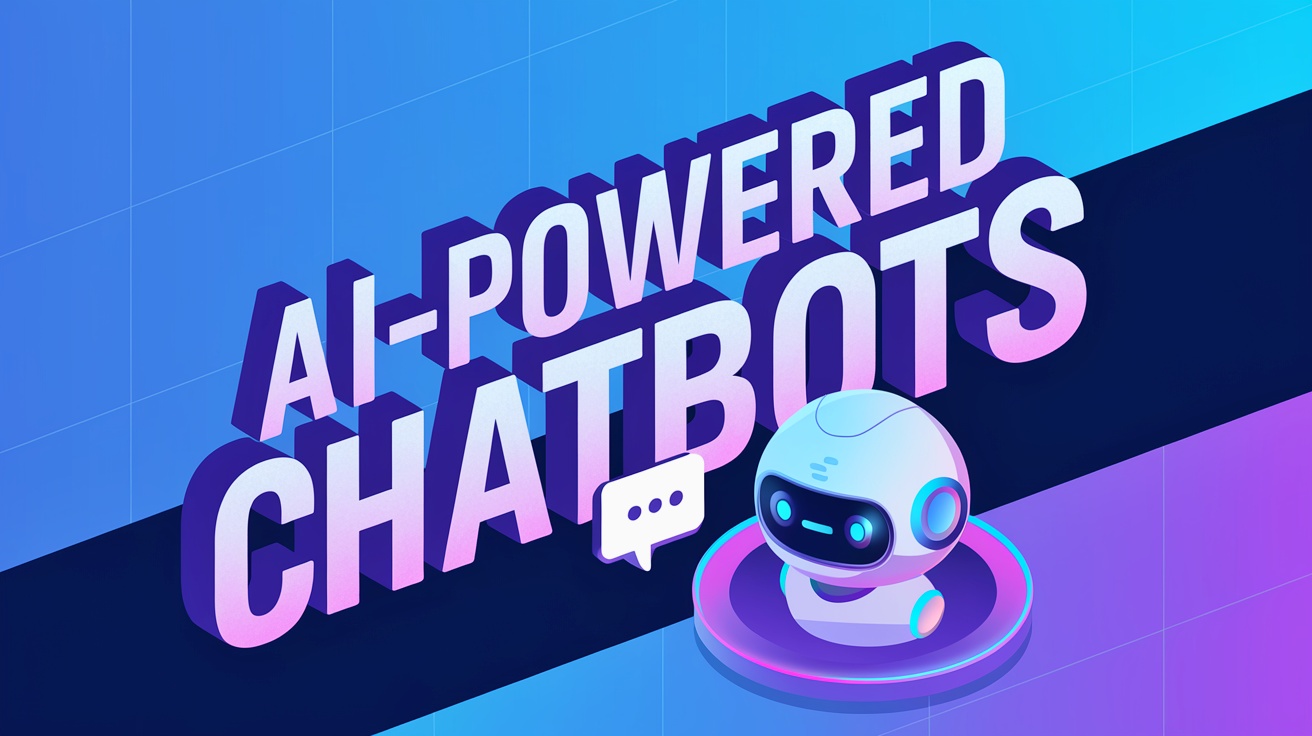
AI-powered chatbots are software programs that use artificial intelligence (AI) and natural language processing (NLP) to understand and respond to human language. These chatbots simulate human conversation by interpreting customer queries, providing relevant answers, and performing specific tasks such as booking appointments, answering FAQs, or troubleshooting issues.
Unlike traditional rule-based chatbots that rely on pre-defined scripts and keywords, AI-powered chatbots can learn from interactions, improve over time, and handle complex queries by understanding context and intent. They are typically integrated into websites, mobile apps, social media platforms, or messaging apps like WhatsApp and Facebook Messenger, enabling businesses to engage with customers across multiple touchpoints.
There are two main types of AI-powered chatbots:
- Task-Oriented Chatbots: These chatbots are designed to perform specific tasks, such as answering customer inquiries, processing orders, or helping users navigate a website. They use simple conversational flows to guide users to a resolution quickly and efficiently.
- Conversational AI Chatbots: These chatbots are more advanced and capable of handling complex, multi-turn conversations. They leverage machine learning and NLP to understand user intent, learn from interactions, and provide more personalized responses. Examples include virtual assistants like Google Assistant, Amazon’s Alexa, and Apple’s Siri.
How AI-Powered Chatbots Work
AI-powered chatbots use a combination of machine learning, natural language processing, and data analytics to understand and respond to customer inquiries. Here’s a breakdown of how these chatbots work:
- Natural Language Processing (NLP): At the heart of AI chatbots is Natural Language Processing (NLP), a branch of AI that enables machines to understand, interpret, and generate human language. NLP allows chatbots to recognize the intent behind a customer’s message, even if the query is phrased in different ways or contains slang or typos. By analyzing the structure and meaning of the user’s input, NLP helps chatbots understand what the customer is asking and provide relevant responses.
- Machine Learning: Machine learning (ML) enables AI chatbots to learn from past interactions and improve over time. When a chatbot handles customer queries, it can use machine learning algorithms to analyze customer behavior, identify patterns, and predict the best responses to future inquiries. Over time, this allows the chatbot to become more accurate and efficient in resolving customer issues.
- Context Awareness: Advanced AI-powered chatbots have the ability to maintain context throughout a conversation, which means they can handle complex, multi-step interactions. For example, if a customer asks about a product, adds it to their cart, and then asks about delivery options, the chatbot can follow the conversation, remembering the context and providing relevant information without needing to restart.
- Integrations with Backend Systems: AI chatbots can be integrated with a company’s existing systems, such as CRM (Customer Relationship Management), inventory databases, and order management systems. This enables chatbots to access real-time information about a customer’s order status, product availability, or account details, allowing them to provide personalized and accurate responses.

The Impact of AI-Powered Chatbots on Customer Support
AI-powered chatbots are revolutionizing the way businesses provide customer support by offering significant improvements in speed, availability, scalability, and personalization. Here are some key ways AI chatbots are transforming customer service:
- 24/7 Availability: One of the biggest advantages of AI-powered chatbots is their ability to provide 24/7 customer support. Unlike human agents, who have limited working hours, chatbots are available around the clock, ensuring that customers can get help whenever they need it, even outside of business hours.
- Instant Responses: In today’s digital world, customers expect instant responses to their queries. AI-powered chatbots can process and respond to inquiries in real-time, providing immediate assistance without delays.
- Personalized Customer Experiences: AI-powered chatbots can provide personalized customer support by accessing and analyzing customer data. By integrating with CRM systems and other databases, chatbots can retrieve information about a customer’s previous interactions, purchase history, preferences, and account details.
- Handling Repetitive Tasks: Customer support teams often face a large number of repetitive inquiries. AI-powered chatbots can take over these repetitive tasks, freeing up human agents to focus on more complex and high-value customer interactions.
- Improved Customer Engagement: AI-powered chatbots can engage with customers across various platforms, including websites, social media, messaging apps, and mobile apps. This omnichannel approach allows businesses to reach customers where they are most active.
- Multilingual Support: For global businesses, providing customer support in multiple languages can be a challenge. AI-powered chatbots can be trained to understand and respond in multiple languages, enabling businesses to provide seamless customer service.
Benefits of AI-Powered Chatbots for Businesses
AI-powered chatbots offer numerous benefits to businesses, making them an essential tool for modern customer support operations. Some of the key benefits include:
- Cost Efficiency: AI chatbots significantly reduce operational costs by automating routine tasks and handling a large volume of inquiries without the need for additional staff.
- Scalability: As businesses grow and customer inquiries increase, scaling human-based customer support can be expensive and challenging. AI-powered chatbots provide scalability by handling a virtually unlimited number of customer interactions simultaneously.
- Consistent Support: AI chatbots provide consistent support by delivering the same high-quality responses to all customers.
- Data Collection and Insights: AI-powered chatbots collect valuable data from customer interactions, such as frequently asked questions and customer preferences.
- Faster Resolution Times: Chatbots can instantly provide answers to customer queries, speeding up the resolution process.
Challenges of AI-Powered Chatbots
While AI-powered chatbots offer numerous benefits, they also come with challenges that businesses must address:
- Limitations in Handling Complex Queries: While AI chatbots are excellent at handling routine and simple tasks, they may struggle with complex or ambiguous queries.
- Data Privacy and Security: AI-powered chatbots handle sensitive customer information. Ensuring data privacy and implementing robust security measures is critical.
- Maintaining a Human Touch: Despite the efficiency of chatbots, some customers still prefer the personal touch of interacting with a human agent.
The Future of AI-Powered Customer Support
The future of AI-powered chatbots in customer support looks promising, with ongoing advancements in AI, NLP, and machine learning. We can expect to see even more intelligent chatbots capable of handling complex, multi-turn conversations and providing hyper-personalized experiences.
Conclusion
AI-powered chatbots are revolutionizing customer support by providing fast, efficient, and personalized service around the clock. With their ability to handle large volumes of inquiries, automate repetitive tasks, and deliver instant responses, chatbots are transforming how businesses interact with their customers.