Biometrics: Are Fingerprints and Face Recognition the Future of Security?
Biometrics: Are Fingerprints and Face Recognition the Future of Security?
Biometric technology is becoming an integral part of modern security systems. As we move towards more sophisticated and secure forms of identity verification, fingerprints and facial recognition are emerging as the frontrunners in this technological revolution. But what makes these methods so appealing, and are they truly the future of security? Let’s explore the advantages, potential risks, and the future implications of these biometrics technologies.
The Rise of Biometric Security
Traditionally, security systems relied on physical tokens (like keys or ID cards) and knowledge-based factors (like passwords or PINs). However, as cyberattacks become more sophisticated and hacking techniques evolve, these traditional methods have shown significant vulnerabilities. Biometric technologies promise to enhance security by leveraging unique biological traits that are hard to replicate.
Fingerprints and facial recognition stand out due to their widespread use and technical maturity. Both have already made their way into consumer electronics, with smartphones and laptops integrating these features for easy and secure access. Beyond consumer tech, these methods are being increasingly adopted by government agencies, financial institutions, and enterprises.
Fingerprint Recognition: A Reliable Biometric
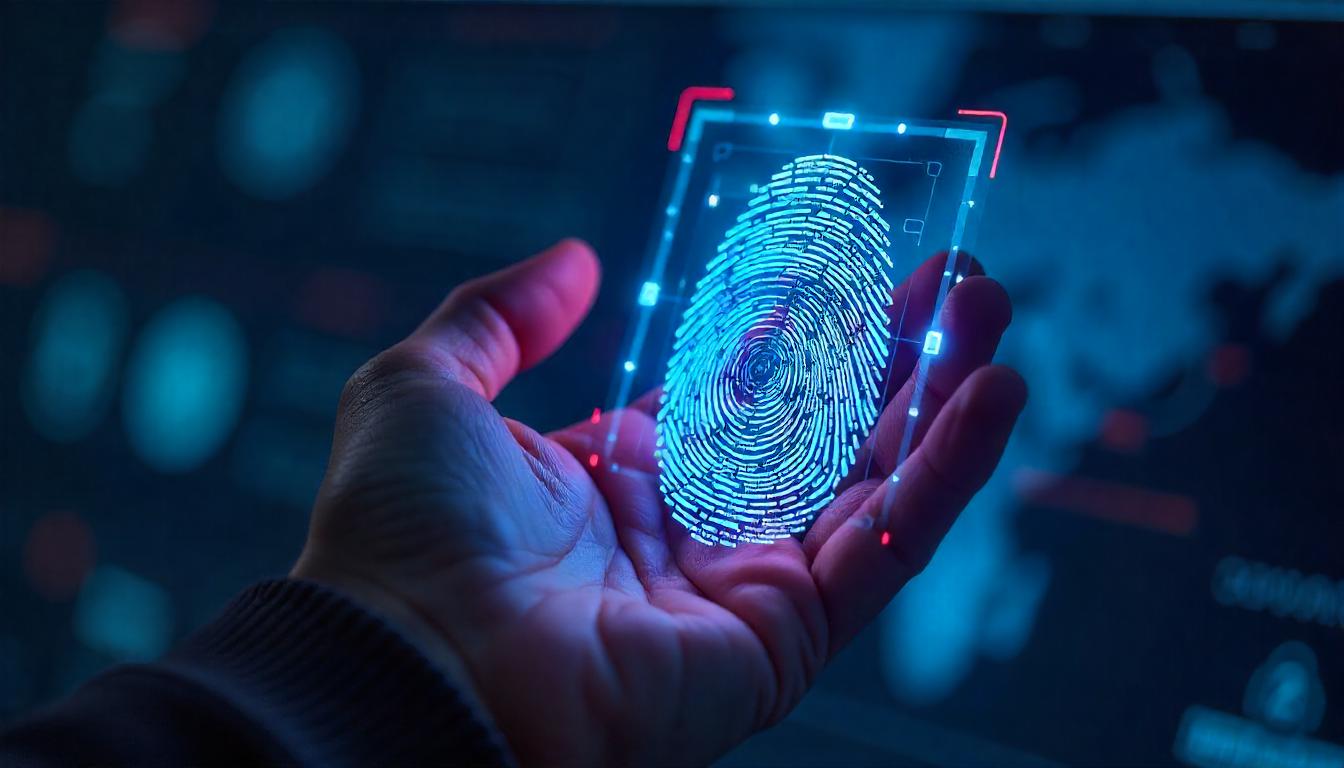
Fingerprint recognition has been around for decades and is one of the most well-known forms of biometric authentication. The uniqueness of fingerprints is well-documented; even identical twins have different fingerprints, making it a reliable form of identity verification.
Advantages:
- Accuracy: Fingerprint recognition is highly accurate. Modern sensors can capture intricate details of the fingerprint’s ridges and valleys, making it difficult to forge or replicate.
- Speed: Fingerprint scanners provide nearly instantaneous recognition, which is essential for high-throughput environments like airports or offices.
- Cost-effective: As the technology has matured, fingerprint scanners have become relatively inexpensive to implement, making them accessible for a wide range of applications.
- Non-intrusive: Compared to other biometrics, fingerprint scanning is quick and doesn’t require the user to perform any additional actions, aside from placing their finger on the scanner.
Challenges:
- Spoofing: Despite being secure, fingerprint systems are not entirely foolproof. Advanced hackers have found ways to spoof fingerprints using molds or high-resolution photographs, though modern systems have introduced liveness detection to combat this.
- Wear and tear: People who work in certain industries (like construction) may experience wear on their fingertips, which can hinder the accuracy of fingerprint scanning.
- Privacy concerns: Storing fingerprint data comes with significant privacy implications. If a database storing biometric data is hacked, the repercussions are severe, as unlike passwords, fingerprints cannot be changed.
Facial Recognition: The Future of Contactless Security?
Facial recognition technology has evolved rapidly in recent years, thanks to advancements in artificial intelligence and deep learning. By analyzing the unique geometry of a person’s face, such as the distance between the eyes or the shape of the jawline, facial recognition can provide accurate and contactless identification.
Advantages:
- Convenience: Facial recognition requires no physical contact, making it especially convenient for users. For instance, unlocking a smartphone with a simple glance is faster and more user-friendly than typing a password or using a fingerprint.
- Ubiquitous sensors: Most modern devices come with cameras, meaning facial recognition can be implemented using existing hardware, making it a cost-effective option in many cases.
- Improved accuracy with AI: As AI and machine learning continue to evolve, facial recognition systems have become incredibly accurate, even in low-light conditions or when partial obstructions (like glasses or masks) are present.
- Scalable for mass identification: Unlike fingerprints, which require individual participation, facial recognition can be used in crowds to identify individuals without needing their cooperation. This makes it ideal for surveillance and law enforcement applications.
Challenges:
- Ethical concerns: Facial recognition has sparked widespread concerns over privacy and surveillance. In some cases, governments and organizations have used this technology to track individuals without their consent, raising questions about misuse.
- Bias and inaccuracy: Despite advances, facial recognition systems can exhibit bias, particularly with people of color. Studies have shown that these systems are more likely to misidentify individuals from certain demographic groups, leading to potential discrimination.
- Spoofing and security: Like fingerprint recognition, facial recognition systems are also susceptible to spoofing. Hackers have successfully fooled some systems using photos or videos of the target, though newer models incorporate liveness detection to mitigate this risk.
Biometric Data Security and Privacy
As biometric systems become more prevalent, the security of the stored biometric data becomes a critical concern. Unlike passwords or access cards, which can be changed if compromised, biometric traits like fingerprints and facial features are immutable. This means that if someone’s biometric data is stolen, it could potentially be used against them for life.
To counter these concerns, modern biometric systems often employ encryption and secure storage mechanisms to ensure that biometric data cannot be easily accessed by malicious actors. Additionally, some systems use on-device processing, meaning that biometric data is never uploaded to a server, reducing the risk of large-scale breaches.
The Future: Combining Biometrics for Enhanced Security
While fingerprints and facial recognition are impressive on their own, the future of biometric security may lie in multi-modal systems that combine multiple biometric factors. By using a combination of fingerprints, facial recognition, voice recognition, or even iris scans, these systems can significantly improve accuracy and security.
For example, a banking app might require both a fingerprint and facial recognition before granting access, making it exceedingly difficult for a hacker to breach the system. Multi-modal biometrics can also adapt to various environments, ensuring consistent performance regardless of lighting conditions, physical obstructions, or other factors.
Conclusion: A Biometric-Driven Future
The future of security is undoubtedly biometric, with fingerprints and facial recognition leading the charge. These technologies offer a compelling mix of convenience, accuracy, and security that makes them well-suited for both consumer and enterprise applications. However, as with any technology, careful attention must be paid to privacy, ethical concerns, and the potential for misuse. As biometric systems continue to evolve, they will play a central role in shaping the security landscape of tomorrow.