Creating a User-Friendly Website for a Non-Profit Organization in 2025
Creating a User-Friendly Website for a Non-Profit Organization in 2025
In 2025, an engaging and user-friendly website is essential for non-profit organizations to connect with supporters, drive donations, and promote their mission. A well-designed website fosters trust, improves accessibility, and provides a seamless user experience, ensuring the organization’s message reaches the right audience. Here’s a step-by-step guide on how we helped a non-profit create a user-friendly website that achieved its goals in 2025.
1. Understanding the Organization’s Needs
Before diving into design and development, we collaborated with the non-profit to understand their unique requirements:
- Mission and Vision: Ensured the website effectively communicated their core message.
- Target Audience: Identified key stakeholders, including donors, volunteers, and beneficiaries.
- Goals: Focused on increasing online donations, volunteer sign-ups, and awareness about their initiatives.
2. Planning the Website Structure
A clear and intuitive structure was critical for easy navigation and information retrieval. We organized the website into key sections:
- Home Page: Highlighted the mission, ongoing campaigns, and a clear call-to-action (CTA).
- About Us: Shared the organization’s story, values, and impact.
- Get Involved: Included options for donations, volunteering, and fundraising.
- Programs: Detailed information about ongoing and past projects.
- Blog: Regular updates and success stories.
- Contact: Easy-to-find contact information with a simple form for inquiries.
3. Incorporating Accessibility Features
To ensure inclusivity, we prioritized accessibility in compliance with the Web Content Accessibility Guidelines (WCAG) 3.0:
- Keyboard Navigation: Designed all functionalities to be accessible via keyboard shortcuts.
- Alt Text for Images: Added descriptive alt text for all images.
- Readable Fonts and Colors: Used high-contrast color schemes and scalable, legible fonts.
- Screen Reader Compatibility: Ensured all content was screen-reader friendly.
4. Designing a Compelling User Interface (UI)
The design aimed to reflect the organization’s ethos while ensuring a modern and visually appealing experience:
- Clean Layout: Avoided clutter, focusing on key information and visuals.
- Consistent Branding: Incorporated the non-profit’s logo, colors, and typography throughout the site.
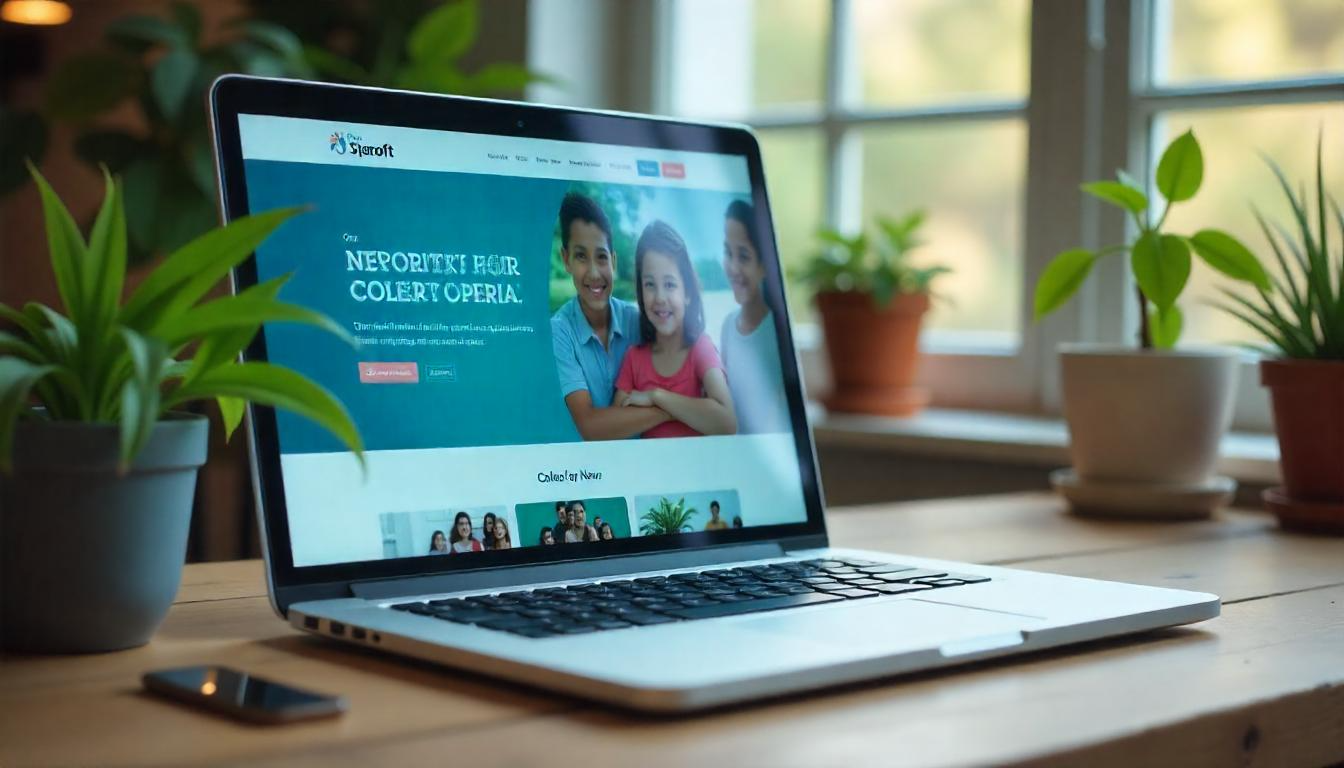
- Emotive Imagery: Used impactful photos and videos to evoke emotional connections.
5. Optimizing for Mobile Devices
With the majority of users accessing websites via smartphones, we implemented a mobile-first approach:
- Responsive Design: Ensured the site adapted seamlessly to various screen sizes.
- Fast Loading Times: Compressed images and minimized code for optimal performance.
- Mobile-Friendly CTAs: Designed buttons and forms that were easy to use on touchscreens.
6. Enhancing User Engagement
We integrated interactive features to boost user engagement:
- Donation Forms: Simplified the process with one-click options and recurring donation capabilities.
- Volunteer Sign-Up: Created an intuitive form for volunteering opportunities.
- Interactive Maps: Showed locations of projects and events.
- Social Media Integration: Embedded feeds and sharing buttons to amplify reach.
7. Implementing SEO and Content Strategies
To increase visibility, we optimized the website for search engines and crafted compelling content:
- Keyword Optimization: Used relevant keywords in meta tags, headings, and body text.
- Regular Blog Updates: Published stories about beneficiaries, events, and organizational milestones.
- Local SEO: Optimized for location-based searches to attract local donors and volunteers.
- Analytics Integration: Set up Google Analytics to monitor traffic and user behavior.
8. Ensuring Data Security and Privacy
Protecting user data and building trust was a top priority:
- Secure Payment Gateway: Used encrypted payment processing for donations.
- SSL Certification: Ensured the website used HTTPS for secure data transmission.
- Privacy Policy: Provided a clear and transparent privacy policy detailing data usage.
9. Testing and Launching the Website
Before going live, we conducted rigorous testing to ensure flawless functionality:
- Cross-Browser Testing: Verified compatibility with major browsers.
- Performance Testing: Assessed loading speeds and responsiveness.
- Accessibility Checks: Used tools like WAVE and Lighthouse to confirm compliance.
- User Testing: Gathered feedback from stakeholders and end-users to fine-tune the experience.
10. Measuring Success Post-Launch
We tracked the website’s performance to evaluate its effectiveness:
- Increased Donations: Online donations rose by 60% within three months.
- Higher Engagement: Average time on site increased by 45%.
- Volunteer Sign-Ups: Monthly sign-ups doubled compared to the previous year.
- Positive Feedback: Stakeholders praised the site for its ease of use and aesthetic appeal.
Key Takeaways for Non-Profits
- a. Prioritize User Experience: A user-friendly website is central to attracting and retaining supporters. Intuitive navigation and accessibility are non-negotiable.
- b. Leverage Technology: Integrating modern tools like responsive design, secure payment systems, and analytics ensures efficiency and scalability.
- c. Focus on Storytelling: Engaging content that highlights the organization’s impact can inspire action and build emotional connections.
- d. Commit to Continuous Improvement: Regularly updating content, features, and strategies keeps the website relevant and effective.
Conclusion
In 2025, a user-friendly website is a powerful tool for non-profits to amplify their mission and drive meaningful impact. By prioritizing accessibility, engaging design, and cutting-edge technology, we helped this non-profit create a digital presence that resonated with its audience and achieved measurable success. For organizations looking to thrive in the digital era, investing in a user-friendly website is a step toward sustainable growth and greater community engagement.