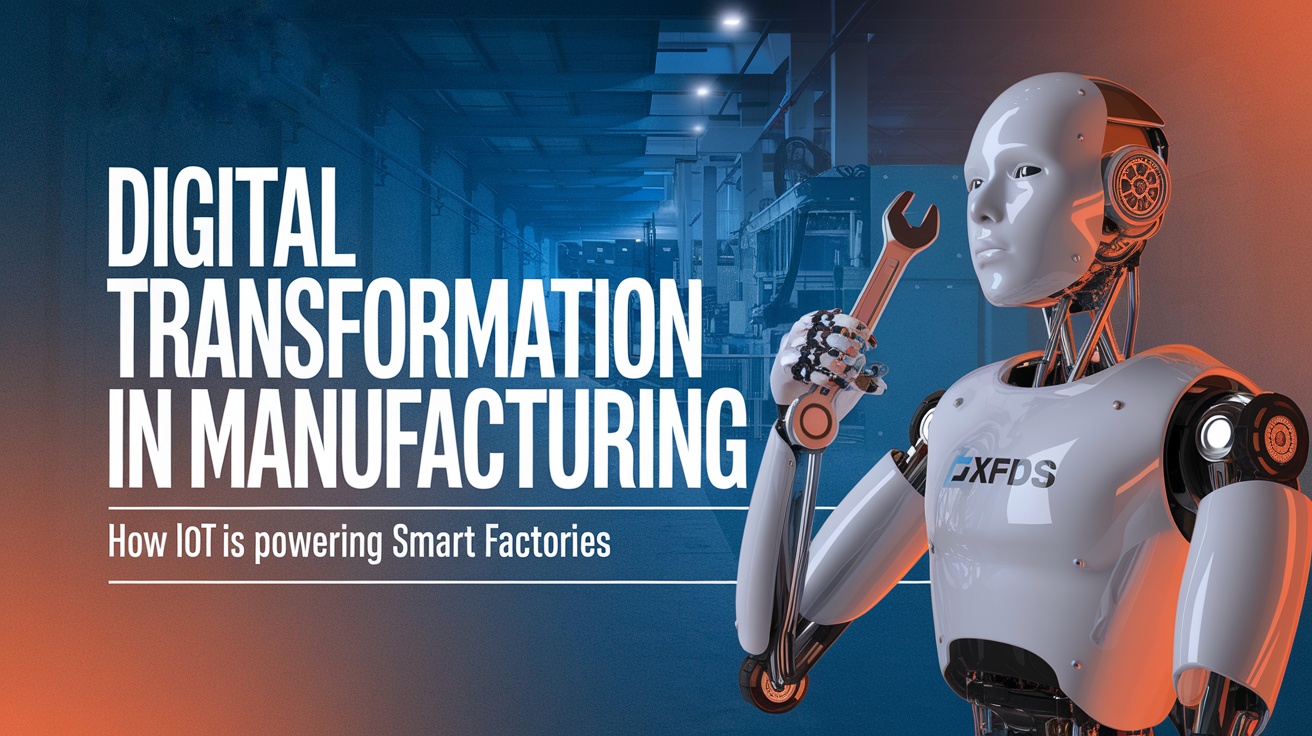
Digital Transformation in Manufacturing: How IoT is Powering Smart Factories
Introduction
The manufacturing sector is undergoing a profound transformation driven by digital technologies, particularly the Internet of Things (IoT). As industries evolve to meet the demands of a rapidly changing market, manufacturers are increasingly adopting IoT solutions to enhance productivity, improve efficiency, and foster innovation. Smart factories, characterized by interconnected devices and real-time data analytics, represent the future of manufacturing. This article explores how IoT is revolutionizing manufacturing, the benefits it offers, key technologies involved, real-world applications, challenges, and the future landscape of smart factories.
Understanding Digital Transformation in Manufacturing
What is Digital Transformation?
Digital transformation refers to the integration of digital technology into all areas of a business, fundamentally changing how operations are conducted and delivering value to customers. In manufacturing, this transformation involves leveraging technologies such as IoT, artificial intelligence (AI), cloud computing, and big data analytics to optimize processes, enhance decision-making, and improve overall productivity.
The Role of IoT in Manufacturing
The Internet of Things (IoT) consists of interconnected devices that communicate and share data over the internet. In manufacturing, IoT enables machines, sensors, and systems to connect and collaborate, providing real-time insights into operations. This connectivity allows manufacturers to monitor equipment performance, track inventory levels, and analyze production processes, leading to informed decision-making and increased operational efficiency.
Key Benefits of IoT in Smart Factories
1. Enhanced Operational Efficiency
IoT devices provide manufacturers with real-time data on equipment performance, production rates, and supply chain status. This data enables organizations to identify bottlenecks, optimize workflows, and streamline processes. For example, predictive maintenance powered by IoT can reduce downtime by alerting maintenance teams to potential equipment failures before they occur.
2. Improved Quality Control
IoT technologies facilitate continuous monitoring of production processes, allowing manufacturers to maintain consistent product quality. Sensors can detect deviations in manufacturing conditions, such as temperature or pressure, enabling immediate adjustments to prevent defects. This proactive approach to quality control reduces waste and enhances customer satisfaction.
3. Better Supply Chain Management
IoT enhances visibility across the supply chain by providing real-time information on inventory levels, shipment statuses, and supplier performance. This transparency enables manufacturers to make data-driven decisions regarding inventory management and demand forecasting. With accurate insights, companies can minimize excess stock, reduce lead times, and improve overall supply chain efficiency.
4. Data-Driven Decision Making
The integration of IoT in manufacturing generates vast amounts of data. Advanced analytics and machine learning algorithms can process this data to uncover patterns and trends, enabling manufacturers to make informed decisions. By leveraging data insights, organizations can optimize production schedules, improve resource allocation, and enhance overall operational performance.
5. Increased Flexibility and Agility
Smart factories powered by IoT can quickly adapt to changing market demands. With real-time data and automation, manufacturers can implement changes in production lines, adjust workflows, and modify product specifications to meet customer preferences. This flexibility enhances competitiveness and responsiveness in a dynamic marketplace.
6. Sustainability and Energy Efficiency
IoT technologies can contribute to sustainability initiatives by optimizing energy consumption and reducing waste. Smart sensors can monitor energy usage in real time, allowing manufacturers to identify inefficiencies and implement energy-saving measures. By minimizing resource consumption, companies can reduce their environmental impact while also lowering operational costs.
Key Technologies Enabling IoT in Smart Factories
1. Sensors and Actuators
Sensors play a critical role in IoT by collecting data from the physical environment. They can measure temperature, pressure, humidity, vibration, and other parameters relevant to manufacturing processes. Actuators, on the other hand, are devices that perform actions based on sensor data, such as adjusting equipment settings or initiating machinery.
2. Connectivity Solutions
Reliable connectivity is essential for IoT implementation. Technologies such as Wi-Fi, Bluetooth, Zigbee, and cellular networks facilitate communication between devices and the cloud. Additionally, emerging technologies like 5G offer the potential for faster and more reliable connections, enabling real-time data exchange.
3. Cloud Computing
Cloud computing provides the infrastructure for storing and processing the vast amounts of data generated by IoT devices. It enables manufacturers to access data from anywhere, facilitate collaboration, and scale their IoT solutions as needed. Cloud platforms also support advanced analytics and machine learning, enhancing the capabilities of smart factories.
4. Data Analytics and AI
Advanced data analytics and AI play a crucial role in extracting insights from IoT-generated data. Machine learning algorithms can identify patterns, predict equipment failures, and optimize production schedules. By leveraging AI-driven analytics, manufacturers can make data-driven decisions that enhance operational efficiency and improve product quality.
5. Cybersecurity Measures
As manufacturing systems become more interconnected, cybersecurity becomes a critical concern. Protecting IoT devices and networks from cyber threats is essential to ensure data integrity and operational continuity. Manufacturers must implement robust cybersecurity measures, including encryption, firewalls, and regular security audits, to safeguard their IoT ecosystems.
Real-World Applications of IoT in Manufacturing
1. Predictive Maintenance
Predictive maintenance utilizes IoT sensors to monitor equipment health and predict potential failures. For instance, GE Aviation employs IoT technology to monitor jet engines in real time, enabling maintenance teams to schedule repairs before issues arise. This approach minimizes unplanned downtime and reduces maintenance costs.
2. Smart Inventory Management
IoT solutions enable manufacturers to optimize inventory management by providing real-time visibility into stock levels and location. Companies like Zebra Technologies use RFID tags and IoT sensors to track inventory movements throughout the supply chain. This visibility helps reduce stockouts and excess inventory, improving overall efficiency.
3. Energy Management
Smart factories leverage IoT devices to monitor energy consumption and identify areas for improvement. For example, Siemens has implemented energy management solutions in its manufacturing facilities, allowing for real-time monitoring and analysis of energy usage. This enables the company to implement energy-saving initiatives, resulting in significant cost savings.
4. Quality Assurance
IoT technologies enhance quality assurance processes by enabling continuous monitoring of production conditions. For instance, Bosch uses IoT sensors to monitor the manufacturing of automotive components, ensuring that conditions remain within specified parameters. This proactive approach minimizes defects and improves product quality.
5. Remote Monitoring and Control
IoT enables manufacturers to remotely monitor and control equipment, facilitating better management of operations. Companies like Honeywell offer IoT-based solutions that allow operators to monitor processes from anywhere, enabling quick responses to issues and enhancing overall efficiency.
Challenges of Implementing IoT in Manufacturing
1. Integration with Legacy Systems
Many manufacturers rely on legacy systems that may not be compatible with IoT technologies. Integrating new IoT solutions with existing infrastructure can be complex and costly, requiring careful planning and investment.
2. Data Security and Privacy
The increased connectivity of IoT devices raises concerns about data security and privacy. Manufacturers must implement robust cybersecurity measures to protect sensitive data from cyber threats and ensure compliance with data protection regulations.
3. Skill Gaps and Workforce Training
The successful implementation of IoT technologies requires a skilled workforce capable of managing and analyzing IoT data. Manufacturers must invest in training and upskilling their employees to bridge the skill gaps associated with digital transformation.
4. High Initial Investment
While IoT can lead to significant cost savings in the long run, the initial investment required for IoT infrastructure, devices, and training can be a barrier for some manufacturers. Organizations must carefully evaluate the return on investment (ROI) before committing to IoT initiatives.
5. Managing Data Overload
The vast amounts of data generated by IoT devices can overwhelm organizations if not managed properly. Manufacturers must implement effective data management strategies to ensure they can extract meaningful insights from the data generated by their IoT systems.
The Future of Smart Factories
1. Increased Adoption of AI and Machine Learning
As IoT technologies continue to evolve, the integration of AI and machine learning will play a pivotal role in enhancing smart factory capabilities. These technologies will enable manufacturers to analyze data in real time, optimize processes, and make more informed decisions, ultimately driving further efficiency and innovation.
2. Greater Focus on Sustainability
Sustainability will remain a key focus for manufacturers as they adopt IoT solutions. Smart factories will increasingly leverage IoT technologies to reduce energy consumption, minimize waste, and enhance overall environmental performance. Companies that prioritize sustainability will likely gain a competitive edge in the market.
3. Enhanced Cybersecurity Measures
With the growing prevalence of IoT in manufacturing, cybersecurity will become even more critical. Manufacturers will need to invest in advanced cybersecurity solutions to protect their IoT ecosystems from cyber threats, ensuring data integrity and operational continuity.
4. Collaborative Robots (Cobots)
The future of smart factories will likely see increased collaboration between humans and robots. Collaborative robots, or cobots, are designed to work alongside human operators, enhancing productivity and safety in manufacturing environments. IoT technology will enable better communication and coordination between cobots and human workers.
5. Advanced Data Analytics and Visualization
The development of advanced data analytics and visualization tools will empower manufacturers to extract actionable insights from IoT-generated data more effectively. These tools will enhance decision-making processes and enable manufacturers to respond quickly to changing market conditions.
Conclusion
Digital transformation in manufacturing, driven by the Internet of Things, is reshaping the industry landscape. Smart factories equipped with IoT technologies offer unprecedented opportunities for enhanced operational efficiency, improved quality control, and better supply chain management.
While challenges exist, the potential benefits of IoT in manufacturing are significant, paving the way for a more sustainable, agile, and data-driven future. As manufacturers embrace these technologies, they must also invest in workforce training, cybersecurity measures, and effective data management strategies to fully realize the potential of smart factories.
In an era where agility and innovation are paramount, the adoption of IoT technologies will be crucial for manufacturers seeking to remain competitive.