
Digital Twins: How Virtual Models Are Revolutionizing Industries
Digital Twins: How Virtual Models Are Revolutionizing Industries
In an increasingly digital world, the concept of Digital Twins has emerged as a game-changing technology that is revolutionizing industries across the globe. Digital twins are virtual replicas of physical objects, systems, or processes that allow businesses to simulate, monitor, and optimize performance in real-time. Through advanced data analytics, machine learning, and artificial intelligence (AI), digital twins provide organizations with unprecedented insights, enabling them to make smarter decisions, improve efficiency, and reduce costs.
By creating a digital counterpart to a physical entity, digital twins can mirror real-world performance and behavior, allowing businesses to test scenarios, identify potential issues, and enhance operations. In this article, we explore what digital twins are, how they work, and their transformative impact on industries such as manufacturing, healthcare, construction, and more.
What is a Digital Twin?
A digital twin is a digital representation or virtual model of a physical object, system, or process that can simulate and replicate its real-world counterpart. This digital replica is continuously fed with real-time data from sensors and other sources, allowing the virtual model to reflect the current state of the physical entity accurately. Through data analytics and AI, digital twins can predict how a system will behave, detect inefficiencies, and suggest optimizations.
Digital twins can represent a wide variety of physical entities, from machines, products, and infrastructure to entire cities. The concept was initially applied in industries like aerospace and automotive but has since expanded to numerous other fields, offering solutions for everything from predictive maintenance to product design.
How Digital Twins Work
Digital twins work by creating a bridge between the physical and digital worlds. To build a digital twin, data is collected from various sensors embedded in a physical asset. This data includes information such as temperature, pressure, performance metrics, and environmental conditions. The data is then fed into a virtual model or simulation that mirrors the physical entity in real time.
The digital twin is continuously updated as new data is received, allowing it to reflect the current state of the physical object or system. Additionally, AI and machine learning algorithms analyze this data to generate insights, make predictions, and suggest improvements.
Here’s a step-by-step breakdown of how digital twins function:
- Data Collection: Sensors and IoT (Internet of Things) devices collect real-time data from the physical asset. This data can include a wide range of variables, depending on the type of asset being modeled, such as temperature, vibration, humidity, or speed.
- Data Integration: The collected data is integrated into the digital twin’s virtual model. Cloud computing, data lakes, or on-premise servers are often used to store and process the large volumes of data generated by the physical object.
- Simulation and Modeling: The virtual model simulates the behavior and performance of the physical entity in real time. Advanced software and analytics tools help replicate the physical entity’s conditions, enabling accurate simulation of various scenarios.
- Analytics and AI: Machine learning and AI algorithms analyze the data to generate insights, identify patterns, and predict future outcomes. The digital twin can detect potential failures, optimize operations, and suggest preventive measures based on data analysis.
- Action and Optimization: The insights generated by the digital twin are used to make informed decisions. For example, businesses can optimize manufacturing processes, schedule maintenance before failures occur, or design better products based on real-world usage data.
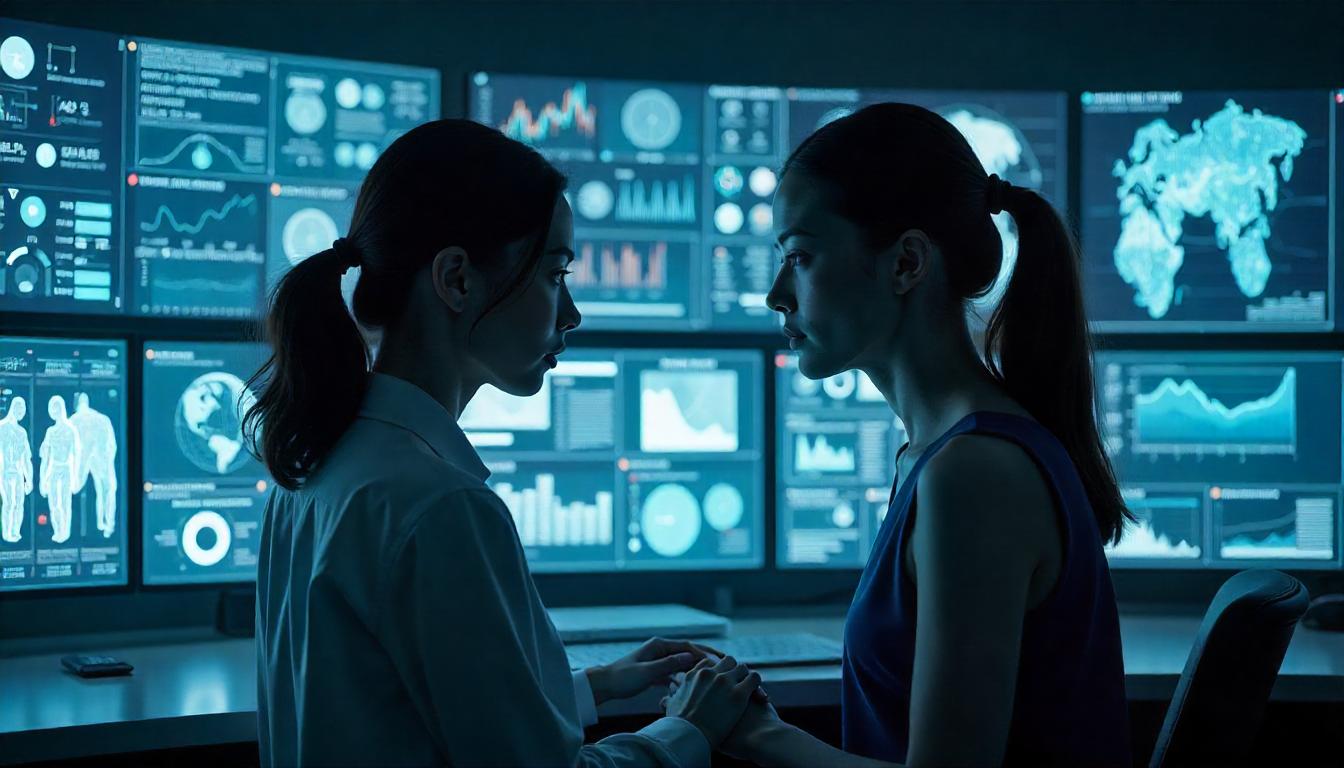
Applications of Digital Twins Across Industries
Digital twins are transforming how businesses operate, offering tangible benefits such as improved efficiency, reduced costs, and enhanced decision-making. Here are some of the key industries where digital twins are making a significant impact:
- Manufacturing
In the manufacturing industry, digital twins are revolutionizing production processes by providing real-time visibility into operations. By creating digital twins of machines, production lines, or entire factories, manufacturers can monitor performance, identify bottlenecks, and optimize workflows. - Healthcare
In healthcare, digital twins are being used to model human organs, medical devices, and hospital systems to improve patient outcomes and optimize operations. By creating a digital twin of a patient’s body or specific organ, doctors can simulate medical procedures, predict the outcomes of treatments, and personalize care based on individual health data. - Construction and Infrastructure
The construction and infrastructure industries are leveraging digital twins to enhance project planning, construction processes, and building management. Digital twins of buildings, bridges, or urban infrastructure allow engineers and architects to monitor construction progress in real-time, optimize resource allocation, and ensure that projects stay on schedule and within budget. - Automotive and Aerospace
The automotive and aerospace industries were among the earliest adopters of digital twins. In automotive, digital twins are used throughout the product lifecycle, from design and testing to production and maintenance. Engineers can create digital twins of vehicles to simulate performance under different conditions, test new features, and optimize designs for fuel efficiency, safety, and durability. - Energy and Utilities
The energy and utilities sector is using digital twins to optimize the performance of power plants, renewable energy systems, and grid infrastructure. Digital twins of wind turbines, solar panels, and energy grids allow operators to monitor performance in real time, optimize energy production, and reduce operational costs. - Smart Cities
As cities become more connected through the Internet of Things (IoT), digital twins are playing a pivotal role in the development of smart cities. By creating digital twins of urban infrastructure, such as transportation systems, utilities, and public buildings, city planners can monitor and optimize the flow of traffic, energy consumption, and public services.
Benefits of Digital Twins
The adoption of digital twins offers numerous benefits to businesses and industries, including:
- Enhanced Decision-Making: Digital twins provide real-time data and insights, enabling businesses to make informed decisions based on accurate simulations and predictions. This reduces uncertainty and allows companies to optimize operations, improve product design, and enhance service delivery.
- Predictive Maintenance: One of the most valuable applications of digital twins is predictive maintenance. By continuously monitoring the condition of assets, digital twins can predict when equipment is likely to fail, allowing businesses to perform maintenance proactively. This reduces downtime, minimizes repair costs, and extends the lifespan of machinery.
- Cost Savings: By simulating processes and systems in a virtual environment, businesses can identify inefficiencies, test different scenarios, and optimize resource allocation without incurring the costs of physical trials. This leads to significant cost savings in areas such as production, maintenance, and energy consumption.
- Improved Product Development: Digital twins enable businesses to test and refine product designs in a virtual environment, allowing for faster development cycles and fewer physical prototypes. This accelerates the innovation process and reduces the time to market for new products.
- Sustainability: Digital twins can help organizations achieve sustainability goals by optimizing energy usage, reducing waste, and minimizing the environmental impact of production processes. For example, manufacturers can use digital twins to optimize energy consumption in factories, and cities can use digital twins to improve resource efficiency in urban infrastructure.
Challenges of Implementing Digital Twins
While the benefits of digital twins are clear, there are also challenges to their implementation, including:
- Data Integration: Digital twins rely on vast amounts of data from sensors and IoT devices. Integrating this data into a unified system and ensuring its accuracy can be complex and resource-intensive.
- Cost and Complexity: Developing and maintaining digital twins can require significant investments in technology, infrastructure, and expertise. Businesses must carefully assess the costs and benefits to ensure a positive return on investment.
- Security and Privacy: With digital twins generating and processing vast amounts of real-time data, ensuring the security and privacy of this data is critical. Companies must implement robust cybersecurity measures to protect against data breaches and cyberattacks.
The Future of Digital Twins
The future of digital twins looks promising, with advancements in AI, machine learning, and IoT continuing to enhance their capabilities. As industries embrace digital transformation, the role of digital twins will expand, providing even more sophisticated insights and optimization opportunities.
In the coming years, we can expect digital twins to play a central role in the development of smart cities, autonomous vehicles, and sustainable energy solutions. With the ability to simulate complex systems, predict outcomes, and optimize operations, digital twins are set to become an indispensable tool for businesses and governments alike.
Conclusion
Digital twins are revolutionizing industries by offering a powerful way to simulate, monitor, and optimize physical assets and systems in real time. From manufacturing and healthcare to construction and smart cities, the applications of digital twins are vast and varied. As technology continues to evolve, digital twins will play a critical role in shaping the future

