Edge Computing Explained Use Cases & Benefits for SMEs
Edge Computing Explained: Use Cases & Benefits for SMEs
By DreamsLab
As the digital world becomes increasingly connected and real-time, businesses—especially small and medium-sized enterprises (SMEs)—need computing solutions that are fast, responsive, and efficient. That’s where edge computing comes in.
While cloud computing remains vital, edge computing offers a powerful, complementary solution for businesses that need low latency, localized processing, and reduced bandwidth costs.
At DreamsLab, we help SMEs harness the power of emerging technologies. In this blog, we break down what edge computing is, why it matters, and how small businesses can leverage it for competitive advantage.
🧠 What Is Edge Computing?
Edge computing refers to the processing of data at or near the source of data generation—rather than sending it to a centralized cloud or data center.
In simpler terms:
Instead of sending data all the way to the cloud for analysis and waiting for a response, edge computing allows devices (sensors, cameras, local servers) to process that data on the spot.
🚦 Real-World Analogy:
Imagine traffic lights in a smart city. With edge computing, the decision to turn green or red is made at the intersection (the “edge”), not in a data center 1,000 km away.
☁️ Edge vs Cloud: What’s the Difference?
| Feature | Cloud Computing | Edge Computing |
|---|---|---|
| Data processing location | Centralized (remote server) | Decentralized (near the data source) |
| Latency | Higher | Lower |
| Bandwidth usage | High | Low |
| Real-time capability | Moderate | High |
| Offline functionality | Limited | Strong |
💡 Cloud is great for big data and storage. Edge is ideal for real-time, on-site, or bandwidth-sensitive applications.
💡 Why Should SMEs Care About Edge Computing?
Edge computing isn’t just for big tech or IoT-heavy enterprises. It offers practical benefits for local businesses, startups, and mid-sized companies, especially in regions like Pakistan and MENA where internet reliability and latency can vary.
🚀 Key Benefits of Edge Computing for SMEs
1. ⚡ Ultra-Low Latency
Edge systems process data where it’s created, reducing response times from seconds to milliseconds.
✅ Great for:
- POS systems
- Smart kiosks
- Real-time customer interactions
2. 📶 Reduced Internet Dependence
Edge devices can function offline or with intermittent connectivity—perfect for businesses in areas with unstable internet.
✅ Great for:
- Rural SMEs
- Warehouses
- Mobile businesses
3. 🧩 Lower Bandwidth & Cloud Costs
Instead of constantly sending all data to the cloud, only relevant insights are transferred—cutting down on bandwidth bills.
✅ Great for:
- Surveillance systems
- IoT deployments
- In-store analytics
4. 🔐 Enhanced Security & Compliance
Keeping sensitive data on-site (e.g., customer biometrics or payment info) reduces exposure to external threats.
✅ Great for:
- Clinics
- Banks
- Local e-commerce fulfillment centers
5. 🤖 Real-Time AI and Automation
Edge devices can host lightweight AI models to make decisions instantly, like:
- Analyzing customer behavior in-store
- Detecting defects in manufacturing
- Responding to voice commands or gestures
✅ Great for:
- Retail
- Manufacturing
- Logistics
🧪 Practical Use Cases for Edge Computing in SMEs
🛒 1. Smart Retail
- Track in-store footfall
- Analyze product engagement
- Trigger dynamic pricing or offers
Example: A small fashion boutique uses edge devices to count visitors and adjust lighting or playlist based on traffic.
🏥 2. Local Health Clinics
- Monitor patient vitals in real time
- Run basic diagnostics
- Store patient data locally for compliance
Example: A rural clinic uses an edge-enabled diagnostic tool to perform on-site screenings, even without constant internet access.
🚛 3. Logistics & Fleet Management
- Track vehicle location
- Monitor fuel efficiency
- Optimize routes
Example: A small delivery startup uses GPS + edge devices to re-route drivers dynamically based on traffic.
🧾 4. Point-of-Sale & Kiosk Systems
- Offline sales functionality
- Instant payment processing
- Secure customer data storage
Example: A food truck continues to accept payments even when 4G drops, thanks to its edge-enabled POS terminal.
🏭 5. Smart Manufacturing (Industry 4.0)
- Monitor vibration and temperature
- Detect performance anomalies
Example: A small textile factory uses edge AI to detect motor faults before they cause downtime.
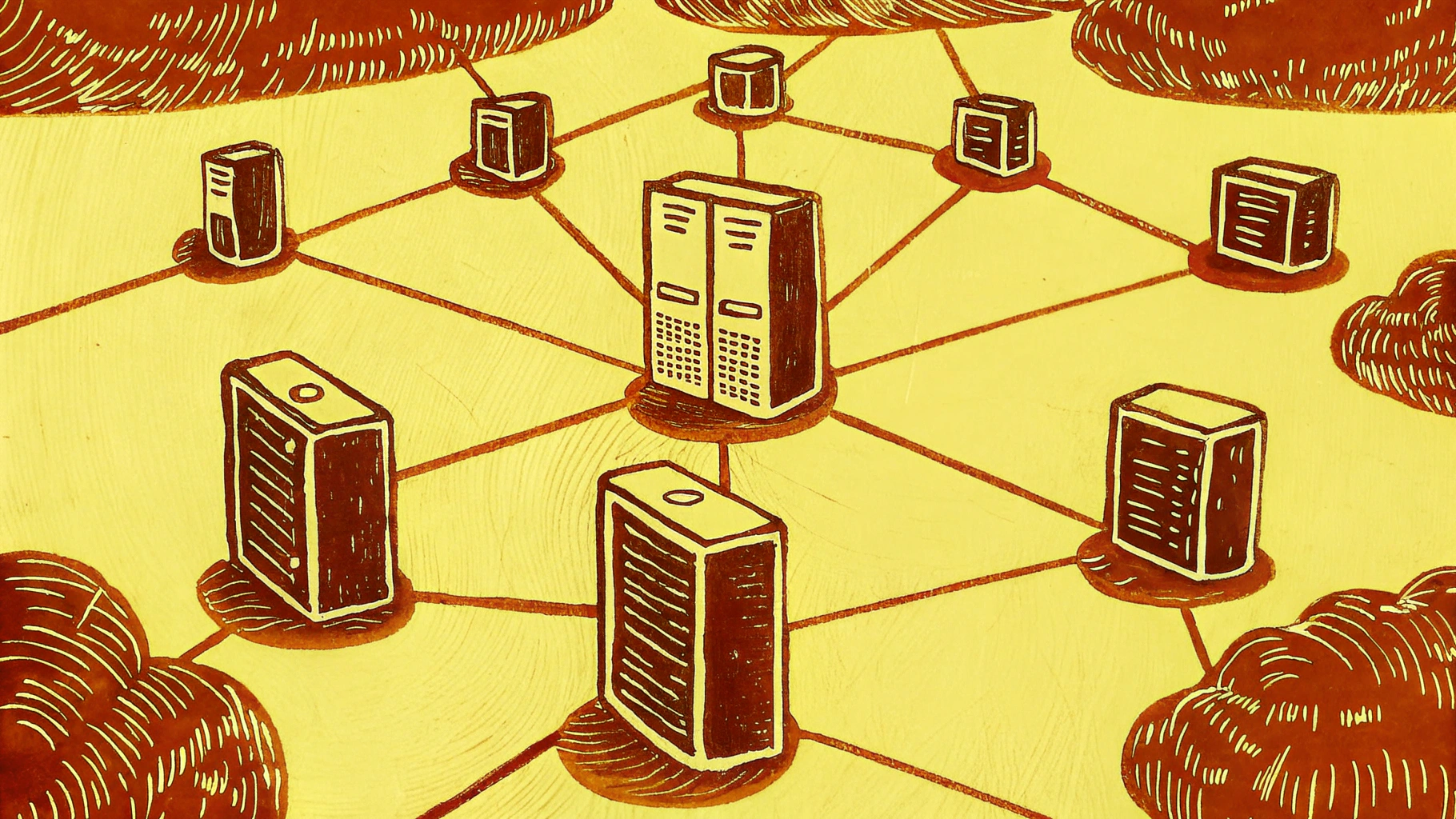
🛠️ Edge + Cloud = Hybrid Power
You don’t have to choose between cloud and edge. In fact, the most efficient setup for SMEs is often hybrid:
- Use edge devices for real-time, local decisions
- Sync summarized or relevant data to the cloud for historical analysis or reporting
- Combine with AI for predictive insights
🏗️ What Do You Need to Get Started?
You don’t need a massive infrastructure overhaul. Start small:
- Identify Latency-Sensitive Processes: Look at areas where delays hurt business—like customer checkout, sensor-based decisions, or manual monitoring.
- Choose the Right Edge Hardware: From Raspberry Pi and NVIDIA Jetson Nano to industrial gateways, choose hardware based on your business size and data load.
- Use Lightweight AI or Logic: Install software that can run simple tasks without cloud support (e.g., OpenCV, TensorFlow Lite).
- Partner with a Tech Team: Work with firms like DreamsLab to integrate edge devices, secure data, and monitor performance.
🧠 Common Myths About Edge Computing
| Myth | Reality |
|---|---|
| It’s only for big tech | SMEs can benefit even more—especially where latency or bandwidth is limited |
| It replaces the cloud | It complements the cloud; they work better together |
| It’s expensive | Many affordable, plug-and-play edge solutions are available |
| It’s complex | With the right partner, edge computing is easy to deploy and scale |
🌍 Edge Computing in Pakistan & MENA: A Regional Opportunity
In regions where internet infrastructure can be inconsistent, edge computing can offer stability, speed, and security.
Sectors like:
- Agriculture
- Logistics
- Education
- Healthcare
Example: A smart irrigation system in Punjab uses edge devices to automate watering, saving 30% in water usage without internet reliance.
🌐 How DreamsLab Supports Edge Integration
At DreamsLab, we help SMEs design and deploy edge-enabled systems that are:
- Affordable
- Scalable
- Secure
- Tailored to your workflow
Our services include:
- Edge hardware selection & setup
- Edge AI model deployment
- Cloud syncing strategy
- Monitoring and support
🔮 Final Thoughts: The Edge Is Now
Edge computing isn’t the future — it’s the now. It empowers small and medium businesses to operate smarter, faster, and more locally—without relying on expensive or unstable cloud connections.
As customer expectations grow and operations scale, edge computing offers a cost-effective way to stay ahead without the bloat of large infrastructure.
So, whether you’re a retail shop in Lahore, a clinic in Karachi, or a logistics startup in Riyadh — it’s time to bring computing closer to where your business happens.
🚀 Ready to Explore Edge Computing for Your SME?
Let DreamsLab help you identify, implement, and scale the right edge solutions for your needs.
- 📩 hello@dreamslab.pk
- 🔗 dreamslab.pk
- 💬 LinkedIn: @DreamsLab
- 📸 Instagram: @dreamslab.studio