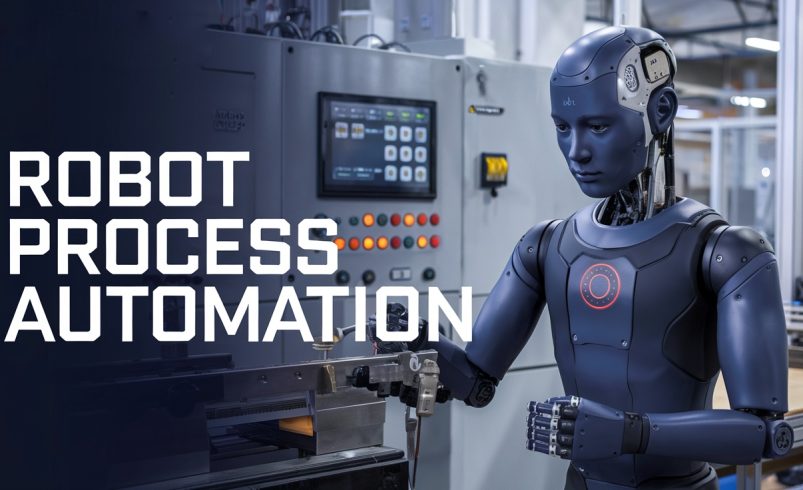
Ethical AI: Navigating the Challenges of Responsible Technology
Ethical AI: Navigating the Challenges of Responsible Technology
Artificial Intelligence (AI) has quickly evolved from an abstract concept into a transformative technology with applications in almost every domain, from healthcare and education to finance and entertainment. The incredible potential of AI to revolutionize industries and improve lives is well-recognized, but it also brings with it serious ethical concerns and challenges. As AI systems become more pervasive, understanding and addressing these ethical challenges is critical to ensuring that the technology is used responsibly and fairly.
This article explores the ethical issues surrounding AI, the challenges involved in creating responsible AI technologies, and the steps necessary for mitigating the risks associated with these powerful systems.
The Power and Promise of AI
AI systems are capable of processing massive amounts of data, learning from patterns, and making decisions with little to no human intervention. They can analyze medical images to detect diseases, drive autonomous vehicles, optimize supply chains, and even generate creative content like music and art. These capabilities have the potential to create significant social, economic, and technological advances.
However, with great power comes great responsibility. AI’s ability to influence decisions and automate processes introduces ethical questions, particularly when these systems are used in high-stakes areas like healthcare, criminal justice, hiring, and public policy. The core concern is how to ensure AI benefits society without exacerbating inequality, violating privacy, or perpetuating harmful biases.
Major Ethical Challenges of AI
1. Bias and Discrimination
One of the most significant ethical concerns with AI is bias. AI models are trained on data, and if the data reflects societal biases, the AI can reinforce or even amplify those biases. For example, facial recognition software has been shown to have higher error rates for people with darker skin tones, leading to misidentifications that can have serious consequences. Similarly, AI-powered recruitment tools can inherit gender or racial biases present in historical hiring data, disadvantaging minority groups in job opportunities.
The challenge here is twofold: ensuring that training data is representative and unbiased, and developing algorithms that can identify and mitigate any biases they encounter. Without addressing these issues, AI risks perpetuating the very social inequalities it has the potential to alleviate.
2. Transparency and Explainability
AI systems, especially those built on machine learning models, are often described as “black boxes” because their decision-making processes are not easily interpretable. This lack of transparency is problematic, especially in critical areas like healthcare or criminal justice, where understanding how a decision was made is crucial for accountability.
Ethical AI development requires that systems be explainable and transparent so that stakeholders—including developers, users, and regulators—can understand how decisions are made and ensure they align with ethical and legal standards. This challenge, often referred to as the “explainability problem,” is a key area of ongoing research in AI ethics.
3. Privacy and Surveillance
AI systems often rely on vast amounts of personal data to operate effectively. While this data can improve the accuracy and usefulness of AI, it also raises significant privacy concerns. The use of AI in surveillance technologies, for example, can infringe on individual privacy rights, leading to the potential for misuse by governments or corporations.
Ensuring that AI systems respect privacy involves implementing strong data protection measures, such as anonymization, encryption, and adherence to privacy laws like the General Data Protection Regulation (GDPR). Additionally, there is a need for transparency about how data is collected, stored, and used by AI systems.
4. Autonomy and Control
As AI systems become more sophisticated, there is growing concern over the level of control humans have over these systems. Autonomous systems, such as self-driving cars or AI-driven drones, raise important questions about accountability in the case of accidents or unintended consequences. Who is responsible if an autonomous vehicle causes a crash? Is it the manufacturer, the software developer, or the AI itself?
Ethical AI must ensure that human oversight remains central to AI deployment, particularly in areas where the stakes are high. This includes developing systems that allow for human intervention and maintaining mechanisms to override AI decisions when necessary.
5. Job Displacement and Economic Impact
The rise of AI and automation has sparked fears of widespread job displacement. While AI can improve productivity and create new job opportunities, it also has the potential to replace human workers in a variety of industries, from manufacturing and logistics to customer service and retail. This raises ethical questions about how to manage the economic impact of AI and ensure that the benefits of the technology are distributed fairly.
Policymakers and business leaders must navigate this challenge by investing in retraining and reskilling programs for workers whose jobs are at risk of being automated. Additionally, there is a need for thoughtful discussions around social safety nets and economic policies that can mitigate the negative effects of job displacement.

Ensuring Responsible AI Development
Addressing these ethical challenges requires a multi-faceted approach, involving collaboration between governments, industry, academia, and civil society. Some of the key strategies for ensuring responsible AI development include:
1. Regulation and Standards
Governments and international organizations are beginning to develop regulatory frameworks for AI to ensure it is used responsibly. The European Union, for example, has proposed the AI Act, which seeks to regulate AI systems based on their risk level. High-risk systems, such as those used in healthcare or law enforcement, would be subject to stricter oversight and transparency requirements.
Industry standards and guidelines are also emerging, with organizations like the IEEE (Institute of Electrical and Electronics Engineers) and ISO (International Organization for Standardization) working to develop best practices for AI development and deployment.
2. Ethical AI by Design
Ethical considerations must be integrated into the AI development process from the start. This involves adopting the principle of “ethical AI by design,” where developers and engineers prioritize ethical concerns throughout the design, training, and deployment of AI systems. This includes ensuring that data is representative, addressing bias, and making systems explainable.
Many organizations are now establishing AI ethics committees or appointing Chief AI Ethics Officers to oversee the ethical implications of their AI projects. This ensures that ethical considerations are not an afterthought but are embedded in the core of AI development.
3. Diversity and Inclusion in AI Development
A key aspect of ethical AI is ensuring that the teams developing AI systems are diverse and inclusive. A lack of diversity in AI development can result in blind spots when it comes to identifying and addressing biases. By including individuals from diverse backgrounds, experiences, and perspectives, AI developers can create systems that are more equitable and better suited to a wide range of users.
4. Education and Public Awareness
Ensuring ethical AI also requires educating the public about the capabilities and limitations of AI systems. Many people are unaware of the ways AI is used in their everyday lives, from social media algorithms to credit scoring systems. Public awareness campaigns and educational initiatives can help individuals understand how AI affects them and advocate for responsible AI practices.
Conclusion
AI has the potential to bring about transformative changes in society, but it also presents significant ethical challenges. Ensuring that AI is developed and deployed responsibly requires addressing issues such as bias, transparency, privacy, and job displacement. By establishing clear regulations, promoting diversity and inclusion in AI development, and fostering public awareness, we can harness the power of AI while mitigating its risks.
Navigating the ethical challenges of AI is a shared responsibility that will require collaboration between governments, industry, and civil society. Only by working together can we ensure that AI is used to promote fairness, equity, and human well-being in the digital age.