Integrating AI into Your Marketing Strategy A Beginner’s Guide
Integrating AI into Your Marketing Strategy: A Beginner’s Guide
By Dreams Lab
In today’s hyper-competitive digital space, marketing is no longer just about catchy slogans or boosted posts. It’s about precision, personalization, and performance. If you’re still running campaigns based on gut feelings or basic metrics, it’s time to level up — with Artificial Intelligence (AI).
From global giants like Netflix to small businesses in Pakistan, brands are now using AI to automate processes, optimize performance, and deliver hyper-personalized experiences. The best part? You don’t need to be a tech wizard to start. You just need a smart plan.
At Dreams Lab, we help businesses of all sizes embrace AI — not as a buzzword, but as a practical tool to drive smarter marketing. In this beginner-friendly guide, we’ll walk you through how to integrate AI into your marketing strategy — step-by-step.
🤖 What is AI in Marketing?
AI in marketing refers to using artificial intelligence technologies like machine learning, data analytics, NLP (natural language processing), and automation to improve how you attract, engage, convert, and retain customers.
Think of it as a digital brain that helps your brand:
- Understand user behavior
- Predict customer needs
- Automate repetitive tasks
- Deliver content that feels tailor-made
From email campaigns to chatbot conversations to ad targeting — AI is already reshaping marketing as we know it.
🧠 Why You Should Use AI in Your Marketing Strategy
Here’s what AI brings to the table:
- ✅ Precision – Target the right audience, at the right time, with the right message.
- ✅ Personalization – Offer content and products tailored to individual preferences.
- ✅ Automation – Save hours on campaign scheduling, reporting, and customer follow-ups.
- ✅ Predictive Power – Forecast trends, identify churn risk, and predict conversions.
📈 Brands using AI in marketing see up to 50% higher conversions and 40% lower costs per acquisition (source: McKinsey).
🛠️ Step-by-Step: How to Start Integrating AI Into Your Marketing
Step 1: Define Your Marketing Goals
Start with clarity:
- Do you want to increase sales?
- Reduce bounce rates?
- Improve email open rates?
- Retarget lost leads?
🎯 Clear goals help you identify which AI tools to focus on — from personalization to analytics to automation.
Step 2: Collect and Organize Your Data
AI is only as good as the data it uses.
Start collecting:
- Website analytics
- Email engagement metrics
- Social media insights
- CRM data (e.g., customer profiles, purchase history)
🧩 Clean, well-structured data is the fuel for AI decision-making.
Step 3: Use AI for Customer Segmentation
Gone are the days of basic age/gender targeting. AI tools can segment audiences based on:
- Behavior (e.g., “frequent browsers” vs “loyal buyers”)
- Interests and affinities
- Predicted lifetime value (LTV)
- Churn risk or inactivity
Tools to Try:
- Klaviyo (for email behavior)
- Segment (for unified customer profiles)
- Meta Advantage Audiences (for Facebook Ads)
🎯 This lets you send the right message to the right group, improving relevance and ROI.
Step 4: Automate Your Campaigns With AI
AI marketing automation lets you:
- Schedule emails and SMS based on user behavior
- Set up trigger-based ad retargeting
- Send cart abandonment reminders automatically
Platforms:
- HubSpot (AI-powered workflows)
- ActiveCampaign (predictive email send times)
- Zapier + AI tools (connect apps and automate actions)
🕒 More automation = less manual work and more consistent communication.
Step 5: Personalize Content With AI Recommendations
Instead of showing the same homepage to everyone, use AI to display:
- Personalized product suggestions
- “You may also like” carousels
- Customized blog content or videos
Popular Tools: Nosto, Dynamic Yield, Shopify Personalized Recommendations
📦 Users are 3x more likely to convert when content feels tailored just for them.
Step 6: Leverage AI in Ad Targeting
AI-powered ad platforms like Google Ads and Facebook now offer:
- Automated bidding strategies
- AI-generated copy and creative suggestions
- Predictive targeting based on user behavior
Use Tools Like: Meta Advantage+ Campaigns, Google Performance Max, Adzooma, Madgicx
Step 7: Use AI Chatbots for Customer Engagement
Chatbots powered by AI can:
- Answer FAQs instantly
- Guide users through purchases
- Collect leads 24/7
- Speak in Urdu, Roman Urdu, or English
Recommended Bots: Tidio, ManyChat, WATI, Dialogflow
💬 Pakistani businesses using chatbots have seen up to 50% faster conversions during flash sales and support surges.
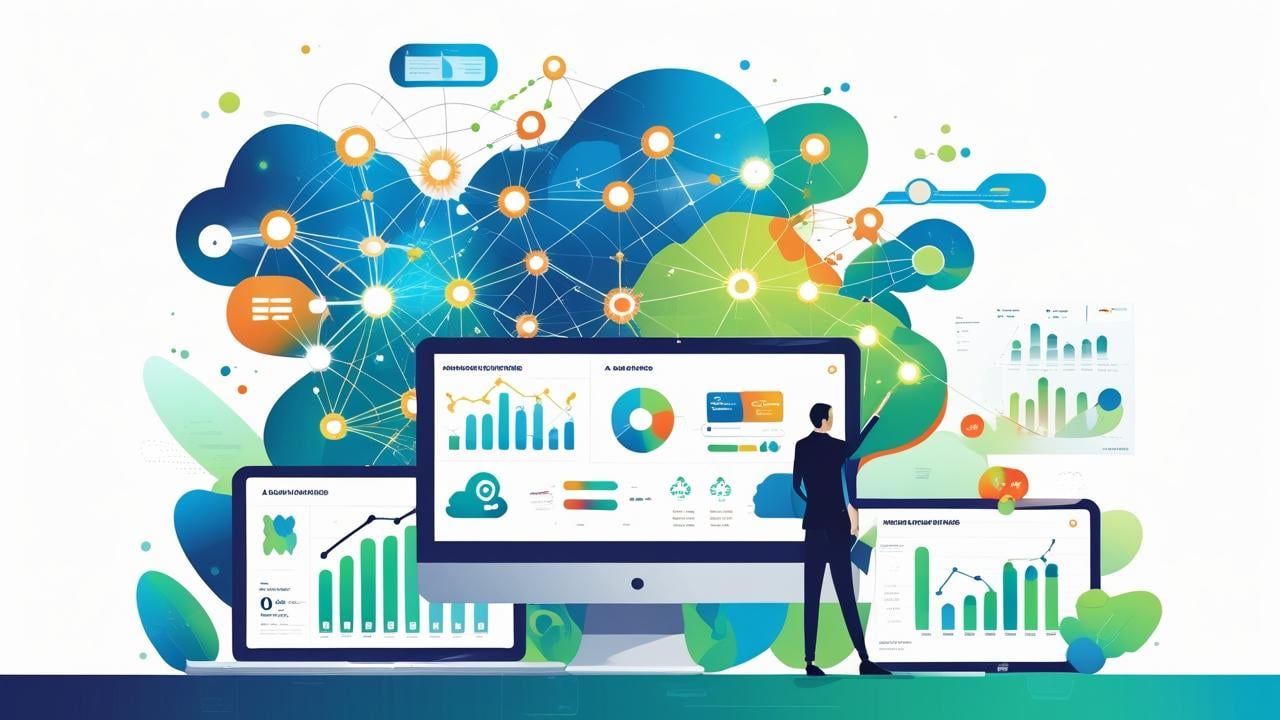
Step 8: Measure Performance with AI Analytics
AI doesn’t just help you execute — it helps you analyze and improve.
- Spot trends before they emerge
- Predict which products will perform
- Suggest marketing actions automatically
Tools to Explore: Google Analytics 4, Hotjar + AI heatmaps, Tableau, Power BI
🔍 AI Marketing in Action: Real Use Cases
- 🛍️ E-commerce Brand in Pakistan – Used AI chatbots and personalized email flows during Ramadan sale. Result: 3x higher click-through rate, 28% lift in sales.
- 📩 Service-Based Startup – Implemented AI-powered email automation. Result: 40% increase in client bookings.
- 📱 Fashion Brand on Instagram – Used Meta Advantage+ for auto-optimized ads. Result: 20% lower CPC, improved ROAS.
⚠️ Common Myths About AI in Marketing (Debunked)
| ❌ Myth | ✅ Truth |
|---|---|
| AI is only for big tech companies | AI tools are now affordable for SMEs and startups |
| You need a data scientist to use AI | Many tools have no-code interfaces |
| AI replaces marketers | AI supports marketers — it doesn’t replace creativity |
| It’s too complex to get started | You can start with a single use case (e.g., email automation) |
🧭 Pro Tips to Get Started with AI in Marketing
- Start small: Focus on one goal (like increasing email open rates or reducing abandoned carts).
- Pick the right tools: Choose based on your business size, platform, and customer base.
- Train your team: Ensure they understand how AI works — even if they’re not technical.
- A/B test everything: Let AI learn from real data, not assumptions.
- Track ROI: Monitor metrics to see what’s working and optimize continuously.
🧠 Remember: AI doesn’t replace strategy — it supercharges it.
Final Thoughts
AI is no longer a “future technology.” It’s happening now, and brands that embrace it are pulling ahead — not just with better tools, but with smarter marketing.
Whether you’re a Pakistani startup or a growing international brand, AI offers a clear path to:
- Work more efficiently
- Engage more deeply
- Sell more intelligently
At Dreams Lab, we help brands integrate AI across their marketing stack — from strategy to implementation — using tools that are powerful, practical, and results-driven.