IoT Integration How Connected Devices Can Transform Traditional Industries
IoT Integration: How Connected Devices Can Transform Traditional Industries
By DreamsLab
The world is getting smarter—one device at a time. From smart thermostats to industrial sensors, the Internet of Things (IoT) is revolutionizing how we live, work, and do business. For traditional industries—manufacturing, agriculture, logistics, healthcare, and even retail—IoT integration offers a unique opportunity to optimize, automate, and innovate.
At DreamsLab, we work with enterprises and SMEs across Pakistan and MENA to help bridge the gap between legacy systems and intelligent, connected infrastructure. In this blog, we’ll explore what IoT is, its core benefits, real-world applications, and how businesses can begin their journey toward IoT-driven transformation.
🌐 What is IoT?
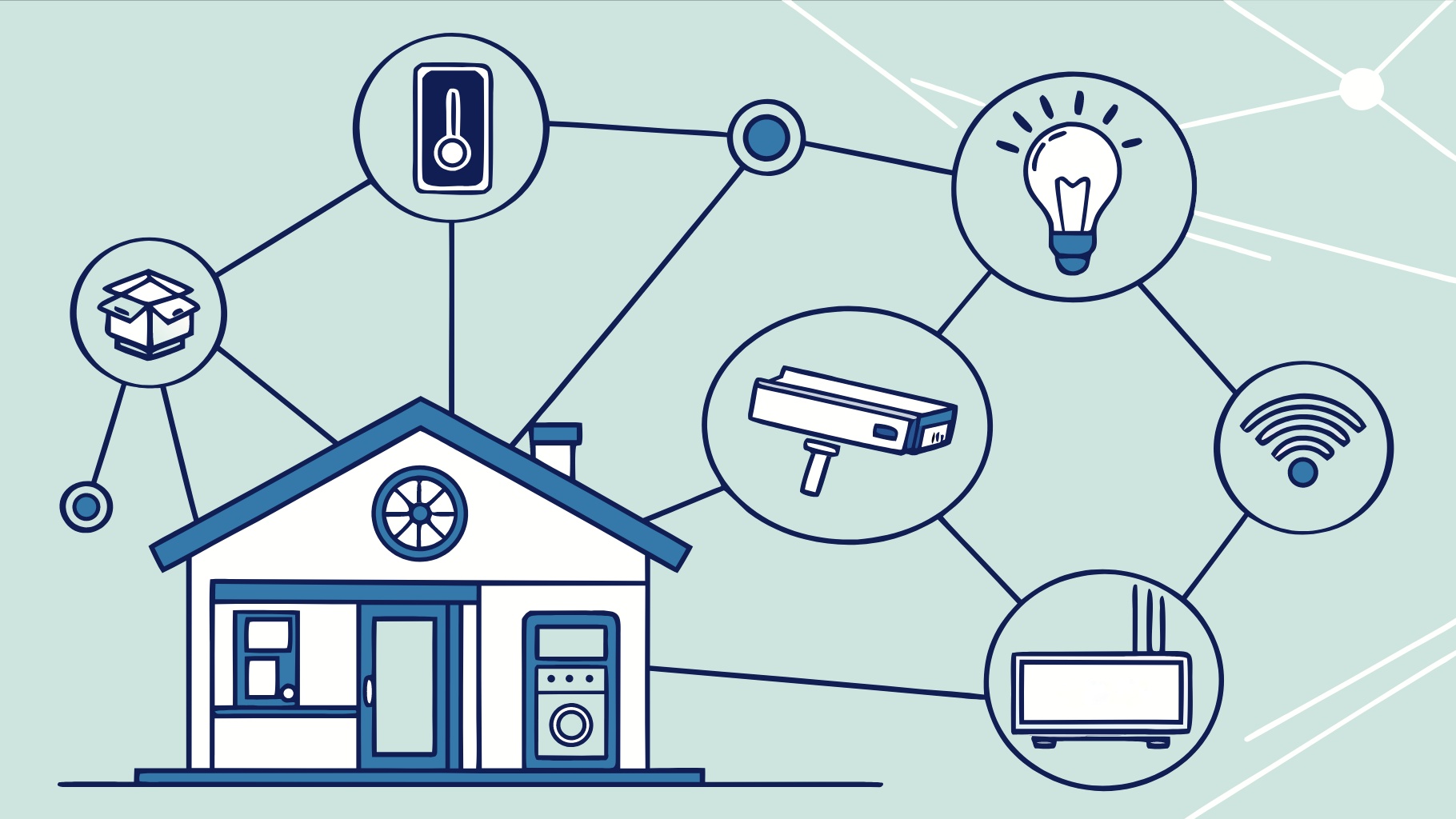
The Internet of Things (IoT) refers to a network of physical objects (“things”) embedded with sensors, software, and connectivity that enable them to collect and exchange data in real time.
These “things” can include:
- Machines and equipment
- Vehicles and delivery trucks
- Refrigerators and lights
- Wearables and health monitors
- Smart shelves and door sensors
When connected, they become intelligent agents—capable of monitoring their environment, making decisions, and communicating with other systems.
📉 Why Traditional Industries Need IoT
Many traditional industries still rely on manual tracking, paperwork, isolated systems, and delayed data reporting. This leads to:
- Wasted resources
- Operational inefficiencies
- Unplanned downtime
- Poor customer experiences
With IoT integration, businesses can gain:
- Real-time visibility into operations
- Predictive maintenance capabilities
- Automated controls and alerts
- Data-driven insights for better decisions
IoT enables proactive action, not just reactive responses.
🚀 Key Benefits of IoT Integration
1. ⏱️ Real-Time Monitoring
IoT devices collect and transmit data instantly. Managers get live dashboards showing:
- Temperature
- Inventory levels
- Equipment status
- Energy usage
This allows faster decision-making and problem resolution.
2. 🔄 Process Automation
IoT devices can trigger automated actions. For example:
- A warehouse fan turns on if humidity is too high.
- A vehicle sends an alert before a mechanical fault.
This reduces human error and improves safety.
3. 📊 Predictive Maintenance
IoT sensors can detect early signs of equipment failure, preventing costly breakdowns. This shifts businesses from reactive maintenance to predictive operations—saving time, money, and resources.
4. 🧠 Smarter Resource Management
IoT tracks usage patterns across electricity, water, fuel, and raw materials—helping optimize consumption and reduce waste.
Great for:
- Manufacturers
- Retailers
- Agriculture operations
5. 🔐 Enhanced Security
IoT systems can monitor physical environments, access points, and anomalies—improving both physical and cybersecurity.
🧪 Real-World Use Cases by Industry
🏭 Manufacturing: Industry 4.0 in Action
Smart factories use IoT sensors on machines to:
- Monitor vibration, temperature, and output
- Detect early signs of malfunction
- Schedule preventive maintenance
Example: A textile mill in Faisalabad installs vibration sensors on looms to prevent costly stoppages—cutting unplanned downtime by 30%.
🌾 Agriculture: Precision Farming
IoT-enabled farms use connected devices to:
- Track soil moisture and nutrients
- Automate irrigation
- Monitor livestock health
Example: A Punjab-based farm uses soil sensors and connected weather stations to water crops only when needed, saving 40% water.
🚛 Logistics: Smarter Supply Chains
IoT integration allows:
- Real-time vehicle tracking
- Cold chain monitoring
- Predictive fleet maintenance
Example: A Lahore-based delivery startup uses GPS+IoT to re-route drivers in real time and monitor fuel efficiency per vehicle.
🏥 Healthcare: Connected Patient Monitoring
Hospitals and clinics use IoT devices to:
- Monitor patient vitals remotely
- Track medical equipment usage
- Alert staff in emergencies
Example: A Karachi clinic equips diabetic patients with glucose-monitoring wearables synced to a central dashboard for remote care.
🛍️ Retail: Enhancing Customer Experience
IoT devices enable:
- Smart shelves that detect stockouts
- Motion sensors that analyze foot traffic
- Connected POS systems
Example: A grocery chain in the UAE uses IoT beacons to push personalized offers to shoppers’ phones as they enter the store.
🛠️ How to Begin IoT Integration in Your Business
🔹 Step 1: Identify Business Pain Points
Where is time, money, or product being lost? Common starting points include:
- Energy inefficiency
- Unplanned equipment failure
- Manual inventory tracking
🔹 Step 2: Choose the Right Devices
There’s an IoT device for nearly every use case:
- Temperature sensors
- GPS trackers
- Smart meters
- RFID tags
- Motion detectors
Choose based on your need and environment (indoor, outdoor, factory, mobile).
🔹 Step 3: Connect to a Platform
Use an IoT platform or gateway to collect, store, and visualize data.
Options include:
- Azure IoT Hub
- AWS IoT Core
- Google Cloud IoT
- Open-source alternatives like ThingsBoard or Kaa
These platforms let you create rules, dashboards, and notifications.
🔹 Step 4: Automate Actions
Once your data flows in, use simple automations:
- Send an SMS alert if a freezer fails
- Trigger reorders when inventory drops below a threshold
- Adjust lighting based on customer presence
🔹 Step 5: Secure Your IoT Network
IoT devices are vulnerable if not secured. Best practices include:
- Using encrypted communication (TLS)
- Regular firmware updates
- Network segmentation
💡 Tip: Work with trusted vendors or IoT consultants (like DreamsLab) to ensure security from Day 1.
📉 Challenges to Watch For
| Challenge | Solution |
|---|---|
| Integration with legacy systems | Use IoT gateways and APIs |
| Data overload | Set smart thresholds and filters |
| Device management | Choose platforms with OTA (over-the-air) updates |
| Security risks | Encrypt data, secure endpoints, audit regularly |
🌍 Why IoT Matters for Pakistani & MENA Businesses
In regions where infrastructure and manual labor often dominate, IoT offers cost-effective modernization without large-scale overhauls.
Opportunities include:
- Rural clinics using remote patient monitoring
- Local farmers adopting smart irrigation
- Logistics startups using vehicle tracking and fuel sensors
- Utility companies reducing theft via smart meters
💡 Insight: The future of industry in this region won’t be built from scratch—it’ll be connected, data-driven, and local.
🧭 The Role of DreamsLab in IoT Adoption
At DreamsLab, we help businesses integrate IoT with a strategy-first mindset.
Our services include:
- Needs assessment and device selection
- Custom dashboard development
- Integration with ERP, CRM, and analytics tools
- Ongoing maintenance and data training
- Security audits and compliance consulting
Whether you’re an SME, factory, logistics provider, or hospital—we can help you launch smart operations, one device at a time.
🔮 The Future of IoT: What’s Next?
IoT is rapidly evolving and will increasingly converge with:
- 🔗 Blockchain for secure, transparent device-to-device transactions
- 🧠 AI/ML for predictive insights and automated decision-making
- 🛰️ 5G for faster, more reliable connectivity in urban and remote areas
- 🌱 Sustainability efforts, including smart energy and waste tracking
As the number of connected devices grows from billions to trillions, businesses that embrace IoT early will reap massive operational and customer experience benefits.
🧠 Final Thoughts: Don’t Just Watch the Future—Connect To It
IoT isn’t just a buzzword—it’s a business reality that’s redefining how industries function. Traditional businesses have a unique opportunity to combine decades of expertise with cutting-edge tech to become more:
- Responsive
- Efficient
- Customer-focused
- Scalable
The best part? You can start with just one device, one process, one team.
At DreamsLab, we believe innovation isn’t about replacing what works—it’s about connecting it to what’s next.
🚀 Ready to Begin Your IoT Journey?
Whether you’re curious or committed, we’ll help you:
- Evaluate IoT opportunities
- Choose the right tools
- Implement securely
- Scale with confidence
📩 hello@dreamslab.pk
🔗 dreamslab.pk
💼 LinkedIn: @DreamsLab
📸 Instagram: @dreamslab.studio