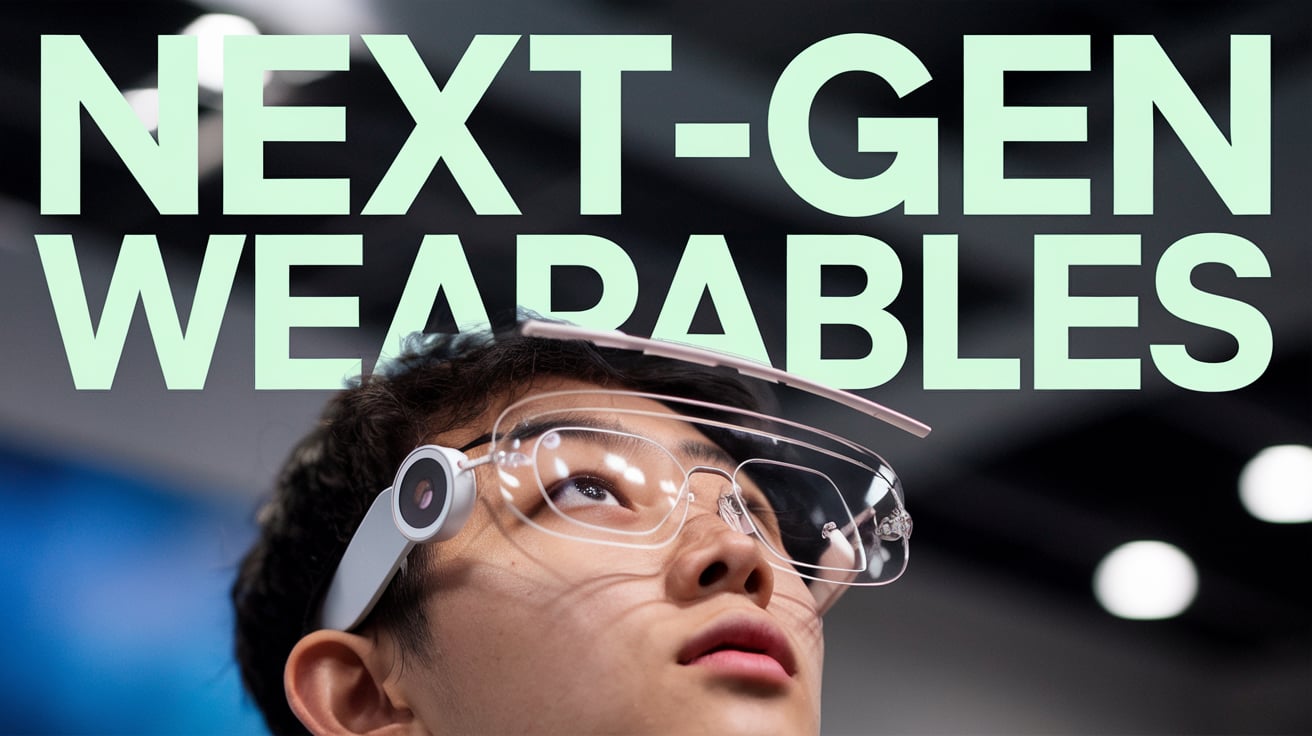
Next-Gen Wearables: How Smart Tech is Shaping Healthcare
Next-Gen Wearables: How Smart Tech is Shaping Healthcare
The rapid integration of smart technology into healthcare is revolutionizing how we approach personal health and well-being. Next-generation wearables, equipped with advanced sensors and analytics, are no longer just fitness trackers—they are evolving into essential tools that monitor health, provide diagnostic insights, and even assist in preventive healthcare. These innovations are dramatically changing how we manage chronic conditions, track our fitness, and interact with healthcare providers. Here’s a look at how smart wearables are reshaping the healthcare landscape, their benefits, challenges, and what the future holds.
A New Era of Personal Health Monitoring
Smart wearables have progressed significantly since the early days of step counters and heart rate monitors. Devices like smartwatches, fitness trackers, and specialized health monitors can now track a wide range of health metrics including heart rate variability, blood oxygen levels, sleep patterns, and even electrocardiogram (ECG) readings. These wearables are powered by sophisticated algorithms that analyze the collected data in real time, providing users with actionable insights into their health.
For instance, Apple’s latest line of smartwatches comes with an ECG feature, capable of detecting irregular heart rhythms such as atrial fibrillation (AFib), a condition associated with increased risk of stroke. Fitbit, Garmin, and other brands offer devices that can monitor blood oxygen levels (SpO2), a critical measurement for conditions like sleep apnea and chronic obstructive pulmonary disease (COPD). These functionalities enable users to track their health in real-time, allowing for early detection of potential problems and the ability to take preventive measures.
Wearables and Chronic Disease Management
One of the most promising applications of next-gen wearables is in managing chronic diseases. Conditions such as diabetes, cardiovascular diseases, and respiratory issues require constant monitoring to prevent complications. Traditionally, this level of monitoring would require frequent visits to healthcare providers, but wearables now allow patients to track their conditions from the comfort of their homes.
For example, continuous glucose monitors (CGMs) like the Dexcom G6 provide real-time glucose readings to individuals with diabetes, enabling them to manage their blood sugar levels more effectively. This is a game-changer for diabetic patients who no longer need to rely solely on finger-prick tests. Additionally, wearables designed for cardiovascular health can track blood pressure, heart rate, and even detect arrhythmias, alerting patients and their healthcare providers to potential risks before they become emergencies.
Respiratory wearables, which track breathing patterns and oxygen saturation levels, are helping patients with chronic conditions like asthma and COPD manage their symptoms more efficiently. These devices can provide early warnings for exacerbations, helping patients avoid emergency situations. By integrating wearables with smartphone apps, users can track their data over time, receive health alerts, and share this data with their healthcare providers for more personalized and informed treatment.
The Role of AI in Wearables
Artificial Intelligence (AI) is playing a critical role in enhancing the capabilities of wearable technology. AI algorithms can process large volumes of health data collected by wearables and detect patterns that may be invisible to the naked eye. Machine learning models are trained on vast datasets, enabling them to predict health events, such as the likelihood of a cardiac arrest or the onset of diabetes-related complications, with impressive accuracy.
For example, Fitbit has introduced an AI-based feature called “Daily Readiness,” which uses data from sleep, heart rate variability, and activity to tell users how prepared their body is for exercise or whether they need rest. Similarly, AI-powered analytics in wearables can detect anomalies in heart rhythms or abnormal breathing patterns, alerting users to seek medical attention if necessary. This form of predictive analytics is moving wearables beyond simple monitoring tools into proactive health management systems.
Moreover, AI is facilitating more personalized healthcare. By analyzing individual health data in real-time, wearables can offer personalized recommendations for diet, exercise, and even medication schedules. This kind of personalized guidance not only helps individuals manage their health more effectively but also reduces the burden on healthcare systems by promoting preventive care.
The Integration of Wearables with Telemedicine
The COVID-19 pandemic accelerated the adoption of telemedicine, and wearables have played a pivotal role in this shift. By integrating wearables with telemedicine platforms, healthcare providers can remotely monitor patients’ health metrics, making virtual consultations more comprehensive and effective. This integration allows doctors to access a patient’s real-time health data, improving diagnostic accuracy and facilitating timely interventions.
For instance, during a virtual consultation, a doctor can review a patient’s heart rate variability, ECG readings, and sleep patterns collected via a smartwatch, gaining a deeper understanding of the patient’s health without requiring an in-person visit. This not only saves time but also reduces the risk of exposure to contagious diseases. Moreover, continuous health monitoring through wearables helps healthcare providers track long-term trends in a patient’s health, enabling better management of chronic conditions and post-surgery recovery.

Challenges Facing Wearable Technology in Healthcare
While the potential of next-gen wearables in healthcare is immense, there are several challenges that need to be addressed to ensure widespread adoption and effectiveness.
Data Privacy and Security: One of the biggest concerns with wearable technology is the handling of sensitive health data. With millions of users generating vast amounts of personal health information, the risk of data breaches or misuse is significant. Companies developing wearable devices must prioritize data encryption and adhere to regulations like the Health Insurance Portability and Accountability Act (HIPAA) to protect user privacy.
Accuracy and Reliability: Another challenge is ensuring the accuracy and reliability of the data collected by wearables. While many devices provide valuable health insights, they are not always as accurate as traditional medical equipment. For instance, discrepancies in heart rate measurements or ECG readings could lead to incorrect diagnoses or unnecessary panic. To overcome this, manufacturers must continue improving sensor accuracy and validating their devices through rigorous clinical trials.
Cost and Accessibility: Although wearable technology has become more affordable in recent years, high-end devices with advanced features remain out of reach for many people. To maximize the impact of wearables on public health, manufacturers and policymakers need to focus on making these devices more accessible to low-income populations. This could involve partnerships with healthcare providers, insurers, or government programs to subsidize costs for those in need.
User Engagement and Long-term Adoption: Another challenge is ensuring long-term engagement. Many users purchase wearables with the intent to monitor their health but may lose interest over time. Manufacturers are increasingly focusing on creating engaging user interfaces, gamification, and personalized recommendations to maintain user interest and encourage consistent usage.
The Future of Wearable Technology in Healthcare
Looking ahead, the future of wearable technology in healthcare is incredibly promising. Innovations like implantable wearables, smart clothing, and even bio-sensing tattoos are pushing the boundaries of what is possible. These devices could monitor health metrics more discreetly and continuously, providing even more valuable insights into our well-being.
Moreover, advancements in nanotechnology and biocompatible materials could lead to wearables that are less invasive, more comfortable, and capable of monitoring more complex health parameters. Imagine a world where a wearable patch could continuously monitor glucose levels, blood pressure, and cholesterol, sending real-time updates to your doctor without you even noticing it’s there.
As the healthcare industry continues to embrace digital transformation, wearables will play an increasingly important role in preventive care, chronic disease management, and personalized medicine. These devices have the potential to reduce healthcare costs by promoting early detection and prevention, improve patient outcomes, and empower individuals to take control of their health like never before.
In conclusion, next-gen wearables are shaping the future of healthcare by transforming how we monitor, manage, and improve our health. With continued advancements in technology and a focus on overcoming the challenges of data privacy, accuracy, and accessibility, wearable technology could lead to a healthier, more connected world. The integration of AI, telemedicine, and continuous monitoring is just the beginning of a revolution in healthcare that promises to make personalized, preventive care the new standard.