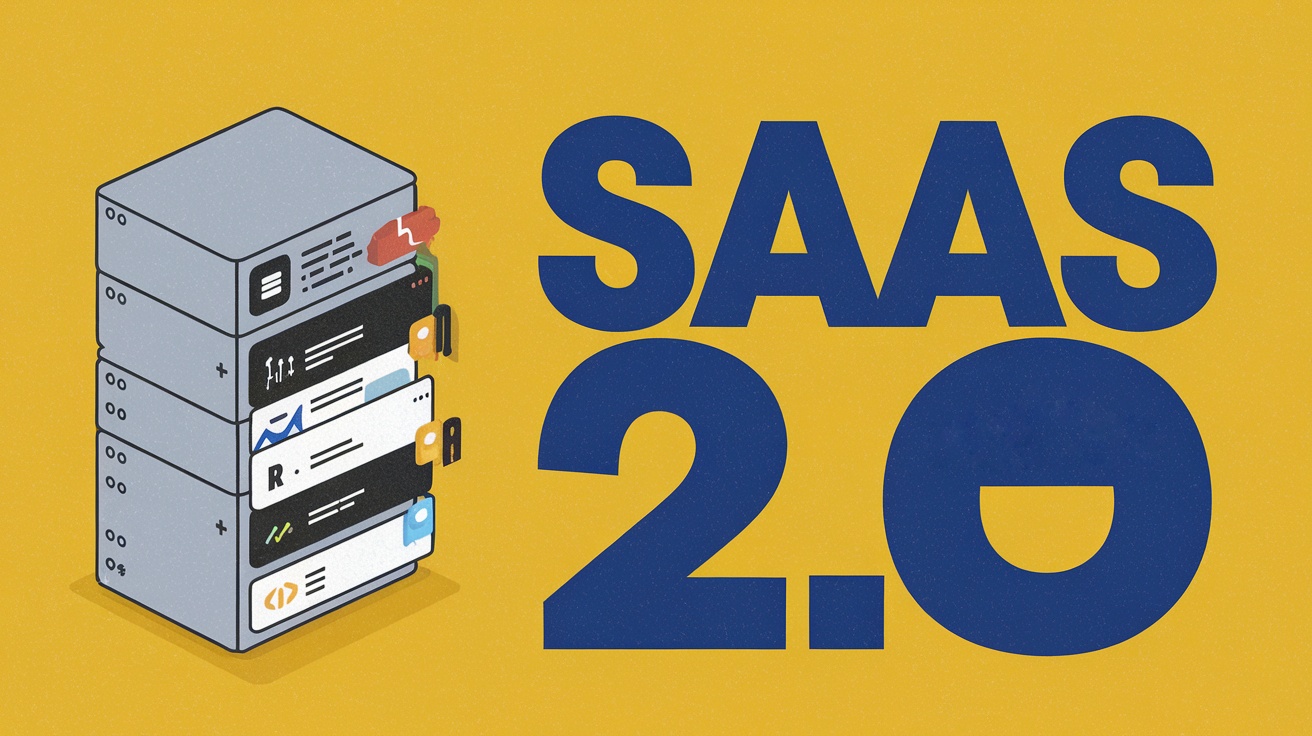
SaaS 2.0: What’s New in the World of Software as a Service?
Introduction
The landscape of software delivery has undergone a radical transformation over the past few years, giving rise to what many refer to as “SaaS 2.0.” While traditional Software as a Service (SaaS) has fundamentally changed how businesses access and utilize software applications, SaaS 2.0 represents the next phase in this evolution—one that leverages advanced technologies, focuses on customer experience, and embraces new business models. In this article, we will explore the key characteristics of SaaS 2.0, its benefits, emerging trends, and the future of software as a service.
Understanding SaaS 2.0
Definition
SaaS 2.0 refers to the next generation of cloud-based software services that build upon the foundational principles of SaaS. It incorporates innovations in technology, user experience, and business models to create a more robust, scalable, and customer-centric software environment. This evolution is driven by the increasing demand for flexibility, agility, and integration in software solutions, reflecting the rapidly changing needs of businesses and users.
Key Features of SaaS 2.0
- AI and Machine Learning Integration: SaaS 2.0 leverages artificial intelligence (AI) and machine learning (ML) to enhance functionality, personalize user experiences, and automate processes.
- Microservices Architecture: Unlike traditional monolithic SaaS applications, SaaS 2.0 solutions often adopt microservices architecture, enabling greater flexibility and scalability. This modular approach allows developers to update individual components without affecting the entire system.
- API-First Development: SaaS 2.0 emphasizes open APIs, enabling seamless integration with third-party applications and services. This facilitates interoperability and allows businesses to create tailored solutions that meet their specific needs.
- Enhanced User Experience: User experience (UX) has become a focal point in SaaS 2.0. Applications are designed with intuitive interfaces, personalized features, and improved accessibility to ensure user satisfaction.
- Subscription and Consumption-Based Pricing: SaaS 2.0 introduces flexible pricing models that cater to different business needs. Subscription models allow businesses to pay based on usage or the number of users, making software more accessible.
- Focus on Security and Compliance: With the growing concern around data security, SaaS 2.0 emphasizes robust security measures and compliance with regulations such as GDPR and HIPAA.
Benefits of SaaS 2.0
- Scalability: SaaS 2.0 solutions are designed to scale effortlessly as businesses grow. The modular architecture allows companies to add or remove features and users according to their needs without significant downtime or infrastructure changes.
- Cost Efficiency: By adopting a subscription model, businesses can better manage their software budgets. SaaS 2.0 solutions often reduce the need for costly on-premises infrastructure and maintenance, allowing organizations to allocate resources more effectively.
- Improved Collaboration: Many SaaS 2.0 applications are built for collaboration, enabling teams to work together in real-time regardless of their geographical location. This is particularly beneficial in a remote work environment where teamwork and communication are essential.
- Enhanced Innovation: The integration of AI and machine learning in SaaS 2.0 drives continuous innovation. Businesses can benefit from features such as predictive analytics, automated insights, and personalized recommendations that evolve over time.
- Greater Flexibility: SaaS 2.0 allows businesses to adapt quickly to changing market conditions. The ability to customize applications and integrate them with existing systems empowers organizations to remain agile and responsive.
Emerging Trends in SaaS 2.0
- AI and Automation: Artificial intelligence and automation are at the forefront of SaaS 2.0. Businesses are leveraging AI-powered tools to automate mundane tasks, analyze large datasets, and gain actionable insights. For example, customer relationship management (CRM) systems are increasingly using AI to predict customer behavior and optimize sales strategies.
- Low-Code and No-Code Platforms: Low-code and no-code platforms are becoming increasingly popular in the SaaS landscape. These tools enable users to develop applications without extensive coding knowledge, allowing business users to create and modify applications quickly. This democratization of application development accelerates innovation and empowers teams to address their specific needs.
- API Economy: The rise of the API economy is shaping SaaS 2.0 by facilitating seamless integration between various software solutions. Companies are increasingly using APIs to connect their applications with third-party services, enabling a more comprehensive ecosystem that enhances functionality and user experience.
- Remote Work Enablement: The COVID-19 pandemic accelerated the shift toward remote work, highlighting the need for collaborative and accessible software solutions. SaaS 2.0 is adapting to this trend by providing tools that enhance remote collaboration, communication, and productivity.
- Focus on User-Centric Design: User experience has taken center stage in SaaS 2.0. Companies are prioritizing user-centric design principles to create intuitive interfaces and enhance overall satisfaction. The emphasis on UX ensures that applications are not only functional but also enjoyable to use.
- Data Privacy and Security: As data breaches become increasingly common, SaaS 2.0 solutions are placing a stronger emphasis on security and compliance. Organizations are adopting advanced security measures, including encryption, multi-factor authentication, and regular security audits, to protect sensitive data.

Use Cases of SaaS 2.0
- Customer Relationship Management (CRM): SaaS 2.0 has transformed CRM systems, allowing businesses to harness AI and automation to manage customer relationships more effectively. Solutions like Salesforce leverage AI to provide insights into customer behavior and preferences, enabling personalized marketing strategies.
- Human Resource Management (HRM): HRM solutions are embracing SaaS 2.0 to streamline recruitment, onboarding, and employee engagement. Platforms like Workday and BambooHR use AI to optimize talent acquisition processes and improve workforce management.
- Project Management: Project management tools like Asana and Trello have evolved into SaaS 2.0 solutions, offering collaborative features, integrations with other applications, and real-time analytics to improve project tracking and team productivity.
- E-commerce Platforms: E-commerce solutions are leveraging SaaS 2.0 to enhance customer experiences. Platforms like Shopify provide businesses with AI-driven insights, personalized recommendations, and seamless payment integrations to optimize online sales.
- Financial Management: SaaS 2.0 is revolutionizing financial management with solutions like QuickBooks Online and Xero, which offer real-time financial reporting, automated invoicing, and integrations with banking services for streamlined operations.
Challenges Facing SaaS 2.0
- Integration Complexities: While APIs facilitate integration, the diversity of applications can lead to complexities in connecting different systems. Organizations must invest time and resources to ensure seamless interoperability between SaaS solutions.
- Data Privacy Concerns: As organizations rely more on cloud-based solutions, concerns about data privacy and security grow. Companies must ensure compliance with regulations and adopt best practices to safeguard sensitive information.
- Dependence on Internet Connectivity: SaaS 2.0 relies heavily on stable internet connectivity. Organizations operating in areas with poor connectivity may face challenges in accessing cloud applications and data.
- Vendor Lock-In: As businesses invest in specific SaaS solutions, they may face vendor lock-in, making it difficult to switch providers without incurring significant costs. Organizations should consider flexibility when selecting SaaS vendors.
- Skill Gap: The rapid evolution of SaaS technologies creates a skill gap, as businesses require employees with expertise in emerging tools and technologies. Organizations must invest in training and development to bridge this gap.
The Future of SaaS 2.0
- Enhanced Personalization: The future of SaaS 2.0 will see a greater focus on personalization. As AI capabilities advance, software solutions will become more adept at tailoring experiences and recommendations to individual users, enhancing engagement and satisfaction.
- Increased Collaboration: SaaS 2.0 will continue to prioritize collaboration tools, enabling teams to work seamlessly across different locations. The integration of communication platforms, project management tools, and file-sharing services will create a more cohesive work environment.
- Expansion of Low-Code/No-Code Solutions: The trend toward low-code and no-code platforms will grow, empowering non-technical users to create and modify applications. This democratization of development will lead to increased innovation and faster adaptation to changing business needs.
- Advanced Analytics and Insights: The integration of advanced analytics will become standard in SaaS 2.0 solutions. Businesses will rely on data-driven insights to inform decision-making and improve operational efficiency, leveraging AI to identify trends and patterns in real time.
- Greater Focus on Sustainability: As organizations increasingly prioritize sustainability, SaaS 2.0 solutions will incorporate features that promote environmentally friendly practices. This may include energy-efficient cloud services and tools for tracking and reducing carbon footprints.
- Continuous Evolution of Security Measures: With the rise in cyber threats, SaaS providers will continuously evolve their security measures. Organizations can expect enhanced encryption, threat detection, and incident response capabilities to protect sensitive data and ensure compliance.
Conclusion
SaaS 2.0 represents a significant evolution in the world of software as a service, driven by advancements in technology and changing business needs. As organizations embrace this new paradigm, they stand to benefit from enhanced scalability, cost efficiency, and improved user experiences.
While challenges remain, the continued innovation in SaaS solutions will pave the way for greater collaboration, personalization, and security. By understanding the key features and trends of SaaS 2.0, businesses can make informed decisions and strategically position themselves for success in the ever-evolving digital landscape.