The Rise of Autonomous Vehicles: Opportunities and Challenges
The Rise of Autonomous Vehicles: Opportunities and Challenges
Autonomous vehicles, often referred to as self-driving cars, have rapidly moved from science fiction to an imminent reality. As advancements in AI, machine learning, and sensor technology continue to evolve, the dream of fully autonomous vehicles is becoming more attainable. Autonomous vehicles promise to revolutionize transportation, bringing numerous opportunities for industries, consumers, and cities. However, with this rise comes a set of complex challenges that need to be addressed for these vehicles to become mainstream.
In this article, we will explore the opportunities created by the rise of autonomous vehicles, the challenges they face, and how they could shape the future of transportation.
1. What Are Autonomous Vehicles?
Autonomous vehicles are cars or trucks that can navigate and operate without human intervention. These vehicles rely on a combination of sensors, cameras, radar, and AI-powered algorithms to perceive their surroundings and make real-time driving decisions. Autonomous vehicles are classified into different levels, ranging from Level 0 (no automation) to Level 5 (full automation) as defined by the Society of Automotive Engineers (SAE):
- Level 0: No automation, full human control.
- Level 1: Driver assistance, where certain functions like adaptive cruise control or lane-keeping assist are automated.
- Level 2: Partial automation, where the car can control both steering and acceleration/deceleration but requires the driver’s attention.
- Level 3: Conditional automation, where the vehicle can drive itself under certain conditions, but the driver must take over if needed.
- Level 4: High automation, where the car can operate independently in most situations but may still require human intervention in some conditions.
- Level 5: Full automation, where the vehicle operates entirely on its own without any human input required.
While most autonomous vehicles currently in development or testing fall within Levels 2 to 4, the ultimate goal is Level 5, where no driver is needed.
2. Opportunities Presented by Autonomous Vehicles
The rise of autonomous vehicles presents several groundbreaking opportunities that can revolutionize how we travel, how cities are designed, and how businesses operate.
1. Improved Safety
One of the most significant benefits of autonomous vehicles is the potential for drastically improved road safety. Human error is the leading cause of traffic accidents, with factors like distracted driving, fatigue, and impaired judgment contributing to collisions. Autonomous vehicles, equipped with AI, sensors, and real-time decision-making capabilities, can reduce these risks by following traffic laws consistently and reacting more quickly to changes in road conditions.
- Reduced Accidents: By eliminating human error, self-driving vehicles could significantly reduce the number of traffic accidents. The National Highway Traffic Safety Administration (NHTSA) estimates that 94% of crashes are caused by human error. Autonomous vehicles can eliminate risks like speeding, drunk driving, and distractions, leading to safer roads.
- Emergency Response: In addition to preventing accidents, autonomous vehicles can play a role in emergency response. AI-powered cars can automatically call emergency services and transmit location data in the event of a collision, reducing response times and potentially saving lives.
2. Increased Mobility for All
Autonomous vehicles have the potential to offer new levels of mobility for individuals who are unable to drive, such as the elderly, disabled, or those without driver’s licenses. For these populations, self-driving cars could provide the freedom to travel independently, improving quality of life and access to essential services.
- Accessibility for the Disabled: For individuals with physical disabilities that limit their ability to drive, autonomous vehicles could offer a new form of independence. AI-driven cars equipped with accessible features like voice control or automated ramps could enable these individuals to travel without relying on others.
- Mobility for the Elderly: The elderly population often faces restrictions in mobility due to physical limitations or medical conditions that prevent them from driving. Autonomous vehicles could give older adults the freedom to travel safely without the need for assistance from family members or caregivers.
3. Efficiency and Reduced Traffic Congestion
Autonomous vehicles have the potential to improve traffic flow and reduce congestion. With AI making real-time decisions, self-driving cars can optimize speed, avoid unnecessary braking, and follow optimal routes based on traffic patterns. Furthermore, autonomous vehicles can communicate with each other, allowing for more efficient coordination in busy areas.
- Optimized Traffic Flow: AI can help reduce traffic congestion by adjusting driving speeds and optimizing routes in real time, reducing stop-and-go traffic and ensuring smoother vehicle flow. This can also minimize emissions and fuel consumption by avoiding the inefficiencies caused by traffic jams.
- Reduced Parking Needs: Self-driving cars may not need to park as close to their destinations. They could drop passengers off and then park themselves in a designated area or continue serving other passengers. This could reduce the need for parking infrastructure in city centers and free up valuable real estate for other uses.
4. Economic Growth and New Business Models
The rise of autonomous vehicles is creating new economic opportunities, from automotive technology development to ride-sharing services and logistics. Companies developing autonomous vehicle technologies are attracting significant investment, and entire industries are emerging around AI-driven mobility.
- New Jobs and Industries: The autonomous vehicle ecosystem is creating new jobs in sectors such as AI, data science, sensor technology, and software engineering. Autonomous vehicle development also stimulates innovation in robotics, telecommunications, and infrastructure.
- Ride-Hailing and Car-Sharing: Autonomous vehicles are expected to play a significant role in the ride-hailing and car-sharing industries. Companies like Uber, Lyft, and Tesla are already exploring self-driving cars as a way to reduce operating costs and offer on-demand transportation services. Fully autonomous ride-sharing fleets could provide more affordable and accessible transportation options for urban dwellers.
- Autonomous Freight and Logistics: The logistics industry could see significant improvements with autonomous trucking and delivery vehicles. Self-driving trucks can operate for longer periods without rest, improving delivery times and reducing costs. In addition, autonomous drones and robots can help optimize last-mile deliveries in urban areas, making e-commerce and supply chain operations more efficient.
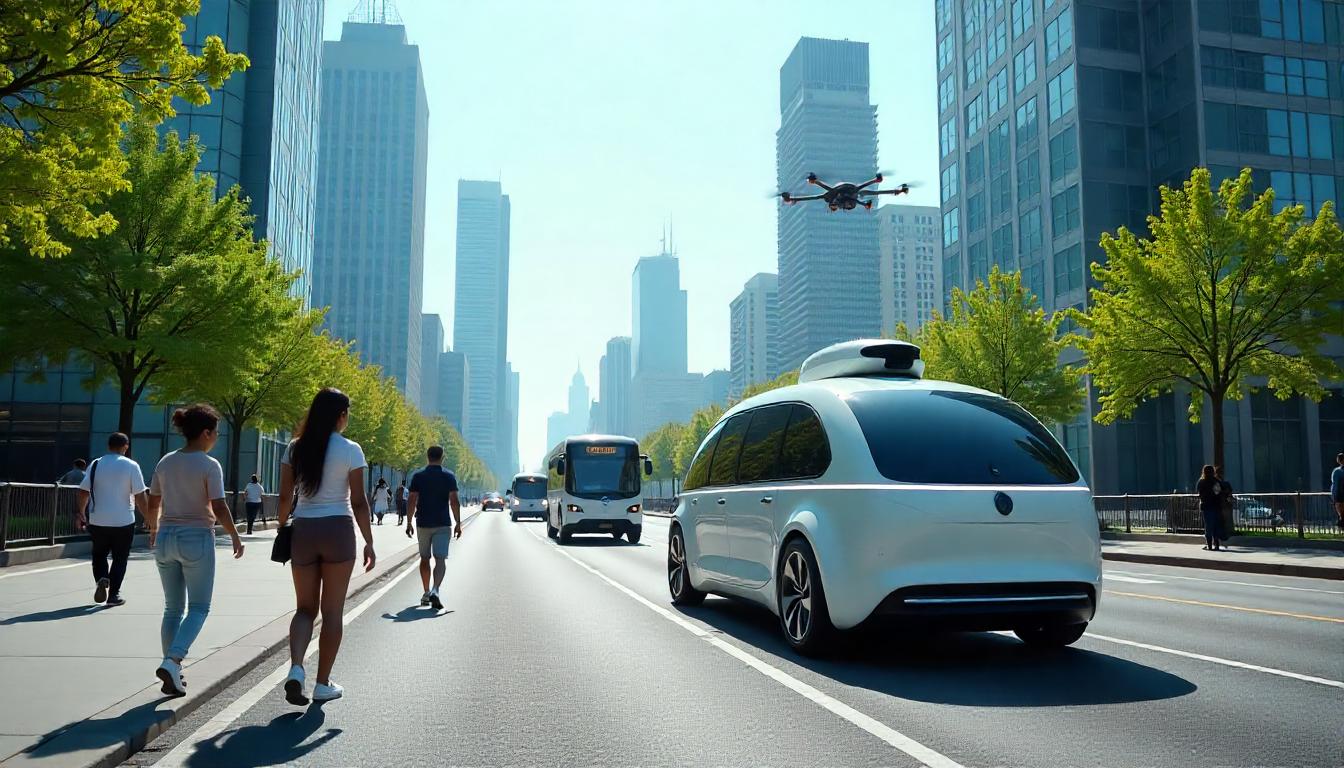
3. Challenges Facing Autonomous Vehicles
Despite the many opportunities, autonomous vehicles face several significant challenges that must be addressed before they can become mainstream.
1. Safety and Trust
While autonomous vehicles have the potential to improve road safety, there is still public skepticism regarding their reliability. High-profile accidents involving self-driving cars have raised concerns about whether these vehicles can handle complex driving environments, particularly when unexpected situations arise.
- Public Acceptance: Building trust in autonomous vehicle technology is critical for widespread adoption. Many people are wary of relinquishing control to a machine, especially when it comes to personal safety. Manufacturers must demonstrate the safety and reliability of self-driving systems through rigorous testing and transparent communication about the technology’s capabilities and limitations.
- Edge Cases and Ethical Dilemmas: One of the biggest challenges in developing autonomous vehicles is preparing them to handle “edge cases”—rare, unexpected situations that are difficult to predict. These can include anything from a pedestrian jaywalking to an unexpected object in the road. Ethical dilemmas, such as deciding between two potentially harmful outcomes (e.g., swerving to avoid a pedestrian but endangering the passengers), also pose challenges for AI decision-making in autonomous vehicles.
2. Regulatory and Legal Challenges
The regulatory landscape for autonomous vehicles is still in its infancy. Governments and regulatory bodies need to develop comprehensive frameworks that address safety, liability, insurance, and privacy concerns surrounding self-driving cars.
- Liability and Insurance: One of the key legal questions surrounding autonomous vehicles is determining liability in the event of an accident. If a self-driving car is involved in a collision, who is responsible—the manufacturer, the software developer, or the passenger? Legal frameworks must evolve to address these questions and clarify liability in autonomous driving scenarios.
- Global Regulation: Autonomous vehicle regulation will vary by region, which could create challenges for manufacturers and developers seeking to deploy their vehicles across borders. Coordinating international standards for self-driving technology, data privacy, and safety protocols will be essential for the global adoption of autonomous vehicles.
3. Infrastructure and Technological Requirements
For autonomous vehicles to operate at full potential, significant upgrades to existing infrastructure and technology are required. This includes developing smart roads, improving 5G networks for real-time data communication, and building charging stations for electric autonomous vehicles.
- Smart Infrastructure: To communicate with autonomous vehicles, cities will need to upgrade their infrastructure. This includes smart traffic lights, road sensors, and real-time data communication systems. Implementing these changes requires large investments from both the public and private sectors.
- Data Security and Privacy: Autonomous vehicles collect