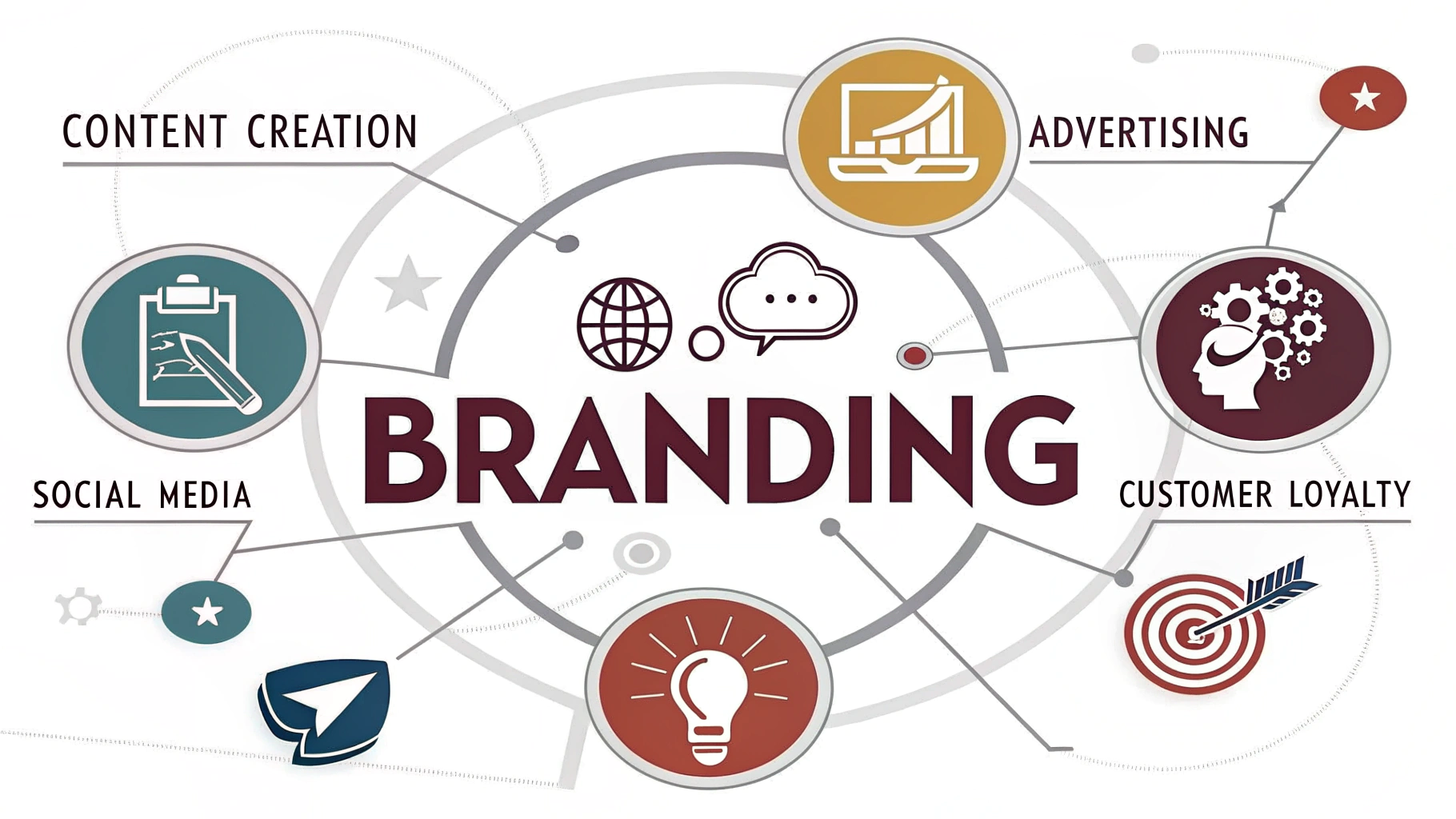
Why Branding Is the Foundation of Every Great Marketing Strategy
Why Branding Is the Foundation of Every Great Marketing Strategy
In the noisy and competitive world of business, companies are constantly fighting for attention. Products may be similar. Services can be replicated. But one thing that cannot be easily copied is your brand. Branding goes far beyond a logo, a tagline, or a catchy name—it’s the emotional and psychological relationship you build with your audience. And it’s the backbone of every successful marketing strategy.
Great marketing campaigns come and go, but a strong brand endures. It’s the foundation that supports all your marketing efforts. Without it, even the best marketing tactics will lack cohesion, purpose, and long-term impact. Let’s explore why branding is not just important but foundational to every great marketing strategy.
1. Branding Builds Recognition and Trust
Think of the brands you trust most. Maybe it’s Apple, Nike, or Starbucks. What do they have in common? Consistency, clarity, and credibility. These qualities didn’t happen by accident—they are the result of deliberate branding.
Branding creates a recognizable identity that helps customers remember your business. But more than that, it builds trust. When your branding is consistent across all touchpoints—website, packaging, social media, customer service—it sends a message of reliability and professionalism. People are more likely to buy from brands they know and trust.
Trust is the currency of modern marketing, and branding is how you earn it.
2. It Gives Your Marketing a Clear Voice and Personality
A strong brand defines who you are. It gives your business a voice, a tone, and a personality that customers can connect with. This clarity informs every marketing message you create.
Imagine you’re a skincare brand targeting young, eco-conscious consumers. Your brand might adopt a friendly, youthful tone, and your visuals might be clean and earthy. If your branding is clear, then your content, ads, packaging, and even your product names will reflect this identity.
Without clear branding, your marketing messages might feel disjointed or generic. With it, everything becomes unified and intentional. Branding ensures your message sounds like you—and not like everyone else.
3. Branding Differentiates You from the Competition
In markets saturated with similar products, branding becomes your most powerful differentiator. Why do people pay more for a Starbucks coffee when a local shop sells it for half the price? It’s not just the coffee—it’s the experience, the familiarity, the story. That’s branding at work.
Your brand tells people what makes you unique. Whether it’s your mission, values, customer experience, or design aesthetics, your brand highlights your distinctiveness in a sea of sameness.
In marketing, this differentiation is gold. When your brand is strong, your marketing doesn’t just sell products—it tells a story only you can tell.
4. It Creates Emotional Connection
Humans are emotional beings. We don’t just buy based on logic; we buy based on how we feel. Branding taps into these emotions.
Think about brands like Dove or Coca-Cola. Their marketing doesn’t just promote soap or soda—it promotes self-esteem and happiness. That’s the power of emotional branding. It creates deeper relationships with customers, turning them into fans and even advocates.
Emotional connections lead to loyalty, and loyalty leads to repeat business. Your marketing strategy becomes far more effective when it’s grounded in a brand that resonates emotionally.
5. It Drives Consistency Across All Channels
Marketing today happens everywhere—social media, email, websites, billboards, podcasts, and beyond. If your brand isn’t consistent across these channels, your audience will be confused.
Consistency breeds familiarity. Branding provides a set of guidelines (visual identity, tone of voice, messaging pillars) that ensure every piece of content feels like it’s coming from the same place.
A great marketing strategy leverages this consistency to build a seamless, recognizable presence across all platforms. Whether someone sees your Instagram post or your storefront, they should immediately know it’s you.
6. Branding Increases Marketing Efficiency
Without a strong brand, every marketing campaign is like starting from scratch. You’ll constantly have to reinvent your voice, messaging, and visuals. This leads to inefficiencies and diluted impact.
When your brand is well-defined, your marketing team can move faster and smarter. Everyone—from designers to copywriters to media buyers—knows the playbook. Your campaigns become more cohesive and your content creation becomes streamlined.
In essence, branding is a strategic shortcut. It provides a clear foundation, so your marketing doesn’t waste time figuring out what to say or how to say it.

7. It Supports Long-Term Growth and Loyalty
Marketing is not just about getting attention today—it’s about creating relationships that last. Branding is what keeps customers coming back even after the campaign ends.
When people align with your brand’s values, aesthetics, or mission, they’re more likely to stay loyal. And loyal customers aren’t just repeat buyers—they’re your biggest marketers. They refer friends, write reviews, and share your content organically.
A brand isn’t built overnight. But when it is built thoughtfully, it becomes the engine for long-term marketing success.
8. Branding Influences Internal Culture and Alignment
Great marketing starts from within. When your employees understand and believe in your brand, they become ambassadors of your message.
Clear branding helps align your team around a common purpose. It inspires your staff, informs how they speak to customers, and fosters a sense of pride and ownership. This internal alignment leads to more authentic marketing efforts and better customer experiences.
If your team doesn’t know what your brand stands for, your audience won’t either.
9. It Enhances Perceived Value
People don’t always buy based on the cheapest price—they buy based on perceived value. Branding is what elevates that perception.
Luxury brands like Rolex or Louis Vuitton don’t just sell watches or handbags—they sell status, craftsmanship, and exclusivity. That’s why branding allows them to charge a premium.
Even in less glamorous industries, strong branding can raise your perceived value. It makes customers believe in your quality and justifies your pricing. Effective marketing strategies use branding to shape these perceptions and increase profitability.
10. Branding Makes Your Business Memorable
Finally, the best marketing strategy in the world won’t matter if no one remembers you.
Branding sticks. A memorable logo, a compelling story, a unique tone—these elements live in the minds of your audience long after your ad is gone. Marketing captures attention; branding helps you stay there.
This memorability is crucial in competitive markets. When it’s time to choose a product or service, people go with the brand they remember and feel good about.
Conclusion: Branding First, Marketing Second
You can’t build a house without a foundation—and you can’t build a great marketing strategy without branding. Marketing might get people in the door, but branding keeps them there. It’s what turns first-time buyers into lifelong fans.
So before you pour time and money into your next marketing campaign, take a step back and ask: What does my brand stand for? Is it clear? Is it consistent? Is it compelling?
If the answer is yes, then you’re not just marketing—you’re building a brand that lasts.