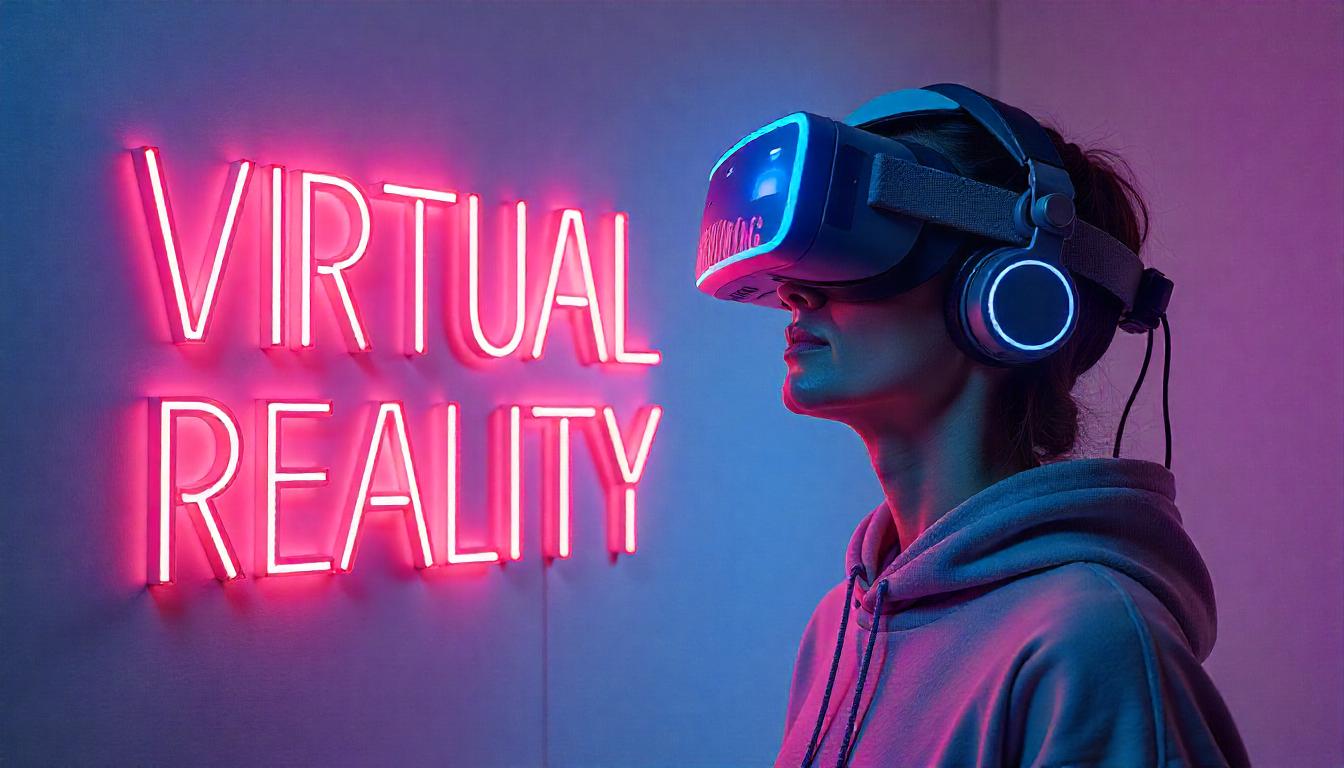
The Role of Virtual Reality in E-commerce Experiences in 2025
The Role of Virtual Reality in E-commerce Experiences in 2025
Introduction: The Immersive Potential of Virtual Reality in E-commerce
Virtual reality (VR) technology has moved beyond gaming and entertainment, finding new applications in industries like healthcare, education, real estate, and now, e-commerce. By 2025, VR is expected to be a core component of the online shopping experience, offering consumers a more immersive, interactive, and personalized way to browse and purchase products. Unlike traditional e-commerce, which relies on two-dimensional images and descriptions, VR enables shoppers to “step inside” a digital store, interact with products as they would in a physical store, and make more informed purchasing decisions. This article explores how VR will redefine e-commerce experiences by 2025, creating value for consumers and businesses alike through enhanced visualization, personalized shopping, and innovative virtual stores.
1. VR Showrooms and Virtual Shopping Environments
Transforming Online Shopping Spaces
One of the primary applications of VR in e-commerce is the creation of virtual showrooms and shopping environments that replicate the feel of a physical store. By wearing a VR headset, customers can enter a fully immersive virtual store where they can navigate aisles, browse products, and interact with items just as they would in a brick-and-mortar store.
How Virtual Stores Will Work in 2025
- Product Exploration: Consumers will be able to pick up, rotate, and view products in 3D. For example, in a furniture store, customers can see how a sofa or dining table looks from every angle, check details like textures, and even customize features like color or fabric.
- Interactive Sales Reps: Some virtual stores may even feature AI-powered virtual assistants or sales representatives who can guide customers through the shopping experience, answer questions, provide recommendations, and suggest complementary products.
- Seamless Shopping Journey: VR shopping environments can be designed with intuitive navigation, allowing customers to quickly find product categories, view curated collections, and seamlessly add items to the shopping cart.
Impact on E-commerce: By 2025, VR-powered virtual showrooms will provide e-commerce businesses with a new way to engage customers, increasing conversion rates by giving them a more interactive and confident shopping experience. This immersion can also reduce return rates, as customers can explore and inspect products more thoroughly before making a purchase.
2. Virtual Try-Ons and Personalized Fitting Experiences
Revolutionizing Apparel and Accessory Shopping
One of the challenges of online shopping, especially in apparel and accessories, is the inability to try items on. VR will address this by offering virtual try-on solutions, allowing customers to see how clothing, shoes, accessories, or even makeup look on their digital avatars before purchasing.
Advancements by 2025
- Personalized Avatars: Customers can create virtual avatars based on their real-life measurements and body types. This means clothing brands can offer accurate virtual try-ons, allowing customers to see exactly how an outfit will look on their body.
- Realistic Fitting Rooms: Virtual fitting rooms will simulate different lighting environments and allow users to view themselves from multiple angles. This will make online apparel shopping more accurate and reduce the likelihood of returns due to sizing or style issues.
- Makeup and Accessories: VR technology will also extend to makeup and accessories, enabling customers to see how different products look on their face or with various outfits, creating a highly personalized shopping experience.
Impact on E-commerce: Virtual try-on technology will reduce one of the biggest barriers to online apparel shopping: the inability to try before buying. By enabling customers to make more confident and personalized choices, VR try-ons will decrease return rates and enhance customer satisfaction, providing a competitive advantage for brands that invest in this technology.
3. Enhanced Product Visualization for Complex Purchases
Making High-Stakes Purchases Easier
For high-value items such as cars, real estate, and luxury goods, VR allows customers to explore these products in detail without visiting a physical showroom. This type of visualization is especially helpful for purchases that involve complex decision-making and customization options.
Applications in 2025
- Automobile Shopping: Car dealerships will offer VR experiences that allow potential buyers to explore vehicle interiors, test various configurations, and view customizations such as paint color, upholstery, and tech features, all from home.
- Real Estate Tours: Real estate agencies will use VR to provide virtual tours of properties. Prospective buyers can move through rooms, check views, examine details, and even “renovate” or furnish spaces to see how they might look with different layouts or decor.
- Luxury Goods: For items like jewelry, luxury handbags, and fine art, VR can allow customers to closely inspect the craftsmanship, materials, and intricate details that are often important for high-end purchases.
Impact on E-commerce: By enabling buyers to interact with complex and high-value items in detail, VR will give consumers the confidence to make larger online purchases. For businesses, this means an expanded audience reach and the ability to sell premium products without needing a physical location.
4. Social Shopping and Virtual Shopping Parties
Bringing Social Interaction to Online Shopping
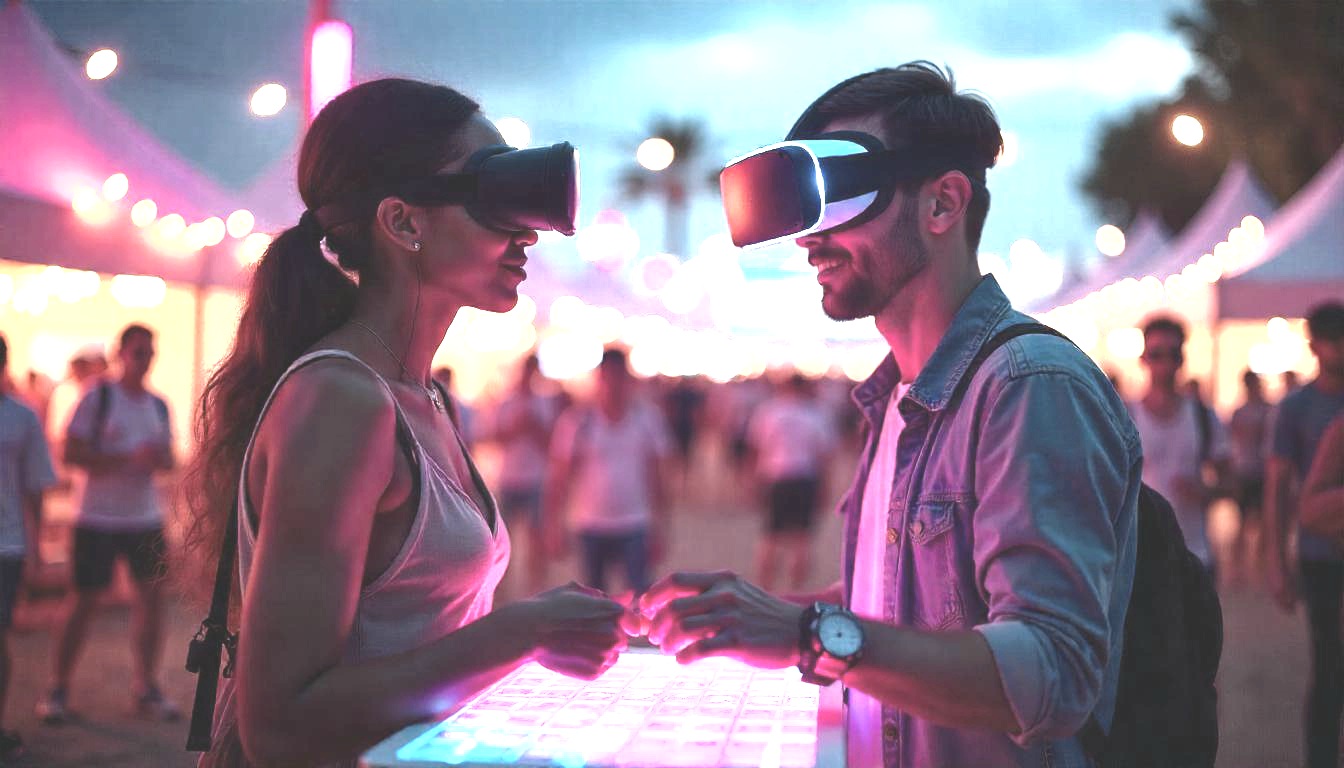
Social shopping is a growing trend, and VR will take it to the next level by creating virtual spaces where friends, family, and even influencers can shop together. By 2025, VR social shopping experiences will be common, making online shopping a more communal and interactive activity.
How Social Shopping Will Work in 2025
- Virtual Shopping Parties: Friends can meet in a virtual store, browse products together, and offer each other feedback in real-time, much like they would in a mall. This feature can appeal to a range of demographics, especially younger shoppers who value social experiences.
- Influencer Shopping Events: E-commerce platforms can host virtual events where customers join influencers in VR stores, allowing influencers to demonstrate products, try on items, and answer questions. This creates a unique and engaging way for brands to connect with fans and drive sales.
- Real-Time Recommendations: VR social shopping will also allow customers to get product recommendations from both friends and virtual sales associates, blending social feedback with expert guidance.
Impact on E-commerce: Social VR shopping will appeal to consumers looking for interactive and engaging online experiences, helping brands build a loyal community around their products. For businesses, it’s an opportunity to create memorable customer experiences, drive engagement, and harness the influence of social interactions to boost conversions.
5. VR-Driven Brand Immersion and Storytelling
Creating Immersive Brand Experiences
With VR, brands can go beyond product showcases and create entire worlds where customers can experience the essence of the brand. By 2025, VR will be a powerful tool for storytelling, allowing brands to immerse customers in interactive narratives that reflect their values, history, and vision.
Examples of Brand Storytelling in VR
- Interactive Brand Worlds: For instance, a sportswear brand might create a virtual experience where customers explore a rugged outdoor environment, testing products in simulated weather conditions or participating in virtual adventure challenges.
- Product Origins and Craftsmanship: Luxury and artisanal brands can use VR to take customers “behind the scenes,” showing how products are crafted, the materials used, and the brand’s commitment to sustainability.
- Engaging Brand Missions: Brands can create interactive VR stories that align with their mission. For example, an eco-friendly brand could offer a virtual journey that educates customers on environmental impact and allows them to make more conscious choices.
Impact on E-commerce: VR-driven brand immersion will provide brands with a unique way to engage customers emotionally and build loyalty. By giving customers an interactive, sensory experience, brands can stand out in a competitive market and create a memorable connection with their audience.
Personalizing the VR Shopping Journey
In 2025, e-commerce platforms will use data from past purchases, browsing behavior, and preferences to create highly personalized VR shopping experiences. This goes beyond product recommendations, providing a tailored shopping environment for each user.
How Personalization Will Work
- Curated Product Displays: Based on shopping history, VR stores will display products that align with each customer’s preferences, showing the most relevant items upfront.
- Tailored Virtual Environments: For instance, if a customer frequently shops for outdoor gear, their VR experience might take place in a virtual forest or mountain setting.
- Custom Promotions and Discounts: Personalized promotions will be embedded in the VR shopping experience, with exclusive offers and targeted discounts that encourage customers to make a purchase.
Impact on E-commerce
Personalized VR experiences will increase customer satisfaction by making shopping more relevant and engaging. For businesses, personalized VR environments can boost conversion rates, build customer loyalty, and provide valuable data for optimizing future experiences.
Conclusion: The Future of VR in E-commerce
By 2025, virtual reality will play a central role in e-commerce, transforming how consumers browse, evaluate, and purchase products online. From immersive virtual showrooms and personalized fitting experiences to social shopping and brand storytelling, VR will create new ways for customers to connect with brands and make confident purchasing decisions. Businesses that embrace VR will gain a competitive edge by offering a differentiated shopping experience that goes beyond what traditional e-commerce can provide.
As VR technology advances, e-commerce will evolve from simple online transactions to dynamic, interactive, and personalized experiences that closely replicate — or even enhance — the in-store shopping experience. With VR, the future of e-commerce promises to be more immersive, engaging, and customer-centric than ever before.