Digital Twins in Manufacturing: Opportunities and Challenges in 2025
Digital Twins in Manufacturing: Opportunities and Challenges in 2025
The manufacturing industry has always been a cornerstone of technological innovation, and as we progress into 2025, digital twins are redefining the landscape. Digital twins – virtual representations of physical assets, processes, or systems – leverage real-time data, machine learning, and simulations to provide deep insights and predictive capabilities. These digital counterparts are transforming manufacturing by enabling enhanced control, monitoring, and optimization of processes. However, like any groundbreaking technology, digital twins come with both immense opportunities and significant challenges.
This blog delves into the opportunities and challenges of digital twins in manufacturing, highlighting how they’re shaping the industry in 2025 and the considerations for successful adoption.
What are Digital Twins?
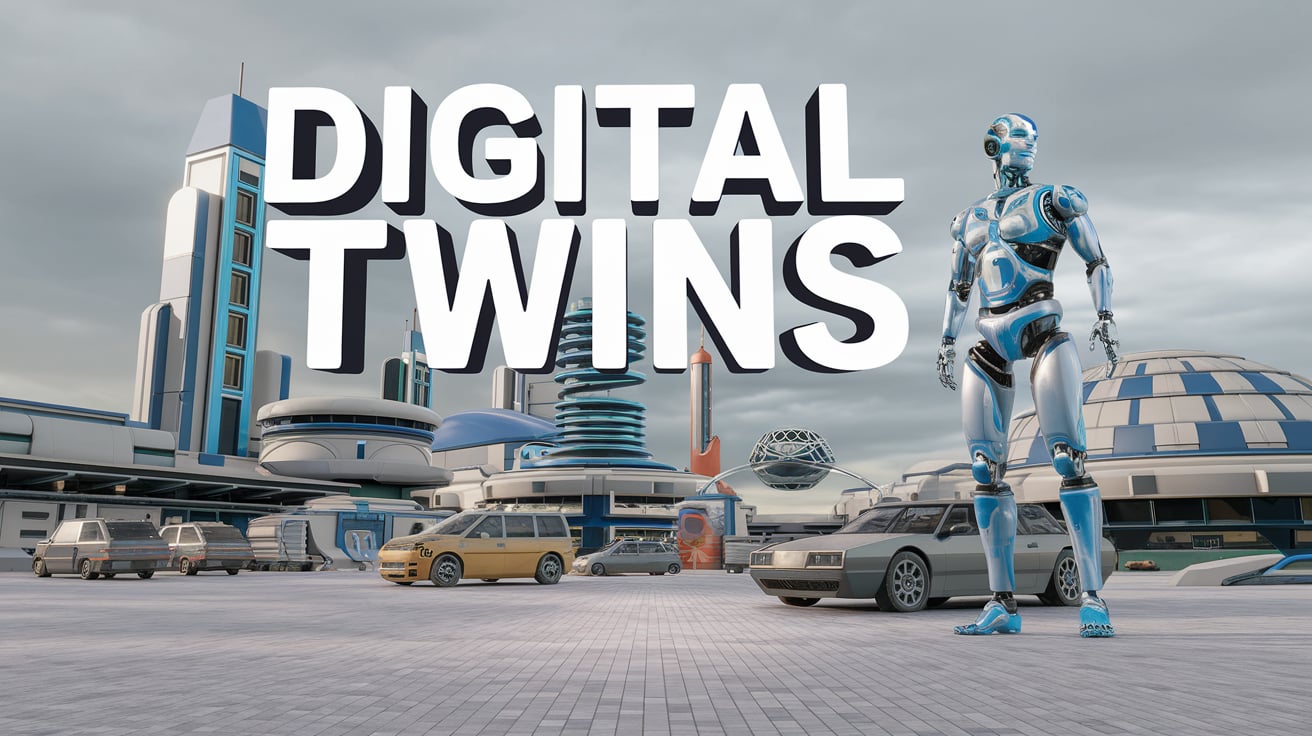
A digital twin is a highly sophisticated digital model that reflects the physical and functional properties of an actual asset, such as a machine, production line, or even an entire manufacturing facility. These twins are dynamic, evolving alongside their real-world counterparts and continuously updated with real-time data captured from IoT sensors and devices.
In manufacturing, digital twins go beyond simple representations. They offer a comprehensive view of equipment performance, product life cycles, and process flows, creating a feedback loop that drives improvements in efficiency, quality, and sustainability. With the advent of more advanced AI, machine learning, and data analytics, digital twins have become more precise and actionable, making them a valuable tool in predictive maintenance, process optimization, and resource management.
Opportunities Presented by Digital Twins in Manufacturing
Optimizing Production Processes
One of the most transformative benefits of digital twins in manufacturing is the ability to optimize production processes. Digital twins can simulate production lines, identify bottlenecks, and analyze alternative configurations, allowing manufacturers to optimize workflows without disrupting operations. By using digital twins to simulate the entire production process, manufacturers can experiment with variables like throughput, speed, and resource allocation, leading to more efficient operations.
For example, a digital twin of an assembly line can predict how a change in machinery speed or material flow impacts productivity and quality. Manufacturers can test these adjustments virtually before implementing them on the floor, minimizing downtime and maximizing output.
Enhancing Predictive Maintenance
Predictive maintenance is one of the most popular applications of digital twins in manufacturing. By continuously monitoring equipment health through real-time data, digital twins can predict when machinery is likely to fail or require maintenance, allowing manufacturers to address issues before they become costly problems.
In 2025, predictive maintenance with digital twins has advanced to the point where machine learning algorithms can analyze patterns and identify early warning signs of wear or malfunction. For instance, a digital twin of an industrial robot can monitor temperature, vibration, and other performance indicators to detect anomalies that may indicate a potential breakdown. This proactive approach to maintenance helps reduce unplanned downtime, extend equipment lifespan, and lower maintenance costs.
Enabling Quality Control and Assurance
Quality control is essential in manufacturing, and digital twins offer a powerful tool for ensuring product quality. By comparing real-time production data with ideal performance parameters, digital twins can identify deviations and trigger alerts for corrective actions. In 2025, digital twins have become integral in manufacturing environments that prioritize quality control, such as pharmaceuticals, aerospace, and automotive industries.
For example, in automotive manufacturing, digital twins can monitor the precise alignment of components during assembly, ensuring that each part meets quality standards. This not only improves product quality but also reduces waste and rework costs. Additionally, digital twins can trace defects back to their root causes, helping manufacturers implement corrective measures and prevent future quality issues.
Improving Supply Chain Management
Digital twins offer a new level of transparency and control over the supply chain. By creating digital representations of suppliers, logistics networks, and inventory levels, manufacturers can optimize the entire supply chain, improving responsiveness and reducing costs. In 2025, digital twins are enabling manufacturers to model supply chain disruptions, simulate alternative logistics routes, and forecast inventory needs based on real-time demand data.
For example, during a disruption in material supply, a manufacturer with digital twins of its supply chain can quickly analyze alternative suppliers or transportation methods, minimizing the impact on production. This agility in supply chain management is particularly valuable in a global economy that remains vulnerable to unexpected events.
Accelerating Product Development and Prototyping
Digital twins also accelerate the product development process. Virtual prototypes enable manufacturers to test and refine product designs before committing to physical prototypes, significantly reducing the time and cost associated with development.
In 2025, manufacturers are using digital twins to simulate product behavior under different conditions, from extreme temperatures to high stress. For instance, an electronics manufacturer can create a digital twin of a new device and test its thermal properties in various environments. This helps identify potential design flaws early in the process, reducing time-to-market and enhancing product quality.
Challenges in Adopting Digital Twins in Manufacturing
Data Security and Privacy Concerns
The integration of digital twins into manufacturing environments brings a heightened risk of data security and privacy issues. Digital twins rely on a continuous flow of real-time data, often transmitted through IoT devices and cloud systems, which makes them vulnerable to cyberattacks. Protecting sensitive data, especially intellectual property and production information, is a significant concern.
In 2025, manufacturers are prioritizing cybersecurity for digital twin implementations, employing encryption, access controls, and secure communication protocols. However, as digital twins become more interconnected and complex, cybersecurity remains a top challenge. Manufacturers must invest in robust cybersecurity frameworks and continuously update protocols to protect their digital twins from evolving threats.
High Implementation Costs
While digital twins offer long-term savings and efficiency gains, the initial costs can be prohibitive for some manufacturers. Building a digital twin requires a substantial investment in IoT sensors, software, and data analytics infrastructure, as well as skilled personnel to manage and interpret data.
In 2025, cost remains a challenge, particularly for small to medium-sized manufacturers. However, there are emerging solutions, such as pay-per-use models and cloud-based digital twin platforms, that make this technology more accessible. Collaborative partnerships and government incentives may also help offset costs, making digital twins a viable option for more manufacturers.
Complexity in Data Integration
Creating a digital twin that accurately reflects a manufacturing process requires the integration of data from multiple sources, including IoT devices, enterprise resource planning (ERP) systems, and production management software. This data integration can be challenging, especially for manufacturers with legacy systems that are incompatible with modern digital twin platforms.
In 2025, data integration remains a barrier for many manufacturers. The need for seamless connectivity and interoperability across various systems requires a robust data architecture. Manufacturers are increasingly turning to standardized protocols and middleware solutions to streamline data integration, but the complexity of harmonizing data from disparate sources is still a significant challenge.
Skills Gap and Workforce Training
The implementation of digital twins demands a workforce skilled in data science, AI, and digital technologies. However, there is a shortage of workers with these skills, creating a talent gap that can hinder the effective adoption of digital twins in manufacturing.
To address this, manufacturers are investing in workforce training and collaborating with educational institutions to develop relevant curricula. In 2025, this skills gap continues to be a challenge, but initiatives like on-the-job training, certification programs, and apprenticeships are helping to build the necessary expertise. Upskilling existing employees and attracting new talent will be essential for manufacturers to fully realize the potential of digital twins.
Ensuring Data Accuracy and Reliability
For a digital twin to be effective, the data it receives from its physical counterpart must be accurate and reliable. Inaccurate data can lead to incorrect predictions and suboptimal decisions, potentially harming production quality and efficiency.
In 2025, ensuring data accuracy and reliability remains a priority. Manufacturers are implementing rigorous data validation processes and leveraging AI to detect anomalies in real-time. Regular calibration of IoT sensors and continuous monitoring of data quality are critical to maintaining the integrity of digital twins.
The Future of Digital Twins in Manufacturing
Looking ahead, digital twins are poised to play an even more central role in manufacturing. As technology advances, digital twins will become more sophisticated, incorporating real-time AI decision-making and enhanced connectivity through 5G and edge computing. The ability to create entire “digital factories” – where every process, machine, and product has a digital counterpart – will redefine manufacturing operations, enabling unparalleled levels of automation, customization, and efficiency.
Moreover, as sustainability becomes a greater focus in manufacturing, digital twins will contribute by enabling manufacturers to optimize resource usage, reduce waste, and monitor environmental impact. Digital twins will also support circular economy initiatives by providing insights into product life cycles, making it easier to design products for reuse, recycling, and remanufacturing.
Conclusion: Navigating the Path Forward
In 2025, digital twins offer transformative opportunities in manufacturing, from predictive maintenance to supply chain optimization. By providing real-time insights and predictive capabilities, digital twins are enabling manufacturers to operate more efficiently, maintain high-quality standards, and accelerate innovation. However, challenges related to data security, implementation costs, data integration, skills gaps, and data accuracy require careful consideration.
For manufacturers, the