A Pakistani SME Guide to GDPR, CCPA, and Data Privacy Compliance
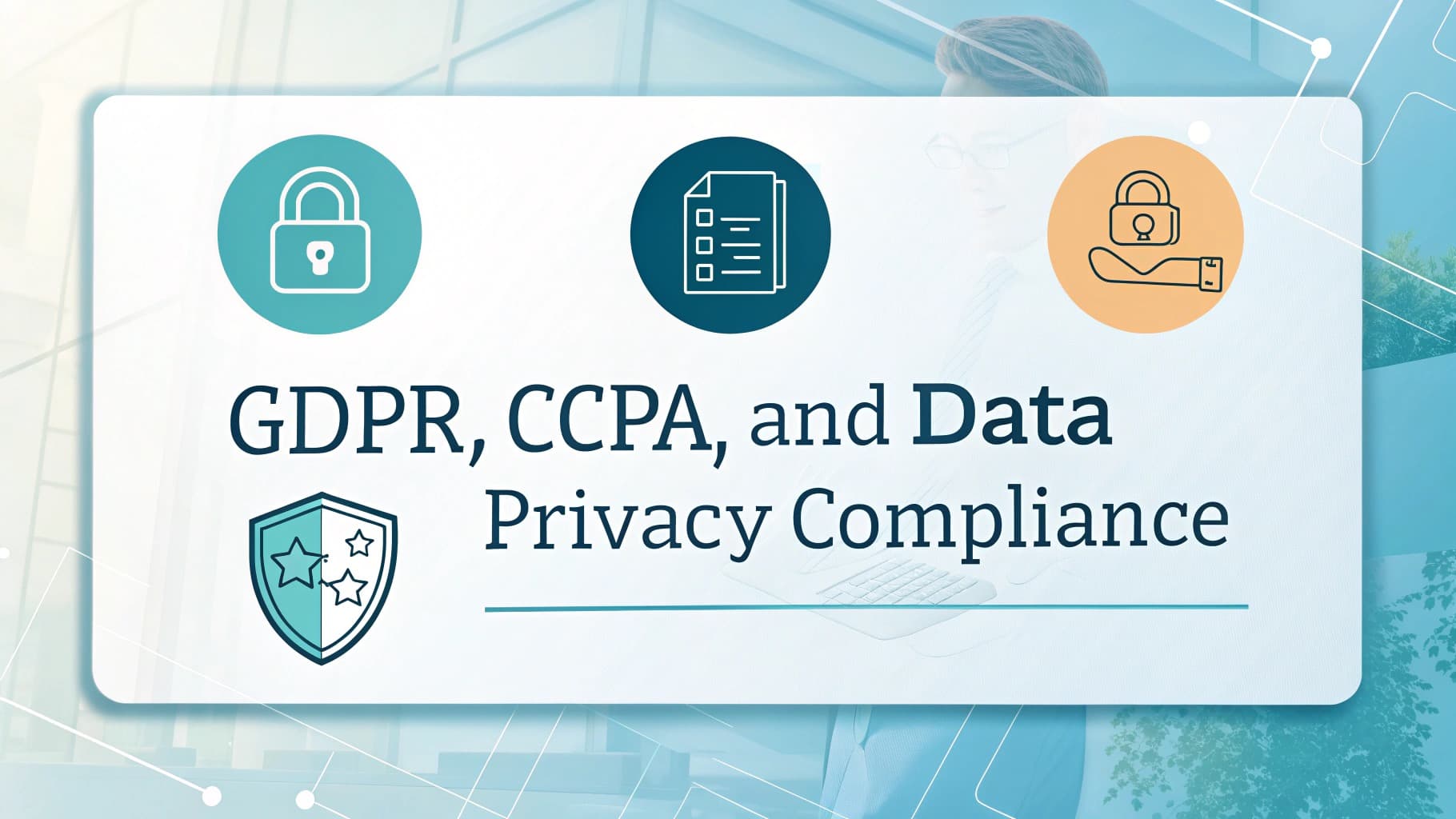
A Pakistani SME Guide to GDPR, CCPA, and Data Privacy Compliance
By Dreams Lab
In today’s digital economy, data is currency — but mishandling it comes at a cost. Global regulations like the GDPR (General Data Protection Regulation) and CCPA (California Consumer Privacy Act) are forcing businesses — big or small — to handle customer data more responsibly. But what about Pakistani SMEs?
Whether you’re a SaaS startup serving global clients, a Shopify store targeting Europe, or a local service provider collecting emails, understanding data privacy laws is no longer optional — it’s a business survival skill.
At Dreams Lab, we help SMEs and startups in Pakistan adopt smart, scalable, and legally sound digital strategies. In this blog, we break down:
- What GDPR and CCPA really mean
- How they apply to Pakistani businesses
- Practical steps to get compliant — even on a budget
📜 What Are GDPR and CCPA?
🛡️ GDPR – General Data Protection Regulation
- Enforced since May 2018
- Applies to anyone handling the personal data of EU citizens
- Affects businesses globally — even if they’re not based in Europe
Key rights under GDPR:
- Right to access personal data
- Right to delete data (right to be forgotten)
- Consent before collecting/processing data
- Data breach notification within 72 hours
- Clear privacy notices
Penalties: Up to €20 million or 4% of annual revenue — whichever is higher.
🔒 CCPA – California Consumer Privacy Act
- Enforced since January 2020
- Applies to businesses handling personal data of California residents
- Less strict than GDPR, but still serious
CCPA rights include:
- Right to know what data is collected
- Right to delete personal data
- Right to opt-out of data sale
- Protection from discrimination for exercising rights
Penalties: Up to $7,500 per violation — more if there’s a data breach.
🌍 Why Should Pakistani SMEs Care?
“We’re a small company in Lahore — these are Western laws. Why should we worry?”
1. You Have International Users
Do you sell on Amazon, Fiverr, Upwork, Etsy, or Shopify?
Do you run a SaaS platform or a newsletter that collects emails from the EU or US?
➡️ If yes, you’re likely legally required to comply with GDPR or CCPA.
2. Global Clients Expect It
Many international partners, especially in Europe or the US, require their vendors to be compliant. Non-compliance could cost you deals.
3. Pakistan’s Own Data Privacy Law Is Coming
The Personal Data Protection Bill (PDPB) — modeled closely on GDPR — is expected to be enforced soon. Pakistani SMEs that prepare early will be ahead of the curve.
🧩 What Counts as Personal Data?
Any data that can identify an individual, directly or indirectly:
- Name, email, phone number
- IP address, location
- Cookies, device ID
- Financial, medical, or behavioral data
- Customer preferences
🎯 If you collect any of this — through your website, CRM, ads, or analytics — you need to follow data privacy protocols.
📦 Common SME Scenarios & What to Do
🛍️ Shopify Store Selling to Europe
- Collects names, addresses, and emails
- Uses Google Analytics and Facebook Pixel
You must:
- ✅ Show cookie consent banner
- ✅ Have a privacy policy
- ✅ Allow users to opt-out of data tracking
- ✅ Secure user data (HTTPS, encrypted storage)
🖥️ SaaS Startup with International Users
- Offers free sign-up with email
- Stores usage data and preferences
You must:
- ✅ Add GDPR-compliant opt-in at registration
- ✅ Allow users to delete their account/data
- ✅ Document data flows (who has access, where it’s stored)
- ✅ Notify users quickly if there’s a data breach
🧾 Freelancer or Consultant with EU/US Clients
- Stores client emails, invoices, call recordings
You must:
- ✅ Get written consent for storing personal data
- ✅ Use secure storage (e.g., encrypted cloud tools)
- ✅ Remove client data on request
🛠️ How to Get Compliant — Without a Huge Budget
✅ 1. Map Your Data
Understand what personal data you collect and where it’s stored:
- Website forms
- CRM or email platforms
- Analytics tools
- Third-party integrations (Stripe, Mailchimp, etc.)
🎯 Create a simple spreadsheet — this becomes your “data inventory.”
✅ 2. Update Your Privacy Policy
Make your data practices transparent. Include:
- What data you collect
- Why you collect it
- How long you keep it
- How users can access/delete their data
- Who you share it with
📄 Use GDPR/CCPA-compliant privacy policy generators like Termly, Iubenda, or get legal review.
✅ 3. Get Consent Before Collecting Data
Especially for:
- Email marketing (use double opt-in)
- Cookies (use cookie banners that allow opt-out)
- Contact forms and sign-ups
Tools to use: CookieYes, ConvertKit, Mailchimp
✅ 4. Let Users Access or Delete Their Data
Add a simple contact form or email process for users to:
- Request their data
- Delete their data
- Revoke consent
🌐 Example: “Want to view or delete your data? Email privacy@yourcompany.com”
✅ 5. Use Secure Tools & Hosting
Choose providers that are GDPR-compliant and offer:
- HTTPS (SSL certificate)
- Encrypted storage
- Access controls
- Regular backups
Recommended tools: ProtonMail, DigitalOcean, AWS, Zoho, HubSpot
✅ 6. Train Your Team
Even if you’re a 5-person startup — everyone handling customer data should:
- Understand what counts as personal data
- Know how to respond to data requests
- Avoid storing data in insecure ways (e.g., spreadsheets on desktops)
🧠 Data awareness is culture, not just policy.
✅ 7. Have a Breach Plan
Even the best systems can be compromised. Have a simple plan to:
- Detect breaches
- Notify users and authorities within 72 hours (GDPR rule)
- Fix the issue and document everything
🎯 Tools like Datadog, Sentry, and Google Alerts can help monitor unusual activity.

🧠 Pro Tip: Data Minimization Is Key
Only collect what you absolutely need.
Less data = lower risk + easier compliance.
Ask yourself:
- Do I really need their birth date?
- Why am I storing old leads from 2018?
Purge unused data regularly — it’s good hygiene.
🌱 Start Small, Scale Responsibly
You don’t have to go from 0 to full GDPR compliance overnight.
Start with:
- A basic privacy policy
- Opt-in email flows
- Cookie banners
- Team education
Then move toward:
- Full data audits
- Automated deletion policies
- Third-party compliance checks
💡 How Dreams Lab Helps
At Dreams Lab, we help Pakistani SMEs and startups:
- Set up GDPR/CCPA-compliant websites and apps
- Integrate data consent and access flows
- Choose privacy-first tools
- Draft privacy policies and data maps
- Train teams on ethical data handling
Whether you’re a product founder or eCommerce seller, we make privacy compliance practical, affordable, and scalable.
Final Thoughts
Data privacy isn’t just about avoiding fines — it’s about building trust with your users. In a digital-first economy, trust is your brand’s strongest currency.
Regulations like GDPR and CCPA may seem like a burden, but they’re actually an opportunity to stand out — especially if you’re targeting international customers.
The earlier you start, the easier it gets. And when Pakistan’s own data protection law rolls out, you’ll already be ready.
🚀 Ready to Make Your Business Privacy-First?
Let Dreams Lab help you design and implement a data protection strategy that works — for your users, your business, and your future.
📩 hello@dreamslab.pk
🔗 dreamslab.pk
💬 LinkedIn: @DreamsLab
Bonus: Checklist for Pakistani SMEs
- 🟩 Have a privacy policy
- 🟩 Use cookie consent banners
- 🟩 Get opt-in for email marketing
- 🟩 Let users access/delete their data
- 🟩 Use secure hosting and tools
- 🟩 Train your team
- 🟩 Prepare a breach response plan
Would you like this content as a PDF checklist, LinkedIn carousel, or internal training deck? Let us know — we’ll build it for you.