
AI-Powered Cybersecurity How Machine Learning Detects Threats Before You Do
AI-Powered Cybersecurity: How Machine Learning Detects Threats Before You Do
By Dreams Lab
In today’s hyperconnected world, every click, transaction, and login generates data — and potential risk. Traditional cybersecurity models, based on static rules and reactive responses, are no longer fast or smart enough. Enter AI-powered cybersecurity: a transformative approach where machine learning (ML) continuously monitors, learns, and neutralizes cyber threats — often before humans are even aware.
At Dreams Lab, we help businesses build digital systems that are not only smart but also secure. This blog explores how artificial intelligence is reshaping cybersecurity — especially for emerging markets like Pakistan, where cyber threats are escalating and skilled resources are scarce.
🔐 Why Cybersecurity Needs AI
Cybercriminals no longer use one-size-fits-all attacks. They evolve, adapt, and strike with increasing sophistication. Phishing emails now bypass spam filters. Malware hides in encrypted traffic. Insider threats go undetected until it’s too late.
Here’s what traditional security systems struggle with:
- Static rule-based detection
- High false positives
- Inability to scale with data growth
- Delayed response time
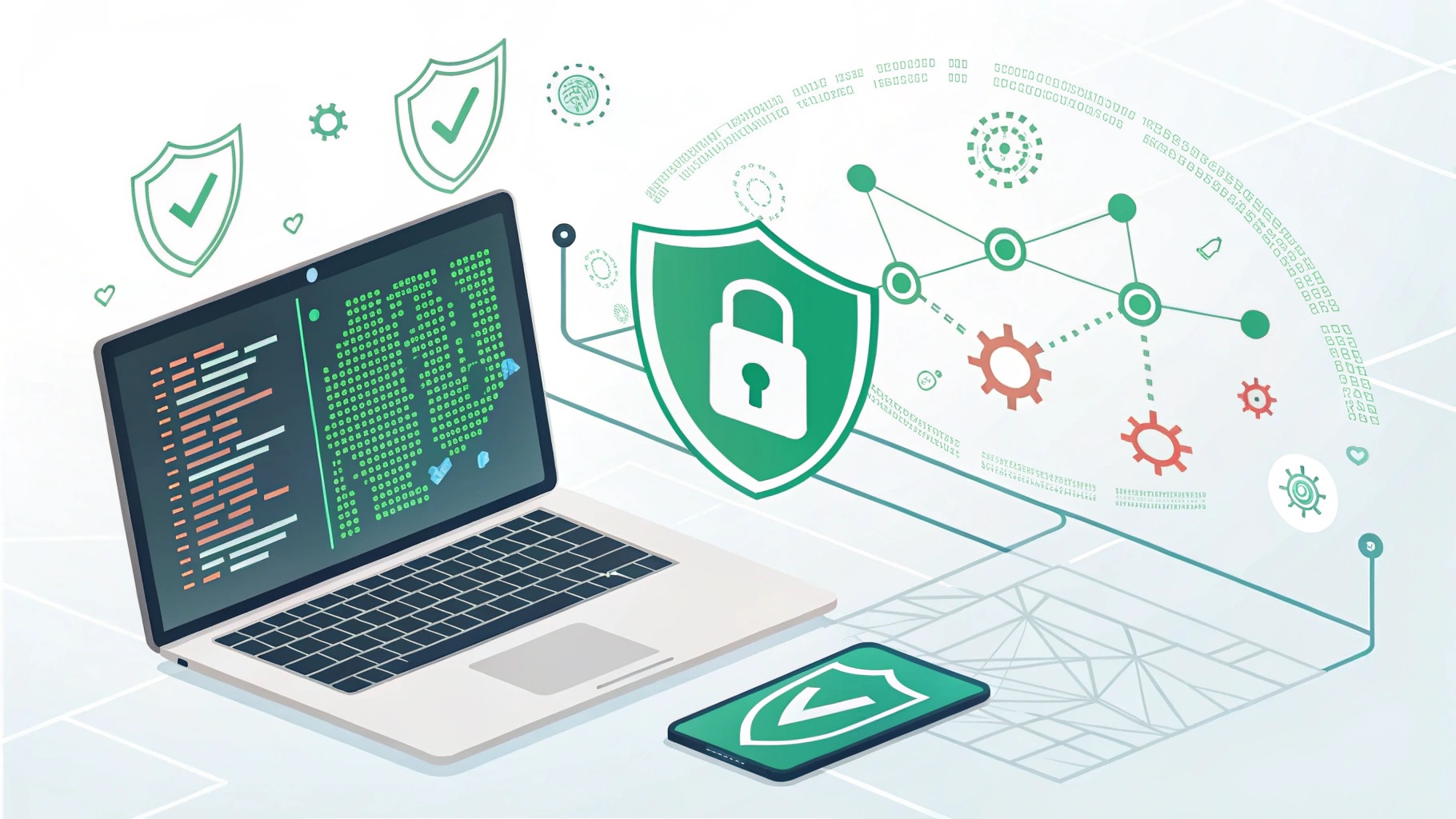
💡 That’s where AI and machine learning step in — to provide real-time, adaptive, and scalable defense.
🧠 How Machine Learning Enhances Cybersecurity
Machine learning models “learn” from data — historical attack logs, user behavior, system anomalies — and then identify patterns or deviations that signal a threat.
1. Anomaly Detection
ML algorithms define a “baseline” of normal system behavior — and then flag unusual activities.
Example: A user normally logs in from Lahore, 9–5. Suddenly, there’s a login from Russia at 3 a.m. — AI catches it instantly.
🎯 Applications: Insider threat detection, compromised account activity, malware behavior monitoring.
2. Threat Classification
Using labeled datasets, ML models classify known threats — e.g., phishing, ransomware, spyware — by analyzing traffic patterns, payloads, and headers.
- Improve detection accuracy
- Reduce false positives
- Spot never-before-seen variants of known attacks
3. Predictive Threat Intelligence
By studying past breaches and system logs, AI models predict where attacks are likely to happen next — enabling proactive defense.
Imagine your firewall not just blocking attacks but predicting new ones based on global threat trends.
4. Automated Response & Remediation
AI-driven security platforms like XDR (Extended Detection & Response) don’t just detect — they:
- Isolate infected devices
- Kill malicious processes
- Alert security teams with context and recommendations
This enables real-time, hands-free threat neutralization.
📊 Real-World Use Cases of AI in Cybersecurity
🏦 1. Banking & FinTech
- AI detects fraudulent transactions in milliseconds.
- Behavioral biometrics (e.g., typing speed, mouse movement) verify users.
- ML-powered fraud detection systems monitor anomalies 24/7.
✅ Result: Fewer chargebacks, higher customer trust, better compliance.
🏥 2. Healthcare
- Protecting patient data from ransomware
- Monitoring connected medical devices (IoMT)
- Detecting insider threats in hospital IT systems
⚠️ Healthcare data is 3x more valuable to hackers than credit card info — AI is now a must-have, not a luxury.
🏫 3. Education & Remote Workplaces
- AI guards cloud platforms like Google Workspace, Zoom, or Teams
- Flags unusual login behavior across IPs
- Monitors shared file activity to prevent leaks
👩💻 As universities and companies go remote, AI helps scale secure access across geographies.
🇵🇰 Why This Matters for Pakistan
Cybercrime in Pakistan has been on the rise:
- In 2023 alone, over 90,000 complaints were filed with NR3C (FIA Cybercrime Wing)
- Financial and eCommerce platforms are frequent targets
- Phishing and fake loan apps are spreading rapidly
Challenges:
- Shortage of trained cybersecurity professionals
- Manual threat response delays
- Lack of threat intelligence sharing
AI offers a fast, scalable, and cost-effective layer of defense — especially for:
- Banks and FinTech apps
- Telecom operators
- Government portals
- Health and education systems
- Growing SaaS startups
🛠️ AI Tools & Platforms Used in Cybersecurity
| Tool | Purpose |
|---|---|
| Darktrace | Self-learning AI for enterprise threat detection |
| CrowdStrike Falcon | Endpoint protection powered by ML |
| Cylance (BlackBerry) | Predictive malware blocking |
| IBM QRadar + Watson | AI-assisted SIEM and SOC automation |
| Microsoft Defender AI | Cloud-based protection with real-time AI defense |
✅ These tools are now available as cloud-based services — accessible to SMEs in Pakistan and beyond without huge infrastructure costs.
🧩 Building an AI-Ready Cybersecurity Stack: Step-by-Step
1. Start with Data Collection
Your logs are gold. AI can only learn if you feed it quality data:
- Access logs
- DNS and firewall logs
- Email traffic
- Endpoint behavior
🎯 Set up centralized log management first (e.g., ELK Stack, Splunk, or Graylog).
2. Deploy AI-Enhanced Threat Detection
- Anomaly detection
- Behavioral analytics
- Threat intelligence feeds
- Automated incident response
3. Automate Response for Known Threats
AI can:
- Block IPs in real-time
- Quarantine suspicious files
- Alert human analysts only when needed
🧠 This helps your IT team focus on complex threats, not routine alerts.
4. Train Staff and Build a Culture of Cyber Awareness
AI doesn’t replace human security — it enhances it.
Use tools like:
- AI-based phishing simulations (e.g., KnowBe4)
- Behavior-based access alerts
- Role-based access models
👨💼 Combine AI insights with regular team training for maximum protection.
🚨 AI ≠ Magic: Limitations to Watch Out For
- Bias in training data → False negatives/positives
- Over-reliance on automation → Can miss nuanced threats
- Adversarial AI → Hackers are using AI too
🔐 AI is powerful — but works best as part of a layered security approach with human oversight and ethical frameworks.
🤝 How Dreams Lab Helps
At Dreams Lab, we help businesses:
- Evaluate and integrate AI-powered security tools
- Build intelligent dashboards for threat visibility
- Automate incident response using Python/ML/Cloud tools
- Train internal teams on data handling and cybersecurity best practices
Whether you’re a bank, healthtech startup, or SaaS platform, we build AI-first security layers tailored to your risk profile.
Final Thoughts
The cybersecurity landscape is evolving — and so are the attackers. AI is no longer optional. It’s the frontline defense for any modern organization.
From anomaly detection to automated response, AI helps companies:
- Stay ahead of threats
- Reduce response time from hours to seconds
- Scale security without hiring dozens of analysts
In countries like Pakistan — where resources are tight and threats are growing — AI-powered cybersecurity isn’t just innovative. It’s essential.
🚀 Want to Make Your Business AI-Secure?
Let Dreams Lab help you deploy the tools, talent, and tactics to protect what matters.
📩 hello@dreamslab.pk
🔗 dreamslab.pk
💬 LinkedIn: @DreamsLab
Bonus for LinkedIn Carousel:
- “🔐 AI in Cybersecurity: Detecting Threats Before They Happen”
- “Problem: Traditional systems are too slow, too reactive.”
- “Solution: AI learns patterns, flags anomalies, blocks attacks in real time.”
- “Use Cases: Banking 🏦 | Health 🏥 | Education 🧑🏫 | Remote Work 🌍”
- “Pakistan needs this. 90,000+ cyber complaints in 2023 alone.”
- “AI ≠ Magic. But it’s the smartest defense we’ve got.”
- “Let’s build your AI-first security strategy. 💬 Contact Dreams Lab.”