Applications of Blockchain Beyond Cryptocurrency in 2025
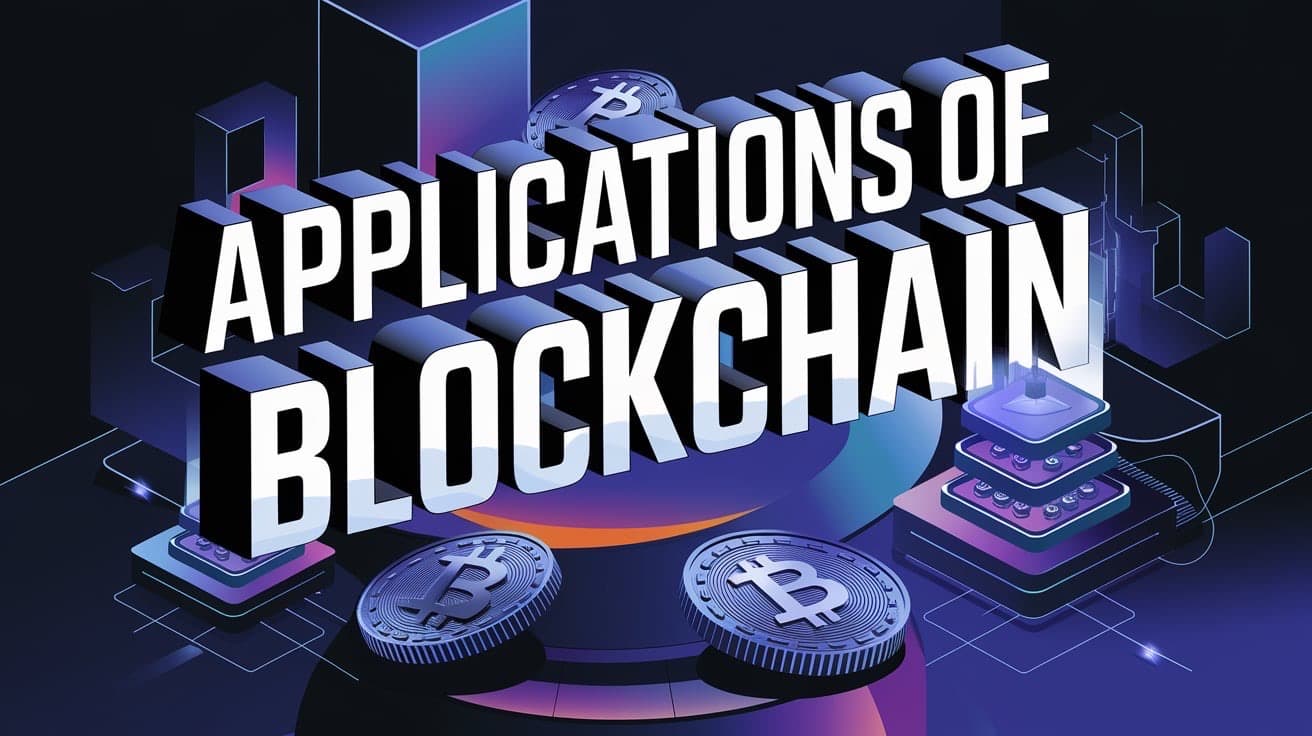
Applications of Blockchain Beyond Cryptocurrency in 2025
Blockchain technology, once synonymous with cryptocurrency, has evolved far beyond digital currencies. In 2025, blockchain has matured into a transformative technology impacting a wide array of industries, from supply chain management and healthcare to energy and voting systems. By providing decentralized, transparent, and secure ways of storing and sharing information, blockchain has introduced new efficiencies and possibilities across sectors, reshaping how data is handled, transactions are verified, and trust is built.
This blog explores the diverse applications of blockchain technology beyond cryptocurrency, examining how it is driving innovation, its benefits, and the challenges it faces as it becomes more embedded in our everyday lives.
1. Supply Chain Management
Blockchain has proven to be a valuable tool for enhancing transparency, traceability, and accountability in supply chains. With its immutable ledger, blockchain enables all participants in the supply chain to record every stage of a product’s journey, from raw materials to the final consumer. By 2025, blockchain has become a mainstream tool for global supply chains, enabling greater transparency and efficiency.
Real-Time Tracking and Provenance
Blockchain allows companies to verify the authenticity and origin of their products in real time. For instance, food and beverage companies use blockchain to track products from farm to table, providing proof of origin and ensuring compliance with food safety standards. Similarly, fashion brands use blockchain to verify the ethical sourcing of materials, appealing to consumers who prioritize sustainability.
Improved Efficiency and Reduced Fraud
In addition to traceability, blockchain improves supply chain efficiency by automating documentation processes through smart contracts. These digital contracts are self-executing and can trigger actions, such as payments, automatically when conditions are met. For example, when goods are received and verified on the blockchain, the system can automatically release payments to suppliers, reducing delays and minimizing the risk of fraud.
2. Healthcare and Medical Data Management
In the healthcare sector, blockchain is addressing challenges related to data security, interoperability, and patient privacy. The technology’s decentralized structure enables secure and transparent data sharing, making it easier for healthcare providers to access accurate patient information while maintaining confidentiality.
Patient Data Security and Ownership
In 2025, patients have greater control over their personal health data through blockchain-based systems. Blockchain enables patients to grant temporary access to their health records, empowering them to control who views their information. This is especially useful when patients visit new healthcare providers, allowing them to securely share their medical history without compromising privacy.
Clinical Trials and Research
Blockchain is also being used to enhance transparency and trust in clinical trials and medical research. By recording research data on a blockchain, stakeholders can verify that data has not been tampered with, ensuring the integrity of trial results. This application has been particularly valuable in reducing fraud in clinical trials and increasing public trust in research outcomes.
3. Decentralized Finance (DeFi) and Banking
While decentralized finance (DeFi) began within the realm of cryptocurrency, it has expanded to offer a wide range of blockchain-based financial services, challenging traditional banking systems. DeFi platforms allow for peer-to-peer lending, borrowing, and trading without intermediaries, offering users more autonomy over their finances.
Peer-to-Peer Lending and Borrowing
In 2025, DeFi platforms enable individuals and small businesses to access loans directly from other users, bypassing traditional banks and their associated fees. Blockchain’s transparency allows lenders to assess risk through on-chain data and smart contracts, which enforce repayment terms and collateral requirements, automating the lending process and increasing financial inclusivity.
International Payments and Remittances
Blockchain has also revolutionized cross-border payments and remittances, reducing transaction costs and eliminating delays associated with conventional banking systems. By allowing near-instantaneous transfers, blockchain technology has made it easier for individuals to send money internationally, benefiting migrant workers and their families.
4. Voting and Governance
One of the most promising applications of blockchain in 2025 is in voting and governance. Blockchain-based voting systems offer transparency, security, and immutability, making them ideal for elections and other decision-making processes that require public trust and verifiability.
Transparent and Tamper-Proof Voting
Blockchain-based voting systems provide a secure and transparent way to conduct elections. Voters can cast their votes digitally, and blockchain’s immutability ensures that these votes cannot be altered or tampered with. Voters can even verify that their vote was counted correctly, increasing public trust in the electoral process.
Decentralized Autonomous Organizations (DAOs)
DAOs are organizations governed by code rather than centralized leadership, where members vote on decisions via blockchain. In 2025, DAOs are used by communities, corporations, and non-profits to make collective decisions in a transparent and democratic way. Through DAOs, blockchain is helping reshape corporate governance, making it more accessible and accountable.

5. Intellectual Property and Digital Rights Management
Blockchain offers a powerful solution for intellectual property (IP) management and digital rights by creating a transparent and tamper-proof record of ownership. This is particularly valuable for creators, artists, and content producers who face challenges in protecting their works from unauthorized use.
Copyright and Ownership Verification
In 2025, blockchain is widely used to verify copyright and ownership claims. Artists, musicians, and writers can register their work on the blockchain, creating an immutable record of ownership and authorship. This reduces disputes over IP rights and enables creators to monetize their work more effectively.
Royalties and Fair Compensation
Smart contracts enable automatic royalty payments to creators whenever their work is used or sold, ensuring they receive fair compensation. For example, musicians can receive royalties directly when their songs are streamed, reducing reliance on intermediaries and increasing transparency in revenue distribution.
6. Real Estate and Property Management
The real estate industry is traditionally burdened with lengthy paperwork and high transaction costs. Blockchain is streamlining property transactions, making them more efficient, transparent, and secure.
Property Transactions and Title Management
In 2025, blockchain-based platforms allow real estate transactions to be completed quickly and securely. Property titles are recorded on the blockchain, providing a clear, tamper-proof record of ownership. This reduces the risk of fraud, simplifies the transfer process, and eliminates the need for intermediaries.
Fractional Ownership and Real Estate Investment
Blockchain also enables fractional ownership, allowing investors to purchase shares of real estate properties rather than whole assets. This opens up new opportunities for small investors to participate in real estate markets, democratizing investment and increasing liquidity in the real estate sector.
7. Energy and Sustainability
Blockchain is playing an important role in energy management and sustainability by supporting decentralized energy systems, enabling peer-to-peer energy trading, and facilitating carbon credit tracking.
Peer-to-Peer Energy Trading
In 2025, blockchain-based platforms enable individuals with solar panels or other renewable energy sources to sell excess energy directly to their neighbors, creating a decentralized energy grid. This reduces the need for centralized energy providers and promotes renewable energy adoption.
Carbon Credit Tracking and Environmental Impact
Blockchain is also used to track carbon credits, allowing companies to verify their environmental impact and meet sustainability goals. By recording carbon credits on a blockchain, companies can ensure transparency and accountability in their sustainability efforts, making it easier to meet regulatory requirements and address environmental concerns.
8. Identity Verification and Personal Data Management
Identity verification is another area where blockchain technology has proven to be highly beneficial. In 2025, blockchain-based identity solutions are enabling individuals to manage their digital identities securely and share personal information selectively.
Self-Sovereign Identity
Blockchain enables self-sovereign identities, where individuals control their identity information and grant access to third parties as needed. This is particularly useful for online services, as users can prove their identity without revealing sensitive information, reducing the risk of identity theft and data breaches.
Streamlined KYC Processes
Blockchain is also being used to streamline Know Your Customer (KYC) procedures in banking and finance, reducing the time and cost associated with identity verification. Once verified, users can share their KYC status with multiple institutions without repeating the process, enhancing user experience and improving regulatory compliance.
9. Insurance and Risk Management
Blockchain technology is transforming the insurance industry by making claims processing and policy management more efficient, transparent, and reliable.
Automated Claims Processing
Smart contracts automate claims processing by verifying conditions and triggering payouts based on preset criteria. For instance, if a flight is delayed, a travel insurance policy on the blockchain could automatically process a payout to affected passengers without requiring a claim to be filed, enhancing customer satisfaction.
Parametric Insurance and Disaster Relief
In 2025, parametric insurance policies are common in areas affected by natural disasters. These policies are triggered by predefined events, such as a hurricane reaching a certain strength, and payouts are automated using blockchain. This reduces delays and ensures timely assistance to those in need.
Conclusion
As we move into 2025, blockchain technology continues to disrupt traditional industries and offer new opportunities for innovation and growth. Its applications are vast and varied, and while challenges such as scalability and regulation remain, the potential for blockchain to transform sectors ranging from healthcare to real estate is undeniable. As more industries adopt blockchain, we can expect it to play an even more significant role in our everyday lives, enhancing security, transparency, and efficiency in countless ways.