
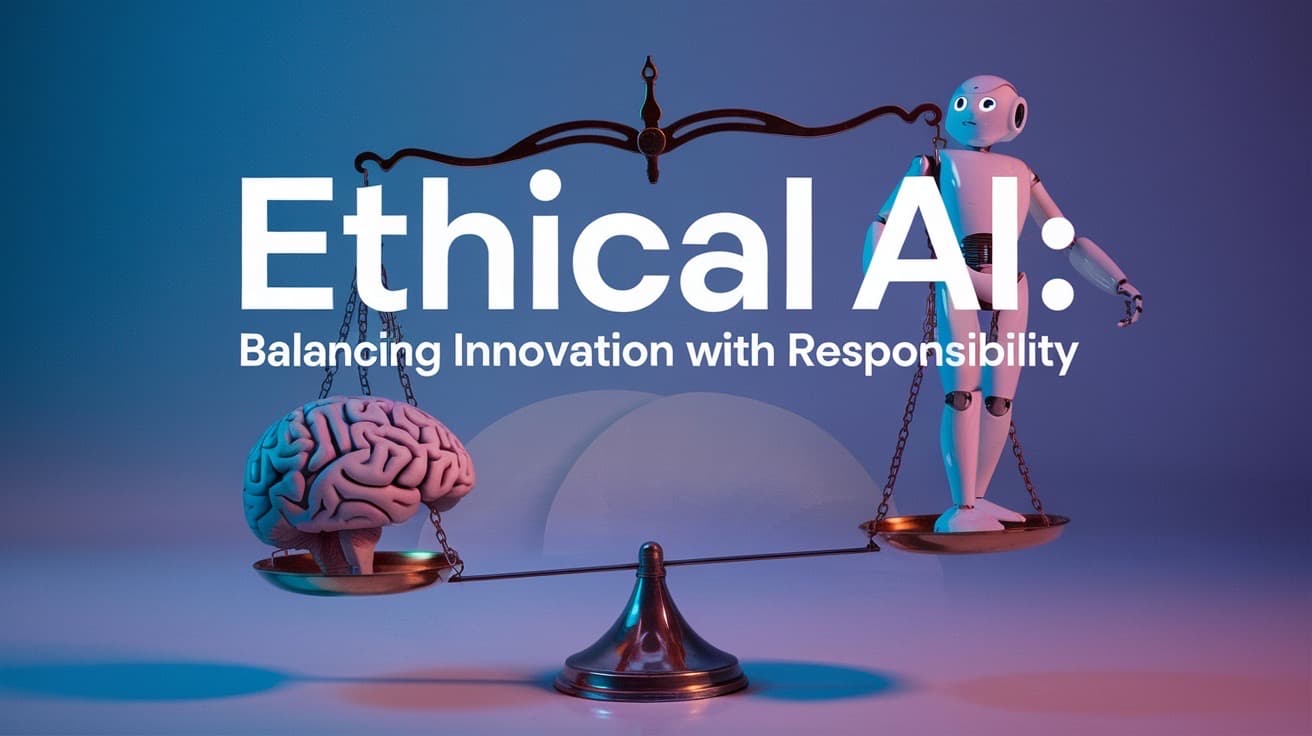
Ethical AI: Balancing Innovation with Responsibility
Introduction
As Artificial Intelligence (AI) technologies rapidly evolve, their integration into various sectors—healthcare, finance, education, and beyond—has become increasingly profound. While AI holds the potential to drive unprecedented innovation and efficiency, it also raises critical ethical considerations that society must address. The conversation surrounding Ethical AI is not merely academic; it has tangible implications for businesses, governments, and individuals. This article explores the importance of ethical AI, its core principles, challenges, and the strategies necessary to balance innovation with responsibility.
Understanding Ethical AI
Definition
Ethical AI refers to the development and deployment of AI systems that align with moral principles and societal values. This encompasses fairness, accountability, transparency, privacy, and respect for human rights. Ethical AI seeks to mitigate the risks associated with AI while maximizing its benefits, ensuring that technology serves humanity rather than undermining it.
The Importance of Ethical AI
- Trust and Acceptance: For AI to be widely adopted, users must trust the technology. Ethical considerations foster trust by ensuring that AI systems operate fairly and transparently.
- Preventing Harm: AI systems can inadvertently cause harm, whether through biased algorithms or invasions of privacy. Addressing ethical concerns helps prevent these outcomes.
- Regulatory Compliance: With increasing scrutiny from regulators, organizations must prioritize ethical AI to ensure compliance with laws and regulations aimed at protecting consumers and data.
- Long-Term Sustainability: Ethical AI contributes to the sustainable development of technology. By prioritizing responsible innovation, businesses can avoid backlash and foster a positive reputation.
Core Principles of Ethical AI
- Fairness: Fairness in AI means ensuring that algorithms do not perpetuate or exacerbate existing biases. This principle encompasses equitable treatment across different demographics and backgrounds. Achieving fairness requires continuous monitoring and evaluation of AI systems to ensure they do not discriminate against certain groups.
- Transparency: Transparency involves making AI systems understandable and explainable. Stakeholders should have insights into how algorithms make decisions, especially in high-stakes areas like healthcare or criminal justice. This includes disclosing the data used to train models and the processes involved in their decision-making.
- Accountability: Accountability ensures that individuals and organizations are held responsible for the outcomes of AI systems. This involves establishing clear lines of responsibility for decisions made by AI, especially when they lead to negative consequences.
- Privacy: Respecting privacy is paramount in the age of data-driven AI. Organizations must implement robust data protection measures and obtain consent from individuals whose data is used in AI systems. Ethical AI should prioritize minimizing data collection and ensuring secure data handling.
- Human-Centric Design: AI should be designed with the end-user in mind. This principle advocates for systems that enhance human capabilities rather than replace them. It emphasizes collaboration between humans and AI, fostering environments where technology serves to empower users.
Challenges in Implementing Ethical AI
- Bias in Data: AI systems learn from historical data, which can contain inherent biases. If the data used to train algorithms is skewed, the AI will likely produce biased outcomes. Addressing this challenge requires organizations to critically evaluate their datasets and consider diverse perspectives during model training.
- Complexity and Lack of Explainability: Many AI algorithms, particularly deep learning models, operate as “black boxes.” This complexity can make it challenging to understand how decisions are made. Achieving transparency and explainability in AI systems is crucial but difficult, requiring ongoing research and innovation.
- Rapid Technological Advancement: The pace of AI development often outstrips the establishment of ethical guidelines and regulations. This disconnect can lead to a lag in addressing ethical concerns, making it essential for stakeholders to engage in proactive dialogue.
- Balancing Innovation and Regulation: While ethical guidelines are necessary, excessive regulation can stifle innovation. Finding the right balance between fostering creativity and ensuring responsible development is a critical challenge for policymakers and industry leaders alike.
- Global Disparities: Different regions and cultures have varying ethical standards and legal frameworks for AI. This diversity can complicate the development of universally accepted ethical guidelines, as stakeholders must navigate cultural nuances and regulatory landscapes.
Strategies for Promoting Ethical AI
- Establishing Ethical Frameworks: Organizations should develop clear ethical frameworks that guide AI development and deployment. These frameworks should be informed by diverse stakeholder input, including ethicists, technologists, and representatives from affected communities.
- Conducting Bias Audits: Regular bias audits can help identify and mitigate biases within AI systems. Organizations should implement processes for evaluating data sources, model performance, and outcomes to ensure fairness and accountability.
- Prioritizing Explainability: Investing in research and tools that enhance explainability is essential. Organizations should prioritize models that provide clear insights into decision-making processes, allowing stakeholders to understand how outcomes are derived.
- Engaging in Multidisciplinary Collaboration: Ethical AI requires collaboration across disciplines. Organizations should involve ethicists, social scientists, and technologists in the development process to ensure a comprehensive understanding of the implications of AI technologies.
- Fostering a Culture of Responsibility: Creating a culture of responsibility within organizations is crucial for ethical AI. This includes training employees on ethical considerations, encouraging open dialogue about potential ethical dilemmas, and holding individuals accountable for their contributions to AI systems.
- Advocating for Global Standards: As AI technologies transcend borders, advocating for global ethical standards is essential. Stakeholders should engage in international discussions to establish common guidelines that promote responsible AI development and address cultural differences.

Case Studies of Ethical AI Implementation
- IBM’s AI Fairness 360: IBM has developed an open-source toolkit called AI Fairness 360, which provides metrics and algorithms to help data scientists detect and mitigate bias in AI models. This initiative promotes fairness by offering tools that enable organizations to evaluate and improve the equity of their AI systems.
- Google’s Explainable AI: Google has prioritized transparency and explainability in its AI initiatives through its Explainable AI program. By providing tools and resources to help developers create more interpretable models, Google aims to foster trust and accountability in AI systems.
- Microsoft’s AI Principles: Microsoft has established a set of AI principles that guide its AI development and deployment practices. These principles include fairness, reliability, safety, privacy, and inclusiveness. Microsoft actively engages with stakeholders to ensure its AI technologies align with societal values.
- OpenAI’s Commitment to Safety: OpenAI, the organization behind GPT-3 and other advanced AI systems, emphasizes the importance of safe AI development. OpenAI focuses on ensuring that its technologies are deployed responsibly, considering the potential societal impact and engaging with external experts to inform its practices.
The Future of Ethical AI
- Integration of Ethics into AI Education: As AI technologies continue to advance, integrating ethics into AI education and training will become increasingly important. Future technologists should be equipped with the tools to understand and address ethical considerations, ensuring that ethical AI becomes a foundational aspect of AI development.
- Evolution of Regulatory Frameworks: As ethical AI gains prominence, regulatory frameworks will likely evolve to address the challenges posed by AI technologies. Policymakers will need to collaborate with industry leaders and ethicists to create balanced regulations that promote responsible innovation.
- Growth of AI Ethics Boards: Organizations may increasingly establish AI ethics boards comprising diverse stakeholders to oversee AI development. These boards can provide guidance, evaluate ethical implications, and ensure accountability in AI initiatives.
- Advancements in Explainable AI: The field of explainable AI is likely to see significant advancements, resulting in more interpretable models and increased transparency. Researchers will continue to explore methods for making complex AI systems understandable to both developers and end-users.
- Greater Public Awareness: Public awareness of ethical AI issues will continue to grow, leading to increased demand for accountability and transparency from organizations. Consumers will become more discerning, favoring companies that prioritize ethical considerations in their AI initiatives.
Conclusion
The rise of AI technologies presents both remarkable opportunities and significant ethical challenges. Balancing innovation with responsibility is crucial to harnessing the full potential of AI while safeguarding societal values and human rights.
Ethical AI is not merely a trend; it is a necessity in the rapidly evolving technological landscape. By prioritizing fairness, transparency, accountability, privacy, and human-centric design, organizations can foster trust and promote responsible AI development.
The path to ethical AI requires collaboration across disciplines, continuous dialogue among stakeholders, and proactive measures to address the ethical implications of AI technologies. As we move forward, the collective commitment to ethical AI will shape a future where technology serves humanity, ensuring that innovation is pursued with responsibility and integrity.
In navigating this complex landscape, the dialogue surrounding ethical AI will be critical in shaping policies, guiding practices, and fostering a culture of responsibility that aligns technology with the greater good.