
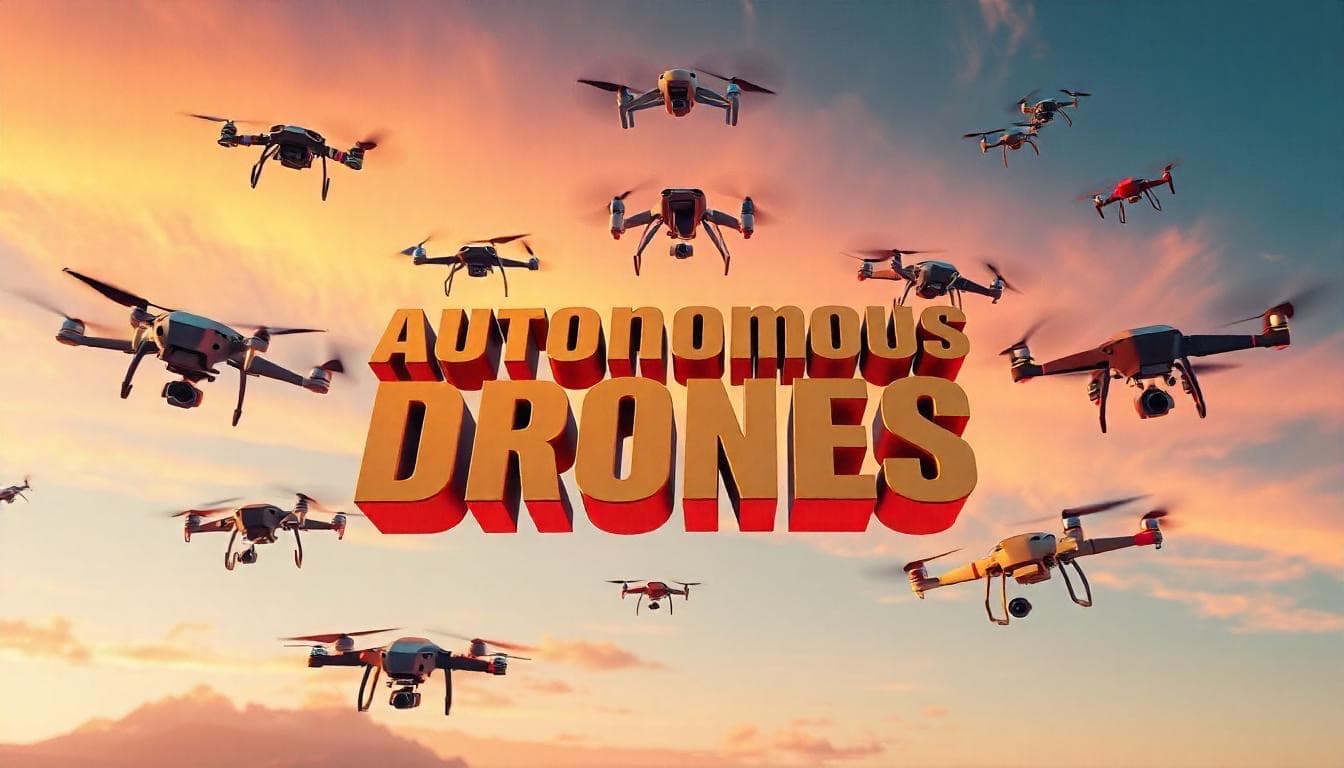
Exploring the Role of AI in Autonomous Drones for Delivery in 2025
Exploring the Role of AI in Autonomous Drones for Delivery in 2025
The year 2025 is witnessing a significant shift in the logistics and delivery landscape as artificial intelligence (AI) takes on a pivotal role in enabling fully autonomous drones. These drones, powered by advanced AI algorithms, are transforming the last-mile delivery industry, providing faster, safer, and more efficient services. From e-commerce giants and food delivery services to emergency response teams, autonomous drones are now proving to be invaluable, particularly in areas where traditional delivery methods are limited or inefficient. This article delves into the role AI plays in shaping autonomous drone technology, exploring its benefits, challenges, and the future of AI-driven drone deliveries.
AI and Autonomous Drones: A Perfect Match
AI is the cornerstone of autonomous drone technology, enabling drones to operate without human intervention and adapt to dynamic environments. Here are some key ways in which AI enhances the functionality and effectiveness of delivery drones:
Navigation and Route Optimization
- AI-driven drones leverage complex algorithms and real-time data to plan and adjust flight paths efficiently. Using data from GPS, satellite imagery, and onboard sensors, AI algorithms determine the most efficient route, avoiding obstacles like buildings, trees, and restricted areas.
- Machine learning (ML) models also continuously improve route optimization by analyzing patterns in traffic, weather, and delivery schedules. This ensures that the drone reaches its destination quickly while minimizing battery usage and flight time.
Object Detection and Collision Avoidance
- Autonomous drones in 2025 are equipped with sophisticated object detection and collision avoidance systems, made possible through deep learning models. These systems use data from cameras, LiDAR, radar, and ultrasonic sensors to detect and track obstacles in real time.
- AI algorithms interpret this sensory data and make split-second adjustments to the drone’s flight path, ensuring a smooth and safe journey. This is particularly important in urban environments, where obstacles are frequent, and flight conditions can change rapidly.
Weather and Environmental Adaptability
- Drones must be prepared for diverse and unpredictable weather conditions. AI helps drones analyze weather data to assess factors like wind speed, temperature, and precipitation. By incorporating weather adaptability, AI enables drones to decide whether to proceed, delay, or reroute, prioritizing safety and efficiency.
- Some advanced AI systems can even adapt in-flight, responding to unexpected gusts of wind or other atmospheric changes, adjusting flight patterns in real time to maintain stability.
Real-Time Decision Making
- Autonomous drones need the ability to make complex decisions on the fly. AI enables these drones to evaluate real-time data and make decisions that improve delivery accuracy and efficiency. For example, if a landing zone becomes temporarily unavailable, AI algorithms can identify alternative locations and reroute the drone without human intervention.
- AI’s decision-making capability is particularly beneficial for medical and emergency supply deliveries, where timely delivery can be critical. Real-time adaptability allows drones to prioritize certain deliveries over others in response to situational demands, such as in the aftermath of a natural disaster.
Communication and Fleet Coordination
- In 2025, many delivery companies use AI to manage fleets of drones, ensuring they work together seamlessly. AI-powered systems coordinate drone fleets, optimizing delivery schedules, and reducing overlap. This approach enables faster, more organized deliveries, particularly when covering large or densely populated areas.
- Fleet coordination also allows for dynamic rerouting. If one drone encounters an issue, another drone in the fleet can be reassigned to complete the delivery. AI systems use machine-to-machine communication protocols to relay information between drones and ground systems, maintaining an efficient and well-coordinated fleet operation.
Machine Learning for Continuous Improvement
- AI-driven drones are equipped with machine learning models that enable continuous learning from historical data. Every completed delivery, flight path, obstacle encounter, and environmental challenge becomes part of the learning dataset, allowing the drone’s AI system to improve accuracy and efficiency over time.
- By analyzing this data, AI systems enhance future performance, creating a self-improving system where each delivery cycle helps make the next one more reliable and streamlined.
Real-World Applications of Autonomous Drone Delivery in 2025
AI-enabled autonomous drones are finding practical applications across various industries, demonstrating their versatility and potential. Here are a few prominent use cases in 2025:
E-commerce and Retail Deliveries
- Companies like Amazon, Walmart, and Alibaba have embraced autonomous drones for rapid deliveries in urban and suburban areas. These drones deliver small parcels directly to customers’ doorsteps, reducing delivery times from days to mere hours.
- The AI algorithms in these drones help them navigate complex urban landscapes, locate precise delivery spots, and avoid obstacles like power lines and crowded streets.
Food and Grocery Delivery
- In densely populated cities, AI-powered drones are revolutionizing food and grocery delivery. Companies such as Uber Eats and DoorDash use autonomous drones to deliver orders quickly and efficiently, bypassing road traffic and reducing wait times for customers.
- By analyzing patterns in customer demand and traffic, AI systems ensure that delivery drones take the most efficient routes. For instance, if multiple orders are requested in the same area, the AI can route one drone to deliver multiple orders, optimizing for both efficiency and speed.
Healthcare and Emergency Supplies
- Autonomous drones play a crucial role in healthcare by delivering medical supplies, blood products, vaccines, and even organ transplants to remote or hard-to-reach locations. AI systems enable drones to make rapid, precise deliveries, which can be critical during emergencies.
- During natural disasters or pandemics, these drones have been instrumental in delivering supplies to affected areas where traditional vehicles cannot reach. AI-driven adaptability and fleet management allow rapid response to emergent needs, prioritizing life-saving supplies in real-time.
Postal and Courier Services
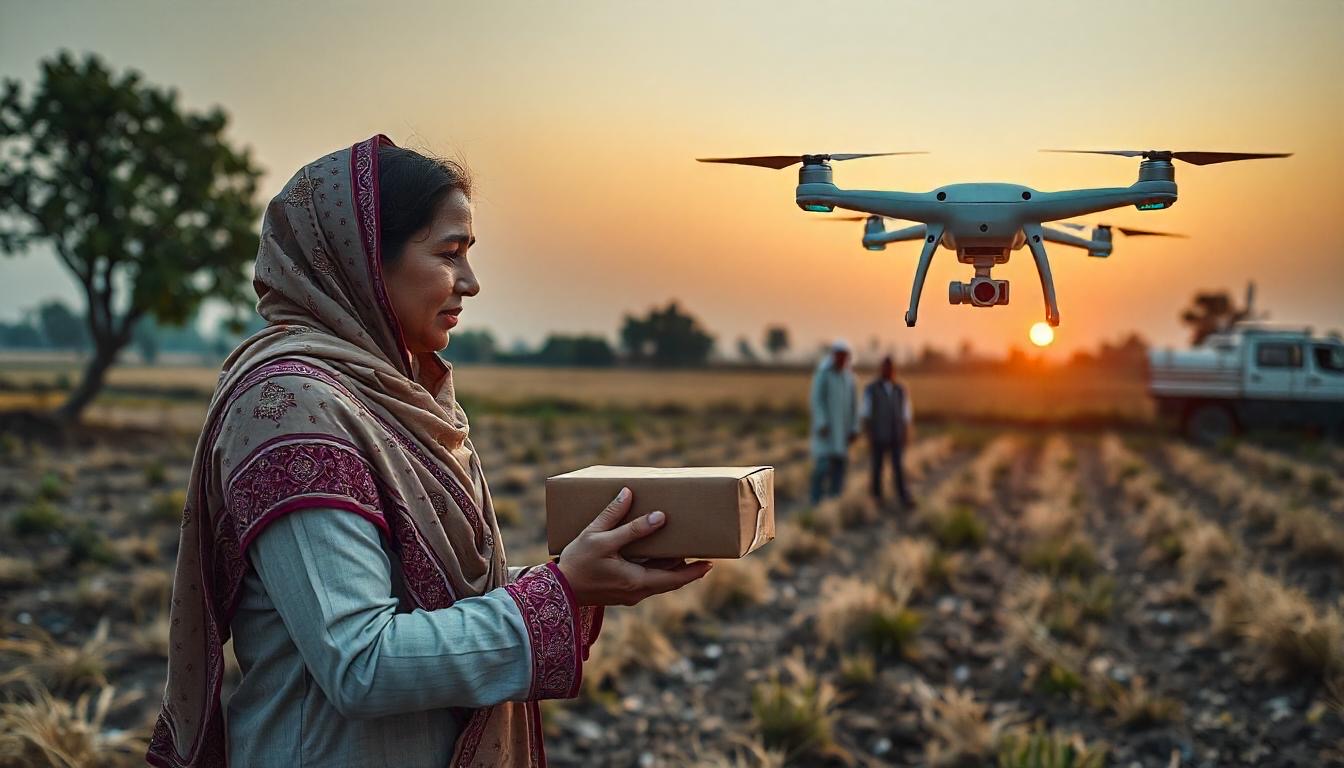
- Postal services in several countries are using AI-powered autonomous drones to deliver letters, parcels, and documents, particularly in rural or inaccessible areas. These drones significantly reduce delivery times and operating costs, especially in regions where delivering by land is logistically challenging.
- AI algorithms help ensure that these drones follow established routes, avoid restricted zones, and communicate with air traffic control systems to prevent interference with other aircraft.
Challenges Facing AI in Autonomous Drone Delivery
Despite their impressive advancements, AI-driven autonomous drones face several challenges:
Regulatory and Safety Concerns
- Autonomous drones must comply with strict aviation and privacy regulations, which vary from country to country. Regulatory bodies are working to establish guidelines to ensure safe operation, including altitude limits, permissible areas, and privacy standards.
- Safety is another concern, especially in populated areas. Autonomous drones must ensure safe landings and reliable navigation to avoid collisions, requiring further refinement of AI systems to address these issues fully.
Battery Life and Energy Efficiency
- Limited battery life remains a significant constraint for drone deliveries. AI algorithms help optimize flight paths to conserve battery power, but the physical limitations of battery technology still restrict range and payload capacity.
- Companies are investing in battery technology and energy-efficient flight designs, but significant improvements are needed to make autonomous drones viable for heavier deliveries over longer distances.
Privacy and Data Security
- Drones equipped with cameras and sensors for navigation raise privacy concerns, as they capture data from their surroundings, potentially infringing on personal privacy. AI systems must process this data responsibly, adhering to privacy standards and only collecting essential data.
- Cybersecurity is also a major concern, as autonomous drones rely on AI and cloud-based systems to function. Ensuring robust cybersecurity measures is essential to prevent unauthorized access and data breaches.
Weather and Environmental Limitations
- While AI helps drones adapt to certain weather conditions, extreme weather still poses risks. High winds, heavy rain, or snow can disrupt drone flights, posing risks to the drone and compromising delivery reliability.
- Further advances in AI and machine learning are needed to improve environmental adaptability, enabling drones to operate safely in a wider range of weather conditions.
The Future of AI-Driven Autonomous Drones in Delivery
As we move beyond 2025, the future of AI-powered autonomous drones in delivery looks promising. Here are a few trends we can expect in the coming years:
Enhanced AI Models and Edge Computing
- AI models in autonomous drones will continue to become more sophisticated, capable of handling complex, high-stakes delivery scenarios with even greater autonomy. Edge computing will allow drones to process data locally, reducing reliance on cloud-based systems and enabling faster decision-making.
Increased Integration with IoT and Smart Cities
- The integration of AI-driven drones with Internet of Things (IoT) networks and smart city infrastructure will further enhance their efficiency. By communicating with smart traffic systems and air traffic control networks, drones will become an integral part of the urban delivery ecosystem.
Expansion of Use Cases
- As AI and drone technologies continue to evolve, we can expect new and innovative use cases, from disaster relief and agricultural support to surveillance and infrastructure inspection. AI-driven drones will expand their applications, contributing to diverse industries and transforming the way we interact with the world.
Conclusion
In 2025, AI-powered autonomous drones are revolutionizing the delivery industry, offering unparalleled speed, efficiency, and adaptability. While challenges remain, advancements in AI and drone technology continue to push the boundaries of what is possible, paving the way for a future where autonomous drones play a central role in our daily lives. As these technologies mature, their potential to improve logistics, enhance accessibility, and address societal challenges is bound to grow, making them a cornerstone of the modern delivery ecosystem.