
How 5G Will Power IoT Growth and Smart Cities in 2025
How 5G Will Power IoT Growth and Smart Cities in 2025
Introduction: The Power of 5G in Transforming Connectivity
The arrival of 5G is set to be a revolutionary moment in the world of connectivity. With speeds up to 100 times faster than 4G and latency as low as 1 millisecond, 5G will enable rapid data transmission, real-time communication, and support for massive numbers of connected devices. This capability is critical for the expansion of the Internet of Things (IoT) and the development of smart cities, where interconnected devices work together to create efficient, sustainable, and high-quality urban environments. By 2025, 5G will have matured, transforming IoT and smart city applications by providing faster speeds, greater capacity, and better coverage.
This article explores how 5G will fuel the growth of IoT and accelerate the implementation of smart city solutions in 2025, along with the specific applications that will benefit the most from these advancements.
1. Enabling Real-Time Data Processing and Decision-Making
Importance of Low Latency
One of the defining features of 5G is its ultra-low latency, meaning data can be transmitted and received almost instantly. This is crucial for IoT devices that require real-time responses, such as traffic lights, autonomous vehicles, and security cameras in a smart city environment.
Applications in Smart Cities
- Autonomous Vehicles: Self-driving cars rely on rapid data exchange with nearby vehicles, traffic lights, and other infrastructure. With 5G, autonomous vehicles can make real-time decisions, improving safety, reducing traffic congestion, and enhancing fuel efficiency.
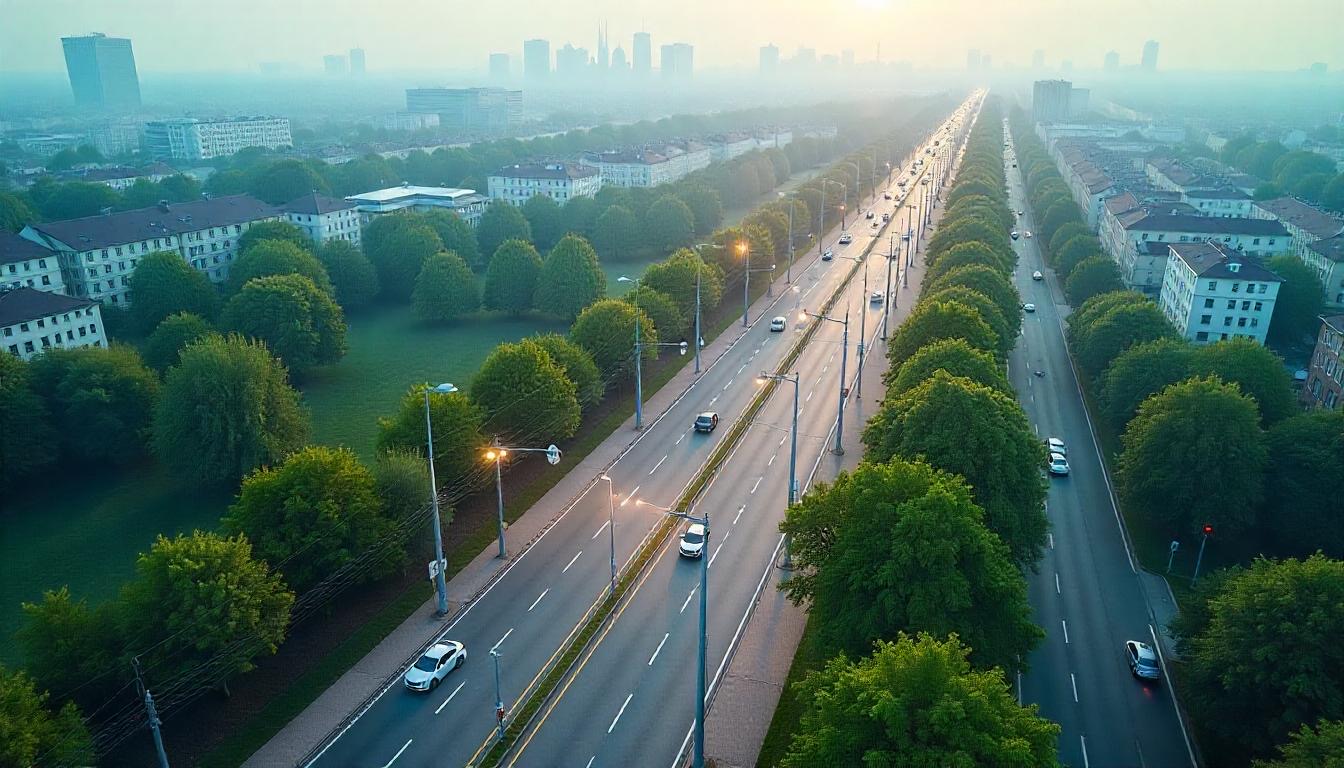
- Traffic Management Systems: By using IoT sensors and 5G, cities can implement responsive traffic lights that adjust based on traffic flow, reducing congestion and optimizing travel times. For example, if an accident occurs, the traffic system can reroute vehicles in real time.
- Public Safety and Surveillance: Surveillance cameras powered by 5G will deliver high-quality, real-time video feeds to city authorities. This capability can improve response times in emergencies, enhance crime prevention, and ensure public safety by allowing instant data analysis and decision-making.
Impact by 2025
With 5G-enabled real-time processing, cities will be able to respond dynamically to changing conditions, making urban environments safer, more efficient, and easier to navigate. Real-time data will allow city managers to make data-driven decisions that improve urban life, reduce congestion, and increase safety.
2. Supporting Massive IoT Device Connectivity
Scalability of IoT Networks with 5G
5G networks are designed to support up to one million devices per square kilometer, a vast improvement over 4G’s limitations. This scalability is essential for IoT networks in smart cities, where a multitude of sensors, meters, and devices are required to monitor and control urban infrastructure.
Applications in Smart Cities
- Smart Infrastructure: With 5G, cities can deploy extensive networks of sensors to monitor infrastructure like bridges, roads, and pipelines for signs of wear or damage. Early detection of issues can lead to proactive maintenance, reducing costs and preventing accidents.
- Waste Management: IoT-enabled waste bins can monitor fill levels and send notifications when they need to be emptied, optimizing collection routes and reducing fuel consumption. This can improve waste management efficiency, reduce pollution, and lower operational costs.
- Air Quality Monitoring: 5G can support networks of air quality sensors across cities, providing real-time data on pollution levels. This data can be used to implement policies that improve air quality, such as traffic restrictions or industrial regulations.
Impact by 2025
With the capacity to connect millions of devices, 5G will enable cities to build extensive, highly functional IoT networks that monitor everything from environmental conditions to infrastructure health. This capability will be crucial for smart city initiatives aiming to enhance sustainability and improve residents’ quality of life.
3. Enhancing Public Transportation and Mobility
Dynamic and Connected Transportation Systems
5G will play a transformative role in improving public transportation, allowing for seamless connectivity between vehicles, infrastructure, and city management systems. This connectivity will enable real-time monitoring and updates, making transportation systems more efficient and adaptable to changing demands.
Applications in Smart Cities
- Connected Public Transport: 5G-enabled buses and trains will communicate in real-time with transportation hubs, providing updates on arrival times, delays, and vehicle occupancy. This can improve service efficiency and provide passengers with accurate travel information.
- Electric Vehicle (EV) Charging Stations: Smart EV charging stations will use 5G to communicate with electric vehicles, optimizing charging schedules and minimizing energy costs. Cities can monitor energy use at these stations in real-time, reducing strain on the grid.
- Smart Parking Systems: By using IoT sensors, smart parking solutions will inform drivers of available parking spaces in real time, reducing traffic congestion and pollution from vehicles circling to find a spot.
Impact by 2025
Enhanced public transportation and smart mobility solutions will help reduce urban congestion, lower carbon emissions, and improve travel efficiency. With 5G-enabled transportation, cities will make urban mobility more convenient and sustainable, ultimately encouraging more people to use public transit.
4. Improving Energy Efficiency and Resource Management
5G for Smarter Utilities and Grid Management
As smart cities grow, so does the need for sustainable energy solutions. 5G will enable real-time energy management by connecting smart grids, energy meters, and utility networks, allowing cities to optimize energy use and reduce waste.
Applications in Smart Cities
- Smart Grids: With 5G, cities can monitor energy usage in real-time, balancing supply and demand across the grid. This can prevent power outages and reduce energy waste by ensuring that only necessary power is supplied.
- Water Management: IoT sensors connected via 5G can monitor water usage and detect leaks in real-time. This capability helps conserve water, reduce costs, and ensure a steady water supply.
- Lighting and HVAC Systems: Smart lighting and HVAC systems in buildings can adjust usage based on real-time data from occupancy sensors. This reduces energy consumption in public buildings and lowers operational costs.
Impact by 2025
5G-powered energy management will make urban resource usage more efficient, helping cities reduce costs, save energy, and support sustainability goals. Real-time monitoring and management of energy resources will allow cities to respond to peak demand effectively, minimizing waste and supporting environmentally friendly initiatives.
5. Revolutionizing Healthcare and Public Health Monitoring
Telemedicine and Remote Healthcare with 5G
5G’s low latency and high bandwidth make it ideal for supporting healthcare applications in smart cities, especially as urban populations grow and access to healthcare becomes increasingly vital. 5G will enable telemedicine, remote health monitoring, and real-time data sharing between medical devices, doctors, and patients.
Applications in Smart Cities
- Remote Patient Monitoring: IoT devices connected via 5G will monitor patient vitals remotely, allowing doctors to track health conditions in real time. This can be lifesaving for elderly patients or those with chronic illnesses.
- Telemedicine: With high-speed 5G connectivity, doctors can conduct high-quality virtual consultations, allowing patients to receive medical advice and treatment remotely. This capability reduces the need for in-person visits, making healthcare more accessible.
- Health Surveillance Systems: 5G will support real-time health data collection across cities, enabling public health departments to track disease outbreaks, monitor pollution-related health risks, and respond quickly to public health crises.
Impact by 2025
With 5G-enabled healthcare solutions, cities can provide faster, more responsive medical services, improve access to healthcare, and monitor public health effectively. This technology will enhance the quality of healthcare services available to urban residents, promoting a healthier and more resilient population.
6. Enhanced Public Safety and Emergency Response
Improved Response Capabilities
In smart cities, quick and effective emergency response is essential. 5G will enable real-time communication between emergency services, smart infrastructure, and IoT devices, allowing cities to coordinate and respond to emergencies more effectively.
Applications in Smart Cities
- Connected Emergency Services: 5G will allow police, firefighters, and ambulances to receive real-time data about incidents, traffic conditions, and the location of the nearest emergency responders. This will help ensure faster and more accurate responses.
- Disaster Response and Recovery: In the event of natural disasters such as earthquakes or floods, 5G networks will allow emergency teams to access real-time data, coordinate recovery efforts, and ensure aid is directed to where it is needed most.
- Public Warning Systems: 5G-enabled IoT devices will facilitate public warning systems that can broadcast emergency alerts to residents across the city, such as evacuation notices during fires or weather-related warnings.
Impact by 2025
By 2025, smart cities equipped with 5G will have enhanced emergency response capabilities, leading to quicker recovery times, fewer casualties, and more efficient public safety operations. The real-time data sharing enabled by 5G will make emergency services more proactive and accurate.
Conclusion: 5G—The Backbone of Smart Cities in 2025
As we move towards 2025, 5G will serve as the backbone of smart cities, powering a wide range of applications that improve the quality of life for urban residents. From real-time data processing to massive IoT connectivity, 5G’s speed, low latency, and capacity will enable cities to become more efficient, sustainable, and responsive to the needs of their populations. Smart cities will be able to manage resources better, improve public safety, enhance healthcare services, and optimize transportation and mobility with the help of 5G. By leveraging the full potential of 5G, cities will become more connected, intelligent, and resilient, driving us towards a more sustainable future.