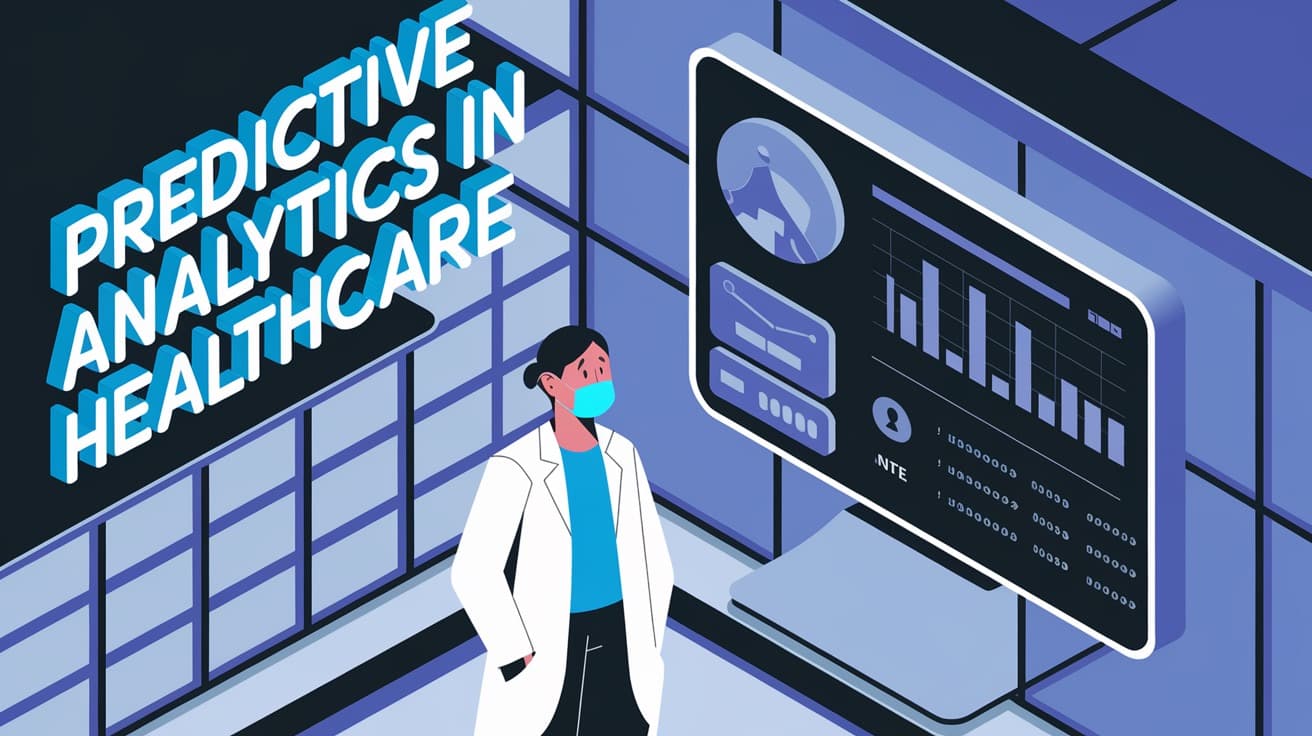
Predictive Analytics in Healthcare for Better Outcomes in 2025
Introduction: The Rise of Predictive Analytics in Healthcare
The healthcare industry has undergone significant technological transformation over the last decade, with data becoming a critical component in delivering efficient and effective patient care. One of the most promising advancements is predictive analytics, a data-driven approach that uses historical and real-time information to forecast future health outcomes. By 2025, predictive analytics will play a central role in healthcare, aiding in early diagnosis, personalized treatment plans, resource optimization, and proactive disease prevention. With the help of advanced algorithms and AI, predictive analytics is expected to improve patient outcomes, reduce healthcare costs, and make healthcare delivery more efficient.
This article explores the evolving role of predictive analytics in healthcare and its applications in disease prediction, patient monitoring, operational efficiency, and more by 2025.
1. Early Detection and Diagnosis of Diseases
Predicting Health Risks Before Symptoms Appear
One of the most impactful uses of predictive analytics in healthcare is early disease detection. By analyzing data from various sources, such as patient records, genetic information, and lifestyle factors, predictive models can identify individuals at high risk for diseases before symptoms even appear.
Applications in 2025
- Cancer Detection: Predictive models will be able to analyze genetic markers, lifestyle habits, and medical imaging data to assess a patient’s risk of developing certain types of cancer. For example, AI algorithms can detect early patterns in mammograms or lung scans that may indicate cancer, even in its earliest stages.
- Cardiovascular Disease Prediction: Using data from wearable devices and electronic health records (EHRs), predictive analytics will help identify patients at high risk for heart attacks, strokes, and other cardiovascular conditions. By 2025, continuous monitoring will alert healthcare providers to subtle changes in heart rate, blood pressure, and cholesterol levels.
- Diabetes Prevention: Predictive models will identify individuals at risk for diabetes based on diet, lifestyle, and family history. Doctors can proactively offer guidance, such as dietary recommendations and exercise plans, to prevent or delay the onset of the disease.
Impact on Healthcare: By enabling early intervention, predictive analytics will help prevent diseases or catch them in their most treatable stages, improving patient outcomes and reducing the long-term costs associated with late-stage disease treatments.
2. Personalized Treatment Plans and Precision Medicine
Tailoring Treatments to Individual Patients
Predictive analytics will enable precision medicine, where treatments are customized to fit the specific characteristics of each patient, including their genetic profile, medical history, and lifestyle. This approach can lead to more effective treatments and fewer adverse reactions, creating better overall patient outcomes.
Applications in 2025
- Customized Drug Therapy: By analyzing genetic markers, predictive models can help determine the most effective drugs for individual patients, reducing trial-and-error in prescribing medications. For instance, predictive analytics can help cancer patients receive targeted therapies based on their unique genetic mutations.
- Predicting Treatment Outcomes: Predictive models will assess how patients are likely to respond to certain treatments, enabling doctors to make adjustments in advance. This is especially helpful for chronic conditions like diabetes and hypertension, where treatment efficacy varies widely among individuals.
- Optimized Dosage Levels: Using patient-specific data, predictive analytics will help optimize medication dosages to balance effectiveness with minimal side effects. In fields like oncology, this is particularly beneficial, as precise dosages can significantly impact patient recovery and minimize discomfort.
Impact on Healthcare: By 2025, predictive analytics will make treatments more effective and individualized, leading to better patient compliance, faster recoveries, and reduced chances of adverse effects. Personalized treatment also reduces the healthcare system’s financial burden by avoiding ineffective treatments.
3. Real-Time Patient Monitoring and Proactive Care
Keeping Patients Out of the Hospital with Predictive Monitoring
Predictive analytics combined with wearable devices and IoT-enabled health sensors will enable real-time patient monitoring, allowing healthcare providers to detect issues before they become severe. By continuously monitoring vital signs and other health indicators, predictive models can alert providers to any emerging health risks, enabling proactive care.
Applications in 2025
- Remote Monitoring for Chronic Illness: Patients with chronic conditions, such as heart disease or COPD, will be monitored remotely with wearable devices. Predictive algorithms will analyze the data in real-time and alert healthcare providers if there are signs of worsening health, preventing emergency situations.
- Post-Surgery Monitoring: Predictive analytics will play a crucial role in post-surgical care, monitoring patients for signs of infection, blood clots, or other complications. This ensures early intervention if complications arise, reducing the need for hospital readmissions.
- Predicting Mental Health Crises: For patients with mental health conditions, predictive analytics will analyze speech patterns, behavior changes, and physical health data to identify early signs of potential crises, enabling timely intervention.
Impact on Healthcare: Real-time monitoring powered by predictive analytics will reduce hospital admissions and improve patient well-being by allowing healthcare providers to act proactively. This approach will also help healthcare systems optimize resources, as preventive care reduces the need for emergency interventions and hospitalizations.

4. Streamlining Healthcare Operations and Resource Management
Improving Efficiency in Healthcare Delivery
Predictive analytics is not limited to patient care; it also plays a significant role in optimizing healthcare operations. By analyzing data on patient inflows, treatment durations, and resource usage, predictive models can help healthcare facilities allocate resources more efficiently, reducing wait times and improving service quality.
Applications in 2025
- Predicting Patient Admission Patterns: Predictive models will help hospitals anticipate patient admission patterns based on historical data, seasonal trends, and disease outbreaks, enabling better staff scheduling and resource allocation.
- Optimizing Emergency Department (ED) Workflow: Emergency departments will use predictive analytics to forecast peak times and ensure that adequate staff, beds, and resources are available. This will reduce wait times and improve patient satisfaction.
- Inventory and Supply Chain Management: Predictive analytics will help hospitals manage their inventory, ensuring essential supplies like medications and medical equipment are available when needed. By predicting demand fluctuations, hospitals can reduce waste and save costs.
Impact on Healthcare: With predictive analytics, healthcare providers can optimize their operations, reducing costs and enhancing service delivery. This efficiency will benefit both patients, who experience shorter wait times and better care, and healthcare providers, who can make more strategic use of their resources.
5. Disease Surveillance and Public Health Forecasting
Protecting Public Health with Predictive Models
Predictive analytics will be vital in monitoring and responding to public health challenges. By analyzing patterns from various sources, such as emergency room visits, social media data, and wearable devices, predictive models can help identify emerging health trends and outbreaks.
Applications in 2025
- Early Detection of Infectious Diseases: Predictive analytics will track health trends, identifying potential outbreaks of infectious diseases like influenza, COVID-19, or new viruses. Public health agencies can use this data to deploy resources strategically and contain the spread.
- Environmental Health Monitoring: Predictive models will analyze environmental data to predict public health risks, such as asthma attacks triggered by air pollution or dehydration risks during heatwaves.
- Population Health Management: Predictive analytics will enable health agencies to identify at-risk populations for chronic diseases, like diabetes or hypertension, and implement preventive programs. This can include targeted awareness campaigns and access to preventive screenings.
Impact on Healthcare: By using predictive analytics for disease surveillance, public health agencies can take proactive measures to protect communities, prevent disease spread, and better allocate public health resources. Early intervention will lead to healthier populations and reduce the strain on healthcare systems during outbreaks.
6. Fraud Prevention and Cost Reduction
Mitigating Financial Risks in Healthcare
Predictive analytics can also be applied to the financial aspects of healthcare, helping to identify patterns of fraud, abuse, and unnecessary spending. By analyzing historical billing data, predictive models can flag unusual activities that may indicate fraud, overcharging, or waste.
Applications in 2025
- Fraud Detection in Insurance Claims: Predictive models will assess claims data to identify patterns associated with fraudulent claims, protecting both healthcare providers and insurers from financial losses.
- Preventing Duplicate Tests and Procedures: By analyzing patient histories, predictive analytics can detect unnecessary or duplicate tests, reducing healthcare costs and improving patient care.
- Optimizing Treatment Plans for Cost-Effectiveness: Predictive models will identify the most cost-effective treatments for patients, balancing cost and outcomes to provide high-quality care without unnecessary expenses.
Conclusion: The Future of Predictive Analytics in Healthcare by 2025
By 2025, predictive analytics will be deeply embedded in healthcare systems, driving better outcomes through early disease detection, personalized treatments, real-time monitoring, operational efficiency, and public health surveillance. As healthcare data becomes increasingly available from sources like electronic health records, wearable devices, and patient interactions, predictive models will continuously improve, offering even greater insights into individual and population health.
For healthcare providers, predictive analytics offers the opportunity to transition from reactive to proactive care, empowering them to identify and address health issues before they become severe. Patients will benefit from more personalized, efficient, and affordable care, while healthcare systems will see cost savings and improved resource utilization. By leveraging predictive analytics, healthcare in 2025 will be not only more technologically advanced but also more patient-centered and outcome-driven, fundamentally transforming how we approach health and well-being.