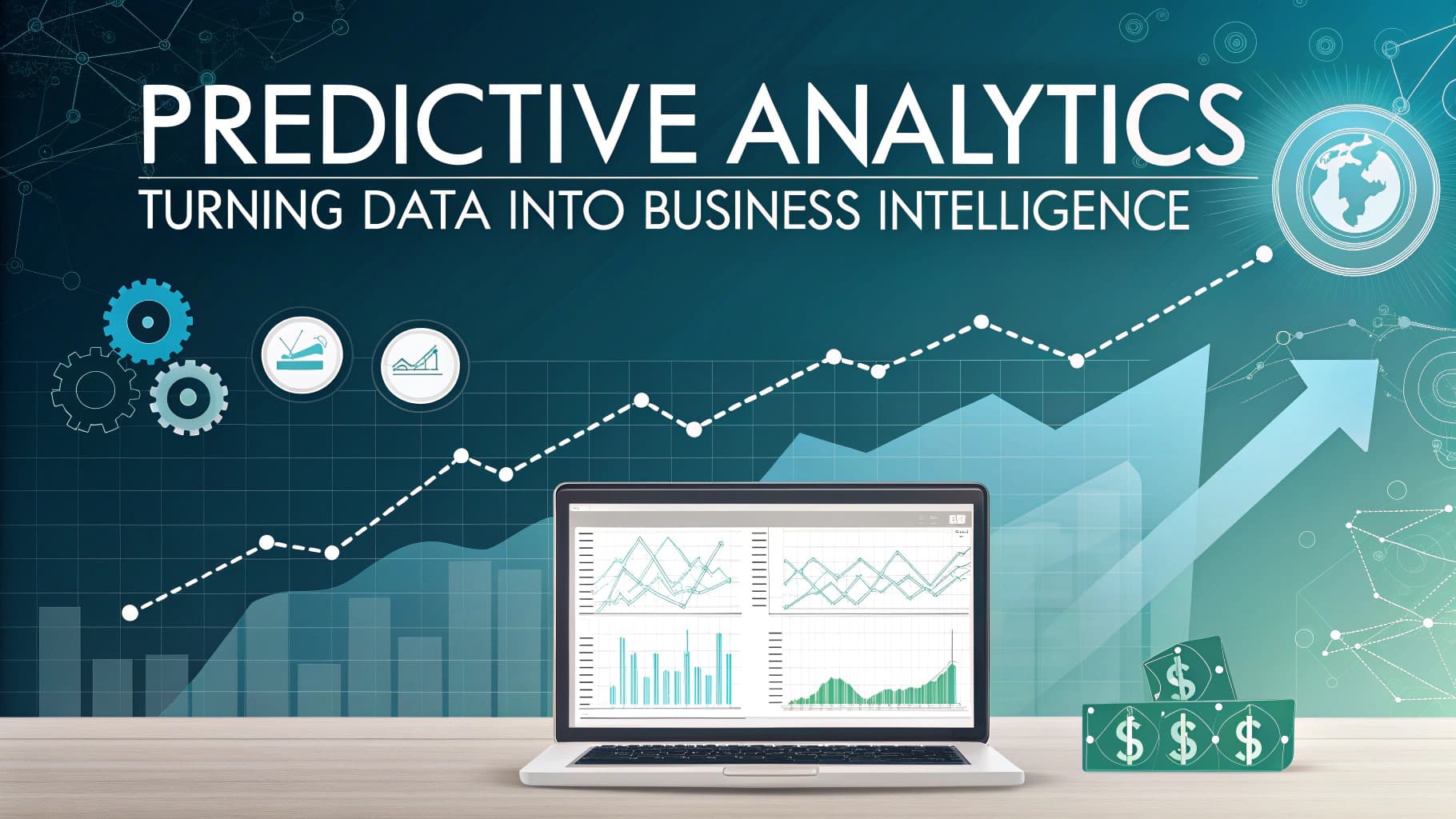
Predictive Analytics Turning Data into Business Intelligence
Predictive Analytics: Turning Data into Business Intelligence
By Dreams Lab
In the modern digital economy, businesses no longer need to guess what their customers want — the data already knows. The question is: are you listening to it?
Thanks to predictive analytics, companies can now use historical data to forecast future trends, behaviors, and outcomes with remarkable accuracy. From Pinterest’s personalized content suggestions to Amazon’s product recommendations, predictive analytics is silently powering the world’s smartest platforms.
At Dreams Lab, we help businesses in Pakistan and beyond turn raw data into strategic advantage. In this blog, we’ll explore what predictive analytics is, how Pinterest and others are using it effectively, and how you can apply it to turn your data into business intelligence — even if you’re not a tech giant.
🧠 What is Predictive Analytics?
Predictive analytics is a branch of advanced analytics that uses historical data, statistical algorithms, and machine learning to identify the likelihood of future outcomes.
Put simply, it helps you answer questions like:
- Which products will sell best next month?
- Which customers are likely to churn?
- What will my sales look like next quarter?
- What content will this user engage with?
Unlike traditional analytics, which explains what happened, predictive analytics focuses on what will happen — and how to act on it.
📌 Pinterest: A Real-World Predictive Analytics Powerhouse
Pinterest might look like just a visual discovery platform, but behind every pin is a network of AI models and predictive engines.
Here’s how Pinterest uses predictive analytics:
- Personalized Recommendations: Pinterest analyzes user behavior (pins, boards, clicks, time spent) to predict and suggest future interests. This increases user engagement by constantly serving content that feels fresh — yet relevant.
- Trending Content Forecasts: Pinterest identifies rising search trends (e.g., “Eid outfit ideas” or “budget travel hacks”) before they peak, helping creators and brands plan better content strategies.
- Ad Targeting Optimization: Pinterest uses predictive models to forecast which users are most likely to click or convert, enabling advertisers to spend smarter and improve ROI.
🎯 Pinterest’s predictive engines help the platform deliver billions of personalized experiences — and create massive value for users and brands alike.
🔍 How Predictive Analytics Differs from Descriptive Analytics
| Type | Focus | Questions It Answers |
|---|---|---|
| Descriptive Analytics | Past | What happened? |
| Diagnostic Analytics | Reason | Why did it happen? |
| Predictive Analytics | Future | What is likely to happen? |
| Prescriptive Analytics | Action | What should we do next? |
Predictive analytics is your crystal ball, built on real data and smart algorithms.
💼 Business Benefits of Predictive Analytics
Whether you run a fashion startup, an online grocery store, or a SaaS platform — predictive analytics can change the game.
- Smarter Decision-Making: Move from gut feelings to data-driven strategy — forecast demand, budget, and resources more accurately.
- Personalized Marketing: Use customer behavior data to send targeted offers, product suggestions, and timely messages.
- Customer Retention: Predict which customers are likely to leave and intervene before they churn.
- Sales Forecasting: Anticipate seasonal spikes or slumps and prepare inventory and staff accordingly.
- Fraud Detection: Spot unusual patterns and flag potential fraud or abuse in transactions or behavior.
📈 Companies using predictive analytics are 5x more likely to make faster decisions and 3x more likely to exceed revenue goals (source: Deloitte).
🧰 Tools & Technologies for Predictive Analytics
You don’t need a billion-dollar data center to get started. Here are tools accessible to SMEs and large enterprises alike:
For E-commerce:
- Shopify + Glew.io: Combines customer data with predictive sales forecasting.
- Google Analytics 4: Offers AI-driven audience predictions and conversion modeling.
- Klaviyo: Predicts customer lifecycle stages for email marketing.
For General Business Intelligence:
- Power BI (Microsoft): Advanced analytics dashboards with predictive plugins.
- Tableau + Einstein AI (Salesforce): Visual predictions powered by ML.
- IBM Watson Studio: Enterprise-grade predictive modeling.
For DIY Predictive Modeling:
- Python (scikit-learn, TensorFlow) or R
- Cloud platforms: Google BigQuery, AWS SageMaker, or Azure ML
🤖 At Dreams Lab, we help businesses choose the right stack based on size, goals, and data maturity.
🔍 Real-Life Use Cases in Pakistan & Globally
🛍️ E-commerce:
- Predicting next best purchase for upsells
- Segmenting high-LTV (lifetime value) customers
- Anticipating seasonal demand shifts
🏦 Fintech:
- Forecasting loan repayment risks
- Real-time fraud detection using anomaly prediction
- Customer credit scoring
🏥 Healthcare:
- Predicting disease risk based on historical patient data
- Anticipating medicine stock-outs in pharmacies
🎓 EdTech:
- Identifying students at risk of dropout
- Recommending personalized learning paths
📍 Even small businesses in Pakistan can benefit from simple predictive tools — like estimating busy hours or likely reorder customers.
📉 Common Challenges (and How to Overcome Them)
- Bad or Incomplete Data: If your data is messy, predictions will be unreliable.
🔧 Fix: Use data cleansing tools or hire a data specialist to structure your information correctly. - Lack of Expertise: Predictive modeling can be complex if you’re not from a data background.
🔧 Fix: Partner with agencies (like Dreams Lab) or use tools with built-in AI (like Google Analytics 4 or Klaviyo). - Overfitting / Wrong Assumptions: Models may be too narrow or misinterpret patterns, especially with limited data.
🔧 Fix: Start small, test on subsets, and validate predictions against actual outcomes.
🔄 How to Start: A Simple Predictive Analytics Roadmap
Here’s a simple 5-step process we use at Dreams Lab:
- Define the Goal: What are you trying to predict? (sales, churn, product demand)
- Collect the Data: Use sources like website/app analytics, CRM and email platforms, sales and inventory records, social and ad performance.
- Clean & Organize: Make sure your data is consistent, labeled, and usable.
- Apply the Model: Use machine learning tools or built-in predictive tools like GA4 or Power BI.
- Interpret & Act: Don’t just view the prediction — build workflows around it (e.g., send retention email if churn risk > 70%).
🧭 Start with one use case (e.g., cart abandonment prediction) and expand as you see results.
🌟 The Pinterest Mindset: Be Proactive, Not Reactive
What sets Pinterest (and other leaders) apart isn’t just data collection — it’s real-time, predictive action.
Ask yourself:
- Can I predict what my customers will want next week?
- Can I suggest content, products, or offers before they ask?
- Can I prepare inventory before demand peaks?
That’s the mindset you need to compete and grow in 2025 and beyond.
Final Thoughts
In the age of information, data isn’t just a byproduct — it’s a strategic asset. Predictive analytics allows businesses of all sizes to anticipate needs, personalize experiences, reduce risk, and scale smarter.
If platforms like Pinterest can use it to keep billions of users engaged, there’s no reason your brand can’t use it to serve hundreds — or thousands — better.
At Dreams Lab, we specialize in:
- Data strategy for eCommerce, retail, and service businesses
- Implementing predictive tools (custom or off-the-shelf)
- Training teams to act on insights — not just view dashboards