
Smart Wearables for Health Monitoring and Fitness in 2025
Smart Wearables for Health Monitoring and Fitness in 2025
In 2025, smart wearables have evolved far beyond step counters and heart rate monitors. These advanced devices have become indispensable for health monitoring, fitness tracking, and even early detection of medical conditions. Fueled by advancements in artificial intelligence, sensor technology, and personalized health data analytics, smart wearables are now providing users with real-time, actionable insights into their well-being. From wearable ECG monitors to stress trackers and glucose monitors, these devices are transforming how individuals and healthcare professionals monitor and manage health. This article explores the cutting-edge innovations in smart wearables for health and fitness in 2025, including their applications, benefits, challenges, and future potential.
Key Innovations in Smart Wearables in 2025
The wearables market has seen unprecedented growth, and as of 2025, several technological advancements have propelled these devices to new levels of functionality and effectiveness:
1. Advanced Health Sensors: Monitoring from Heart to Hormones
The evolution of sensor technology has made modern wearables capable of tracking a variety of health metrics. Smart wearables in 2025 come equipped with sensors that monitor heart rate, ECG, blood pressure, blood oxygen (SpO2), respiration rate, body temperature, and even stress levels, providing a holistic view of the user’s health. Some advanced wearables are capable of analyzing biomarkers and even hormone levels using sweat and saliva sensors, offering valuable insights for hormone tracking, hydration levels, and metabolic health. For example:
- Continuous Glucose Monitoring (CGM): Wearable devices for diabetes management, such as continuous glucose monitors, allow individuals to track glucose levels in real time without the need for finger pricks. This data provides invaluable insights into how diet, exercise, and stress impact blood sugar levels.
- Electrocardiogram (ECG) Monitoring: Advanced wearables offer on-demand ECG readings to detect irregular heart rhythms, such as atrial fibrillation, helping users and healthcare professionals monitor heart health proactively.
- Blood Pressure Monitoring: Compact, wrist-worn devices for blood pressure measurement have become popular in 2025, offering individuals a convenient way to track blood pressure trends without the need for a cuff-based monitor.
These sensors are especially valuable for individuals with chronic conditions, offering continuous monitoring and early warnings for potential health issues.
2. AI-Powered Health Insights and Predictive Analytics
In 2025, wearables use artificial intelligence (AI) and machine learning (ML) to provide personalized insights and predictive analytics. AI algorithms analyze data from various sensors to identify trends, alert users to potential health risks, and offer tailored recommendations for improvement.
AI-powered health insights have transformed wearables from simple tracking devices to intelligent health companions. For example:
- Predicting Health Events: Using historical and real-time data, AI can predict potential health issues, such as elevated blood pressure, sleep apnea events, or dehydration, and alert users to take preventive action.
- Personalized Fitness Recommendations: Based on activity levels, sleep patterns, and fitness goals, AI algorithms in wearables provide personalized exercise routines, nutrition guidance, and recovery strategies tailored to each user.
- Early Warning System for Illness: Some wearables now use AI to detect early signs of illness by identifying patterns in temperature, respiration rate, and heart rate variability (HRV). This early detection can be crucial in managing symptoms and preventing the spread of illness.
3. Mental Health and Stress Monitoring
Mental well-being is a major focus of smart wearables in 2025. Using metrics like heart rate variability, skin conductivity, and even facial expression analysis, wearables can now monitor stress levels, mood patterns, and even emotional states. This data is helping users manage stress more effectively and maintain a balanced mental state.
Wearables designed for mental health offer features like:
- Stress Tracking: Devices track stress levels by analyzing heart rate variability (HRV) and skin conductivity. Based on these metrics, wearables can alert users during high-stress periods and suggest breathing exercises or mindfulness techniques.
- Sleep Quality and REM Cycle Monitoring: Wearables provide insights into sleep patterns, identifying disruptions in sleep cycles, including deep sleep, REM, and light sleep. Some wearables even suggest optimal sleep environments and routines to improve sleep quality.
- Mood Tracking and Emotion Recognition: Some wearables use a combination of physiological metrics and AI to track mood changes, helping users understand how lifestyle factors impact mental health. These insights are beneficial for managing conditions like anxiety and depression.
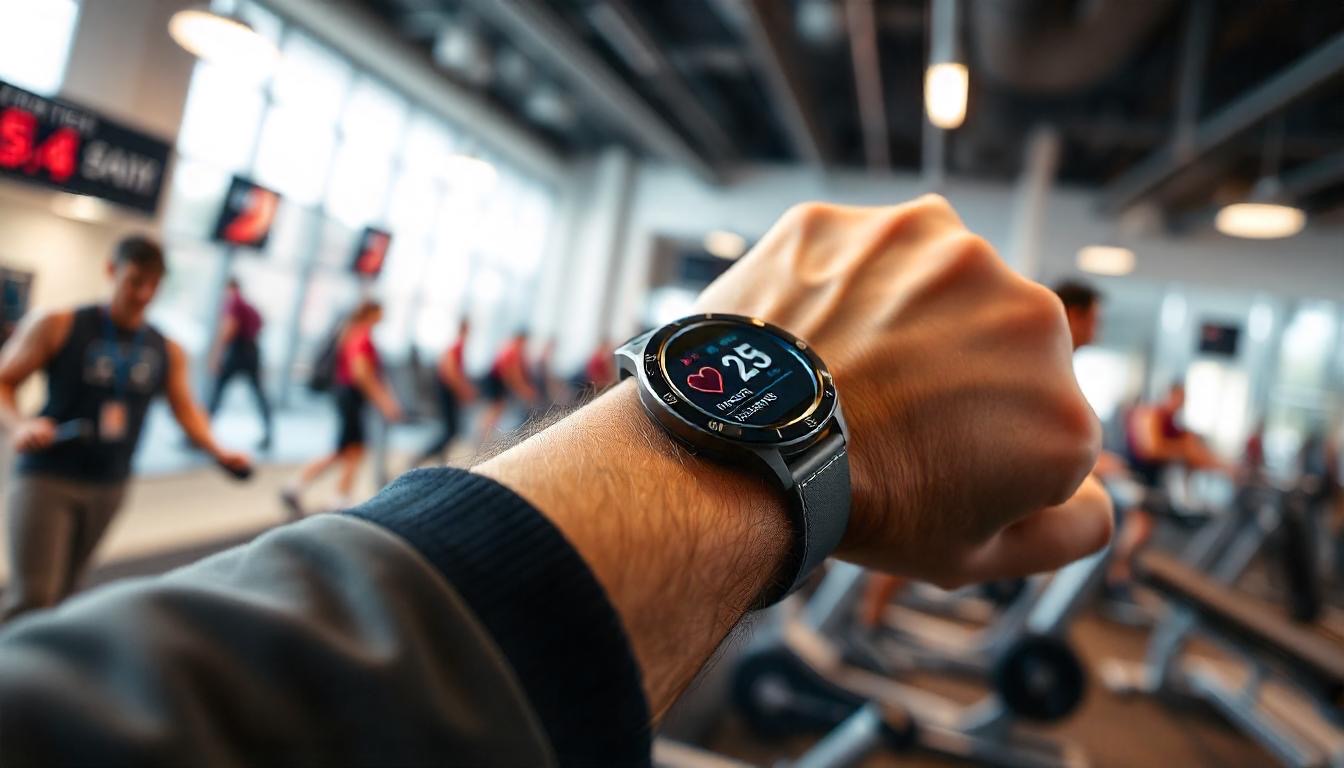
4. Integrated Wearables Ecosystems and IoT Connectivity
Wearables in 2025 are part of a broader ecosystem that includes other health and smart home devices. These devices use IoT connectivity to communicate with each other, allowing for seamless integration and a more comprehensive understanding of health data.
For example:
- Integration with Smart Home Devices: Wearables can connect with smart home devices to optimize living conditions for better health. A wearable might communicate with a smart thermostat to adjust the room temperature for optimal sleep or signal smart lighting to create a calming environment based on stress levels.
- Medical Devices and Telemedicine: Wearables can share data directly with healthcare providers, enabling remote patient monitoring and more accurate diagnosis. This connectivity has been essential for managing chronic conditions and supporting telemedicine, as healthcare providers can review real-time data from patients in remote locations.
5. Personalized Coaching and Virtual Health Assistants
In 2025, wearables offer virtual health coaching, using AI and data from previous health metrics to provide users with tailored advice and reminders for health management. These virtual health assistants can act as personal trainers, health advisors, and even mental health coaches.
For example:
- Virtual Personal Trainers: Based on fitness goals, wearables can recommend specific workout plans and even coach users through exercise routines, providing feedback on form and performance.
- Medication and Health Habit Reminders: Wearables can remind users to take medications, drink water, or move around if they’ve been sedentary for too long. These reminders help reinforce healthy habits and support individuals managing chronic conditions.
- Mental Health Check-Ins: Virtual health assistants can check in with users about their mood, encourage mindfulness practices, or suggest relaxation techniques to improve mental well-being.
6. Wearable Biosensors for Real-Time Health Monitoring
Wearable biosensors are another significant advancement in 2025, allowing wearables to track biochemical markers like lactate, glucose, and cortisol in real time. These biosensors provide continuous health monitoring, making it possible to detect imbalances and respond quickly.
For example:
- Lactate Monitoring for Athletes: Lactate levels indicate muscle fatigue and can help athletes optimize their training routines. Wearables with lactate sensors help athletes train efficiently by providing real-time insights into performance and recovery needs.
- Cortisol Tracking for Stress Management: Cortisol is a biomarker of stress. Wearable biosensors that track cortisol help individuals monitor their stress levels throughout the day and implement interventions to manage stress effectively.
Applications of Smart Wearables in Health and Fitness
With their versatile capabilities, smart wearables are transforming health and fitness across various domains:
1. Chronic Disease Management
For individuals with chronic diseases such as diabetes, heart disease, and hypertension, wearables offer continuous monitoring that enables better disease management. For instance, blood glucose monitors, ECG readings, and blood pressure tracking are invaluable for early detection of complications and avoiding hospital visits. Healthcare providers can remotely monitor patients with wearables, allowing for timely intervention if a patient’s health deteriorates. This capability is particularly beneficial for elderly individuals and those in remote locations where access to healthcare may be limited.
2. Sports and Fitness Optimization
Athletes and fitness enthusiasts use wearables to track performance, set goals, and optimize training routines. Advanced wearables provide detailed metrics like VO2 max, lactate threshold, and recovery time, helping athletes train smarter and reduce the risk of injury. In 2025, fitness wearables offer personalized coaching, helping users adjust workout intensity, duration, and recovery based on their unique physiology. For example, some wearables can provide real-time feedback on form and technique, making them an invaluable tool for improving performance in sports like running, cycling, and swimming.
3. Sleep and Recovery Monitoring
Wearables offer insights into sleep quality, cycles, and disruptions, which are essential for physical and mental recovery. In 2025, sleep tracking wearables provide highly detailed feedback on sleep patterns, suggesting personalized strategies to improve sleep hygiene. For individuals recovering from illness or intense physical exertion, wearables can track how the body responds to rest and recovery routines. Wearables also detect disturbances like sleep apnea, allowing users to seek timely medical intervention.
Challenges and Considerations
Despite the numerous advantages, there are challenges to the widespread adoption of smart wearables:
- Data Privacy: Wearable devices collect sensitive health data, raising concerns about user privacy. Ensuring that data is encrypted and that users have control over their information is critical.
- Battery Life: The power consumption of advanced sensors and AI algorithms can lead to reduced battery life, a limitation that manufacturers are working to address.
- Accuracy: While wearables provide useful insights, the accuracy of certain measurements may not always match medical-grade devices. Ensuring reliable readings, especially in critical health monitoring, is essential.
Conclusion: The Future of Wearables in Health and Fitness
As we move through 2025, smart wearables are poised to become even more sophisticated and indispensable tools for managing health and fitness. By offering real-time monitoring, personalized coaching, and early disease detection, wearables are enabling users to take proactive steps toward better health and well-being. Although challenges related to privacy, battery life, and accuracy remain, the potential benefits of wearables in healthcare and fitness are undeniable. With continuous advancements in sensor technology, AI, and data analytics, the future of smart wearables looks incredibly promising, making it an exciting area to watch for anyone looking to stay on top of their health and fitness goals.