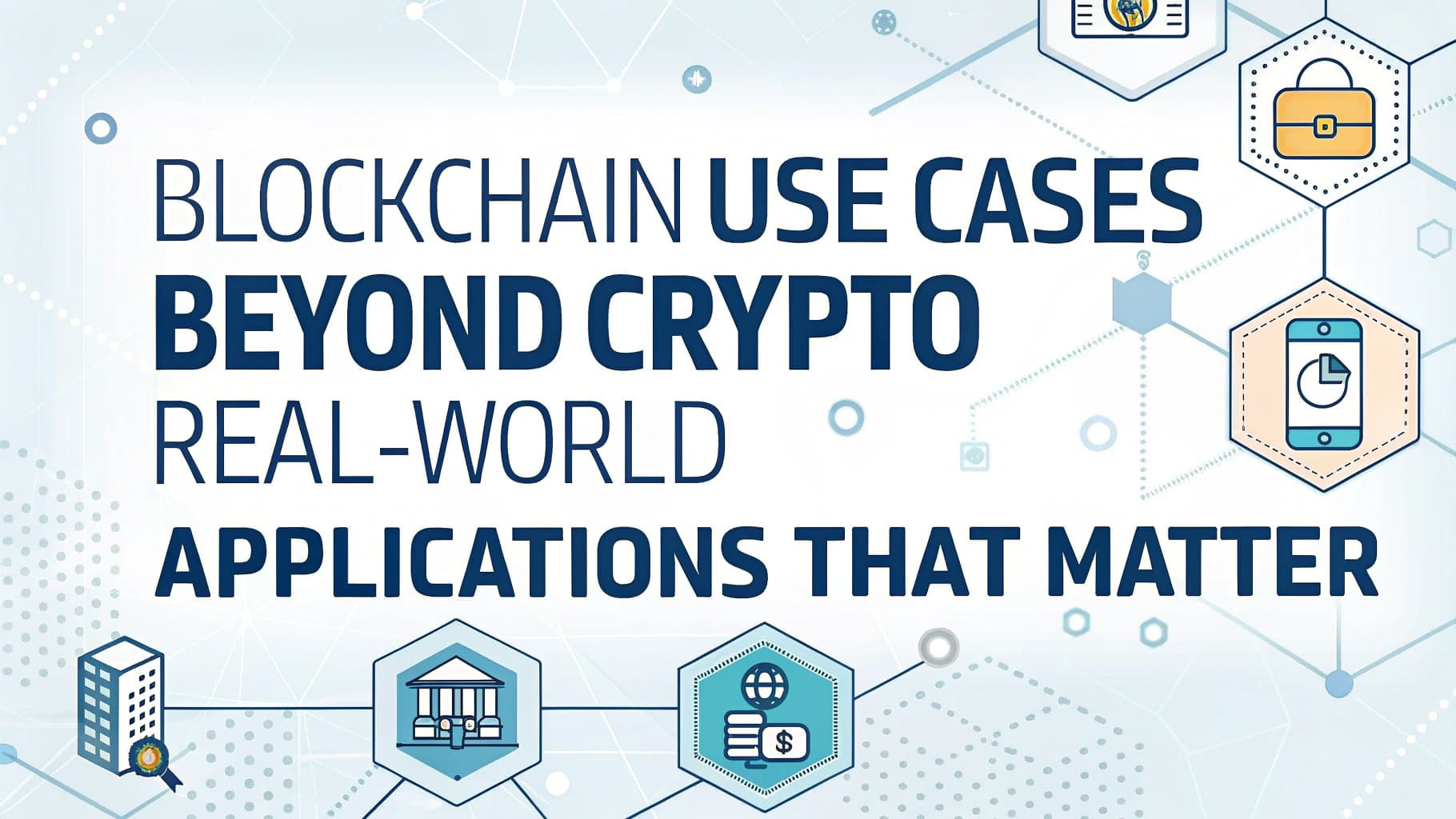
Blockchain Use Cases Beyond Crypto Real-World Applications That Matter
Blockchain Use Cases Beyond Crypto: Real-World Applications That Matter
By Dreams Lab
When most people hear “blockchain,” they immediately think of Bitcoin or cryptocurrency trading. But blockchain — the underlying technology — is far more than digital money. It’s a powerful, secure, and decentralized system that can transform entire industries.
At Dreams Lab, we believe in exploring emerging tech with local and global impact. In this blog, we’ll go beyond crypto and uncover real-world use cases of blockchain that are already reshaping how we handle trust, data, and transparency — from Pakistan’s logistics networks to global healthcare and education systems.
🔗 What Is Blockchain, Really?
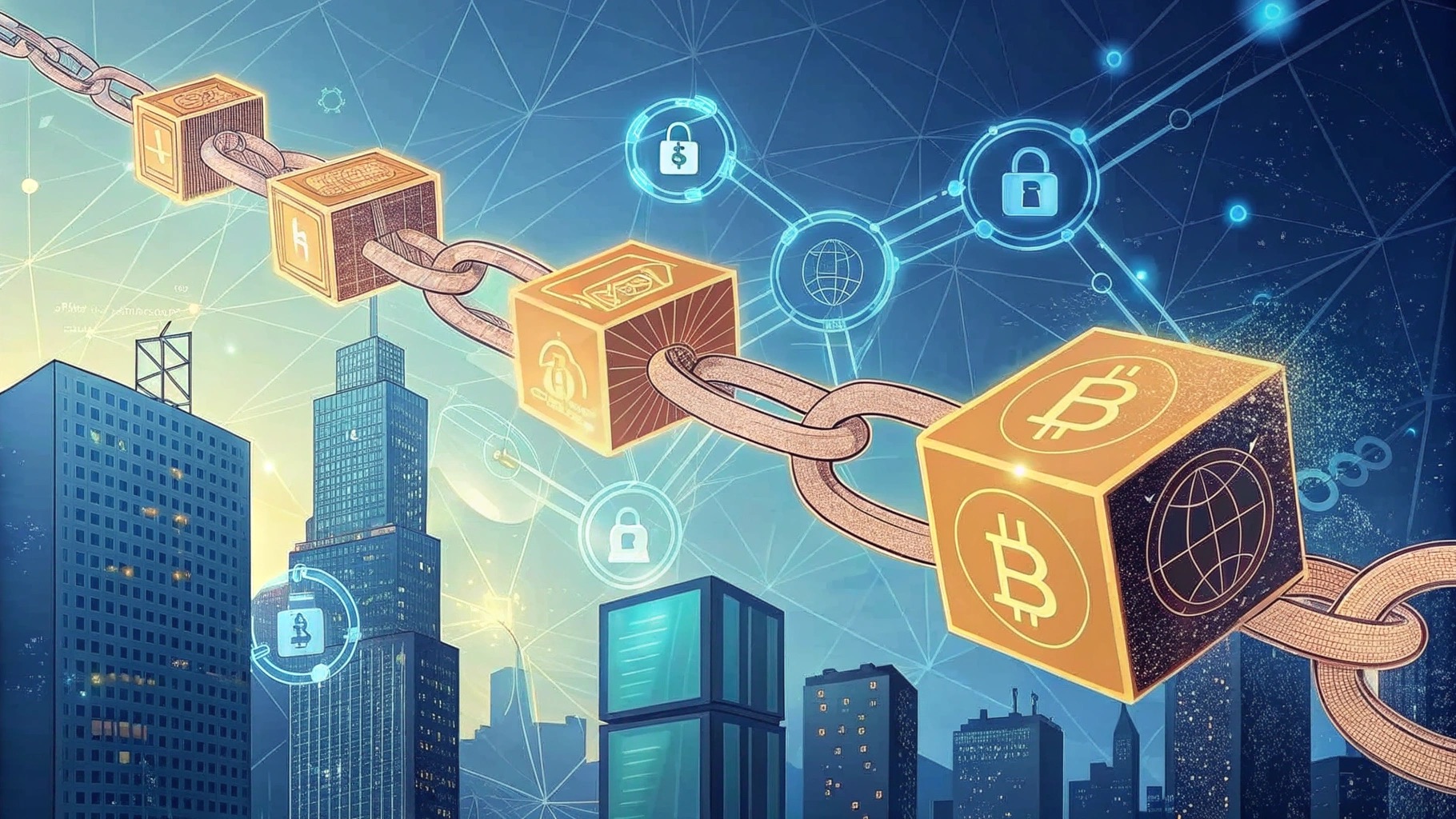
At its core, a blockchain is a decentralized digital ledger that stores records (blocks) across multiple computers (nodes) in a way that is:
- Tamper-proof
- Time-stamped
- Transparent
Every new record is verified through a consensus mechanism and permanently added to the chain — making it nearly impossible to alter past data.
✅ Transparency
✅ Security
✅ Decentralization
✅ Automation (via smart contracts)
📌 Blockchain isn’t just a financial tool — it’s an infrastructure for digital trust.
🌐 Blockchain in Action: Use Cases Beyond Cryptocurrency
1. Supply Chain Transparency & Traceability
One of the most mature applications of blockchain is in supply chain management. Every step of a product’s journey — from raw material to final sale — can be recorded on a blockchain, offering real-time, verifiable tracking.
Benefits:
- Reduce counterfeiting
- Ensure product authenticity (especially in pharma and luxury goods)
- Monitor temperature, location, or handling conditions for perishables
Real Example:
IBM Food Trust uses blockchain to track produce from farm to shelf.
Pakistani mango exporters could benefit by proving origin, pesticide use, and cold-chain integrity to international buyers.
📦 Blockchain = Digital trust in physical goods.
2. Digital Identity & Credentials
In countries like Pakistan, where ID verification can be inconsistent, blockchain offers a secure way to:
- Store personal identity on-chain
- Share verified credentials (education, licenses, medical history)
- Enable seamless KYC (Know Your Customer) for banks and telcos
Global Example:
Estonia has implemented blockchain-based digital identities for citizens.
UNHCR uses blockchain to deliver aid to refugees with verified identity.
📍 Pakistan can leverage this for e-voting, student credentials, or healthcare records.
3. Healthcare Records Management
Healthcare systems are fragmented, especially in emerging markets. Blockchain enables interoperable, secure, and permission-based access to patient records.
Use Cases:
- Patients own and control their health data
- Doctors access only with consent
- Track medication history, test results, and prescriptions securely
🩺 In rural clinics across Pakistan, this could bridge the gap between disconnected systems and improve care.
4. Voting & E-Governance
Blockchain-based voting can:
- Prevent voter fraud
- Increase transparency
- Enable remote, tamper-proof voting
Use Case: Smart contracts ensure that votes are counted accurately, and the process is audit-ready.
🎯 For Pakistan, blockchain could modernize:
- Union elections
- University student councils
- Transparent civic decision-making at the local level
5. Intellectual Property & Digital Rights
Artists, photographers, writers, and musicians often struggle to prove ownership and get paid fairly.
Blockchain provides:
- Immutable proof of creation date
- Transparent royalty tracking via smart contracts
- Global marketplaces without intermediaries
🎨 Combine this with NFTs and Pakistani creators can protect their digital work globally.
6. Land and Property Registries
In countries with unreliable land records (including Pakistan), blockchain can digitize and secure ownership records.
Benefits:
- Eliminate fake documents
- Reduce land disputes
- Allow fractional or tokenized ownership (real estate investment)
🧱 Several developing nations are piloting this — and Pakistan could be next with blockchain-backed cadastral maps.
7. Cross-Border Payments & Remittances
While crypto gets banned or debated, the underlying blockchain remains ideal for:
- Fast, low-cost international money transfers
- Real-time settlement and verification
- Audit-ready transactions without middlemen
💸 For Pakistan — where remittances make up over $30B annually — blockchain-based rails can:
- Reduce fees
- Speed up delivery
- Improve financial transparency
Note: This doesn’t mean using volatile coins; stablecoins or CBDCs are potential solutions.
8. Loyalty Programs & Tokenization
Retailers and service providers can use blockchain to:
- Create token-based rewards (e.g., air miles, shopping points)
- Allow users to trade or redeem across platforms
- Prevent fraud and double-spending of rewards
📲 A coffee chain in Islamabad could issue tokens redeemable across franchises, backed by a smart contract. Imagine a national, interoperable loyalty system!
9. Energy Trading & Green Power
With the rise of solar energy and microgrids, blockchain enables:
- Peer-to-peer (P2P) energy trading (e.g., buy extra electricity from your neighbor)
- Track renewable energy credits
- Automate pricing and usage
🌱 In cities like Lahore or Karachi, this could empower households and reduce grid pressure.
10. Education & Certifications
Diplomas and degrees are easy to fake. Blockchain can store:
- Degree certificates
- Short-course completions
- Exam results
All verifiable in seconds — ideal for:
- Employers
- Universities
- Government hiring panels
📘 EdTech startups in Pakistan can adopt blockchain to build trust in skills and credentials.
📌 Local Implementation Challenges
Despite the potential, adoption in Pakistan faces several hurdles:
⚖️ Legal & Regulatory Ambiguity
While crypto is banned, blockchain is not illegal — but laws are unclear. Businesses need:
- Clarity on taxation
- Data protection laws
- Guidelines for smart contract enforceability
🔌 Infrastructure & Awareness
- Many firms lack blockchain-ready tech stacks.
- Public and private sector decision-makers need training on use cases, not hype.
🔐 Security and Smart Contract Risks
Bad code = bad outcomes. Smart contracts need:
- Rigorous audits
- Fail-safes
- Clear recourse in case of bugs or misuse
🧠 How Dreams Lab Supports Blockchain Integration
At Dreams Lab, we help:
- Identify blockchain use cases that fit your business model
- Build MVPs and smart contract-based systems
- Connect with global blockchain frameworks (Ethereum, Hyperledger, etc.)
- Offer local regulatory consultation and secure deployment strategies
We believe blockchain isn’t just about crypto — it’s about building trust in a digital world.
Final Thoughts
Blockchain is quietly — and powerfully — transforming systems that touch our lives every day. From transparent supply chains to automated insurance, from verified IDs to borderless education — this technology is redefining what it means to trust, verify, and transact.
In Pakistan, with its large youth population, rising internet penetration, and push for digital transformation, blockchain is a once-in-a-generation opportunity.
It’s time to look beyond the coin — and start building with the chain.
🚀 Ready to Explore Blockchain for Your Business?
Let Dreams Lab help you:
- Evaluate your use case
- Design your blockchain strategy
- Launch your pilot smart contract or DApp
📧 hello@dreamslab.pk | 🔗 dreamslab.pk
💬 LinkedIn: @DreamsLab | 📱 Instagram: @dreamslab.pk